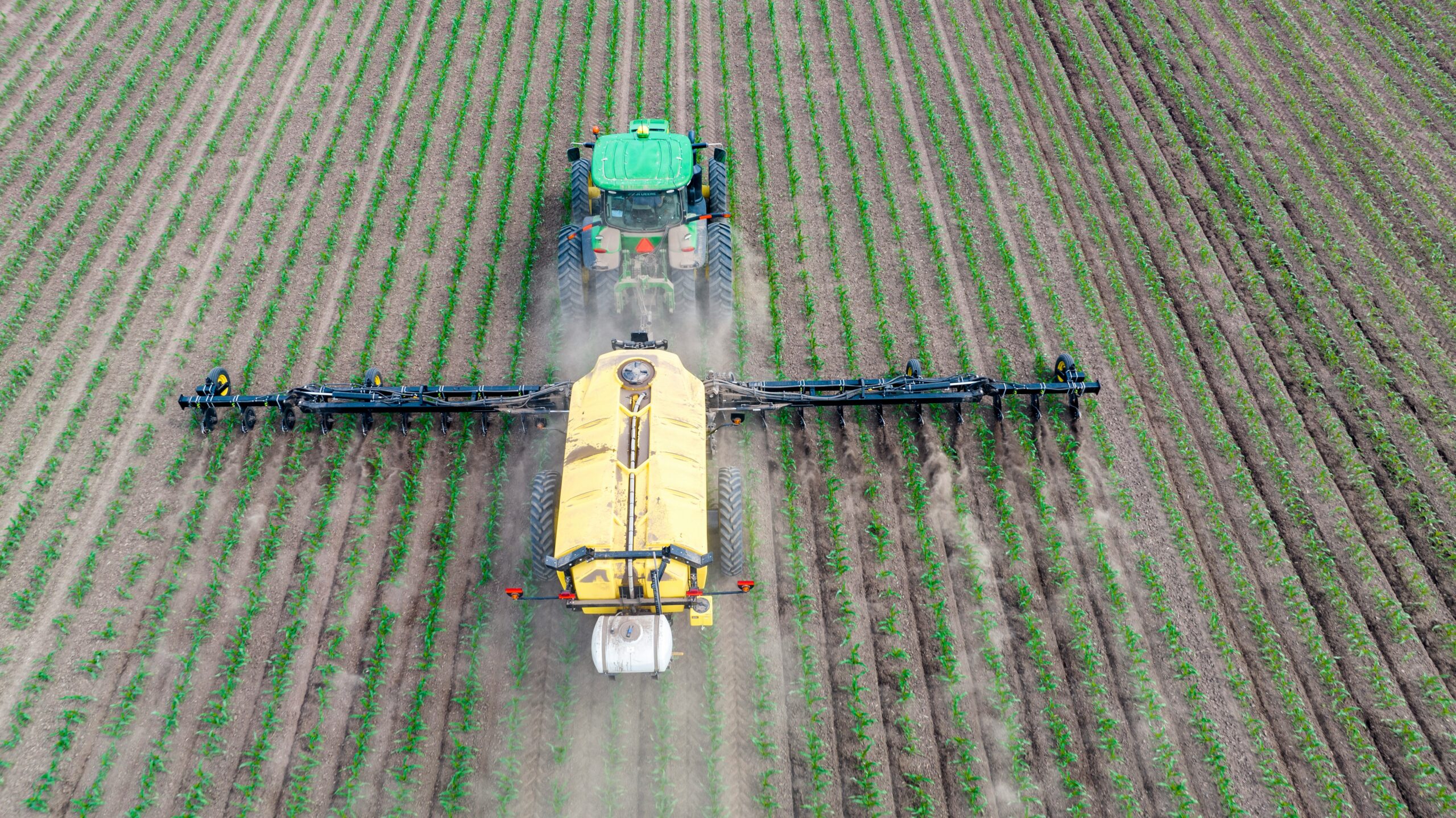
Agriculture continues to evolve as farmers seek better ways to grow food, conserve resources, and manage rising costs. Today, Digital Agriculture gives farmers new tools to meet these goals. Sensors, drones, smart machinery, farm software, artificial intelligence, and data systems can improve many parts of farming. These technologies give farmers useful information about crops, soil, water, weather, livestock, and equipment. Therefore, farmers can make better choices and respond to problems faster. At the same time, digital tools can reduce waste and support stronger production. Traditional farming skills still matter, but technology adds another level of knowledge. As farms face labor shortages, weather risks, and growing food demand, digital tools can help create smarter, more productive agricultural systems.
Understanding the Growth of Digital Agriculture
Digital Agriculture combines farming knowledge with modern technology. Farmers use connected tools to collect, study, and apply information across their operations. For example, sensors can track soil moisture, while digital weather tools can provide local forecasts. Farm software can then bring this information together.
As a result, farmers gain a clearer view of their land and daily operations. They can find areas that need attention and act before small issues become costly problems. Moreover, digital systems help farmers plan future work with greater confidence. Technology does not remove the farmer from the decision process. Instead, it gives farmers more useful information for each choice.
Smart Farming Technology Improves Daily Decisions
Farmers make important decisions every day. They choose when to plant, irrigate, fertilize, spray, and harvest crops. In the past, farmers often based these choices mainly on experience and field checks. Today, smart farming technology adds accurate data to the process.
For instance, a farmer can check soil conditions before starting irrigation. Weather information can also help determine the best time for fieldwork. Therefore, farmers can avoid unnecessary tasks and use their time more wisely. In addition, better decisions can lower costs and improve crop quality. Digital tools make farm planning more precise without removing the value of human experience.
Precision Agriculture Makes Fields More Productive
Not every section of a field has the same conditions. Some areas may contain more moisture, while others may need additional nutrients. Because of these differences, applying the same amount of water or fertilizer everywhere may create waste.
Precision agriculture helps solve this problem. Farmers can use GPS tools, sensors, maps, and field data to understand each area better. Then, they can direct resources toward the places that need them. Consequently, crops receive more suitable care. Farmers may also reduce input costs while improving overall farm productivity.
Digital Irrigation Helps Farmers Save Water
Water remains one of the most valuable resources in farming. However, fixed irrigation schedules may not always match actual crop needs. Excessive watering can waste water and energy, while too little water can affect plant growth.
Digital irrigation systems offer a smarter approach. They can use soil data and weather information to guide watering decisions. As conditions change, farmers can adjust their irrigation plans. Consequently, they can use water more carefully while supporting healthy crops. Efficient irrigation also helps farms prepare for periods when water supplies become limited.
Farm Data Creates Better Planning Opportunities
Modern farms can produce large amounts of information. Machinery can record work activity, while sensors can measure field conditions. Meanwhile, digital platforms can track expenses, crop treatments, harvest results, and other useful details.
Farmers can use this information to understand patterns across different seasons. For example, they may discover that one planting method works better under certain conditions. Therefore, farm data becomes a valuable planning tool. Instead of making every decision from memory, farmers can compare results and improve their methods over time.
Smart Sensors Provide Useful Field Insights
Smart sensors allow farmers to monitor fields throughout the day. These devices can measure soil moisture, temperature, humidity, and other conditions that influence crop growth. As a result, farmers do not need to rely only on visible signs of change.
Early information can make a major difference. If sensors show that soil moisture has dropped, farmers can check the area and decide whether irrigation is necessary. Likewise, unusual readings may encourage closer inspection. Therefore, sensors help farmers focus their attention where it provides the greatest value.
Agricultural Drones Improve Crop Monitoring
Large farms can take a long time to inspect on foot. In addition, farmers may not easily notice some crop problems until they become serious. Agricultural drones can help by providing detailed aerial views.
Drone images can show uneven crop growth, dry areas, pest activity, or other signs that require attention. Farmers can then visit those locations directly. As a result, they spend less time searching for problems. Furthermore, earlier detection can help farmers take action before an issue affects a larger part of the field.
Artificial Intelligence Supports Smarter Agriculture
Artificial intelligence can quickly analyze large amounts of agricultural data. It can review crop images, weather information, soil readings, and production records. Then, AI tools can find patterns that may help farmers understand current conditions.
For example, digital systems may help identify plant stress or estimate future crop performance. However, farmers still need to review the information and make the final choice. Local knowledge remains essential because every farm has different conditions. Therefore, AI provides the most value when it supports farmer experience rather than trying to replace it.
Automation Makes Farm Work More Efficient
Many agricultural tasks require repeated physical work. Planting, spraying, feeding, irrigation, and harvesting can take significant time. Automated systems can help farmers complete some of these activities with greater accuracy and consistency.
Automation can also give farm workers more time for tasks that require judgment. For instance, workers can focus on equipment maintenance, crop planning, quality checks, and problem-solving. As a result, farms can use labor more efficiently. At the same time, workers can develop new technical skills that support modern farming solutions.