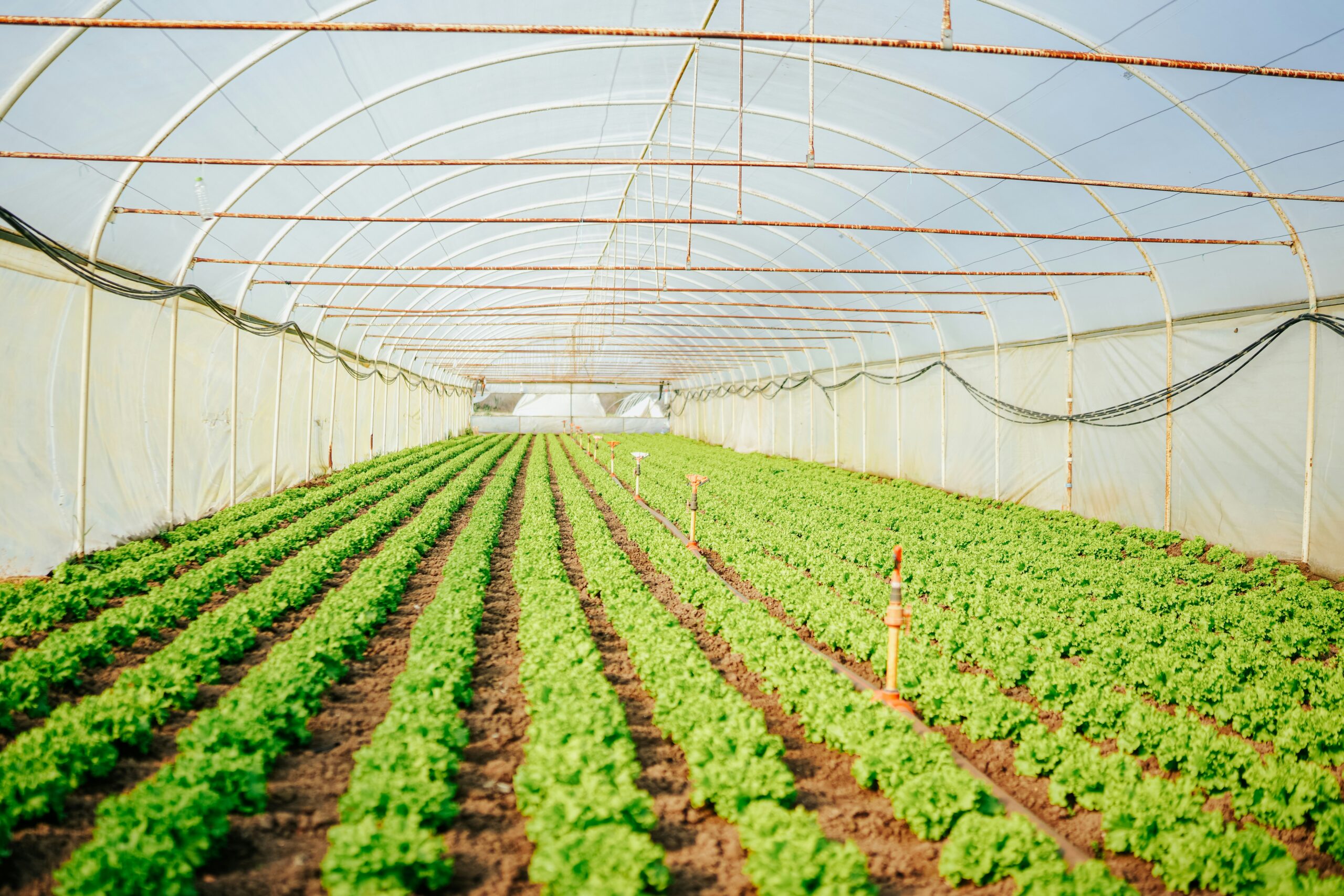
Farming has always been closely connected to human survival, but the future of agriculture faces challenges that demand new ideas. A growing population, changing weather patterns, limited natural resources, soil degradation, and rising food demand are putting pressure on farmers around the world. Sustainable farming offers a practical path forward by combining modern technology with responsible land management. By growing smarter, farmers can produce healthy food while protecting the natural resources needed for future generations.
What Is Sustainable Farming?
Sustainable farming is an approach to agriculture that focuses on producing food while protecting soil, water, biodiversity, and other natural resources. Instead of depending heavily on practices that may damage the environment over time, sustainable agriculture aims to create healthy and productive farming systems that can continue for many years.
This approach can include crop rotation, composting, responsible water use, reduced chemical applications, cover crops, integrated pest management, and careful soil management. The goal is not simply to grow more food today but to maintain the health of farmland so it remains productive tomorrow.
Why Farming Needs to Change
Traditional farming methods have helped increase food production, but some practices can place significant pressure on the environment. Excessive water use can reduce available supplies, while repeated planting of the same crop can weaken soil health. Heavy dependence on certain fertilizers and pesticides can also affect ecosystems when they are poorly managed.
Climate change adds another layer of difficulty. Farmers may face unpredictable rainfall, longer periods of extreme heat, flooding, drought, and changing growing seasons. These conditions can make it harder to plan crops and protect harvests.
Sustainable farming can help farmers become more prepared for these challenges. Healthy soil can hold water more effectively, diverse crops can reduce certain risks, and efficient irrigation can help conserve valuable resources.
Technology Is Making Farming Smarter
Modern technology is changing how farmers understand and manage their fields. Precision agriculture allows farmers to collect information about soil conditions, moisture levels, crop growth, and weather patterns. Sensors, satellite imagery, drones, and farm management software can provide useful information that supports better decisions.
Instead of treating an entire field in exactly the same way, farmers can identify areas that need more water, nutrients, or attention. This can reduce waste and improve efficiency. Automated equipment can also help farmers perform certain tasks with greater accuracy.
Artificial intelligence and data analysis are becoming increasingly useful in agriculture as well. These tools can help identify crop problems, monitor field conditions, and support decisions about planting and harvesting. Technology does not replace farmers, but it can give them better information to work with.
Healthy Soil Supports Sustainable Agriculture
Soil is one of the most important resources in farming. Healthy soil provides nutrients to plants, stores water, supports microorganisms, and helps crops develop strong root systems. When soil becomes depleted or eroded, agricultural productivity can decline.
Farmers can protect soil health through practices such as cover cropping, crop rotation, reduced tillage, and the use of organic materials. Cover crops can protect the soil between growing seasons, while crop rotation can improve soil conditions and interrupt some pest and disease cycles.
Building healthy soil takes time, but the benefits can extend across many growing seasons. Strong soil management can also improve resilience when weather conditions become difficult.
Saving Water Through Better Practices
Water is essential for agriculture, yet many farming regions face increasing water shortages. Sustainable water management focuses on using water efficiently while giving crops the moisture they need.
Drip irrigation, soil moisture sensors, rainwater collection, and improved irrigation scheduling can help reduce unnecessary water use. Farmers can also choose crops that are better suited to local climate conditions. Small improvements in water management can make a meaningful difference when applied across large agricultural areas.
Supporting Farmers and Communities
Sustainable farming is not only an environmental issue. It is also an economic and social concern. Farmers need reliable income, access to markets, affordable technology, education, and practical resources to adopt new methods.
When sustainable practices reduce input costs, protect yields, or improve long-term soil productivity, they can support farm stability. Local communities can also benefit when farms remain productive and create dependable employment and food supplies.
Education and cooperation are especially important. Farmers can learn from research, local experience, and one another. Programs that make sustainable tools and knowledge more accessible can help more agricultural communities adapt to changing conditions.
Building a Resilient Food Future
The future of farming will require a balance between productivity and environmental responsibility. Sustainable agriculture does not mean abandoning modern farming. Instead, it means using knowledge, technology, and natural resources more carefully.
As farmers face a changing climate and growing food demand, smarter decisions can help create stronger agricultural systems. Protecting soil, conserving water, supporting biodiversity, and using technology wisely can improve both farm efficiency and long-term resilience.
Growing smarter is ultimately about thinking beyond a single harvest. The food produced today depends on the land, water, knowledge, and communities that will support agriculture in the future. By investing in sustainable farming practices now, society can move toward a food system that is productive, adaptable, and capable of meeting future needs without exhausting the resources on which farming depends.