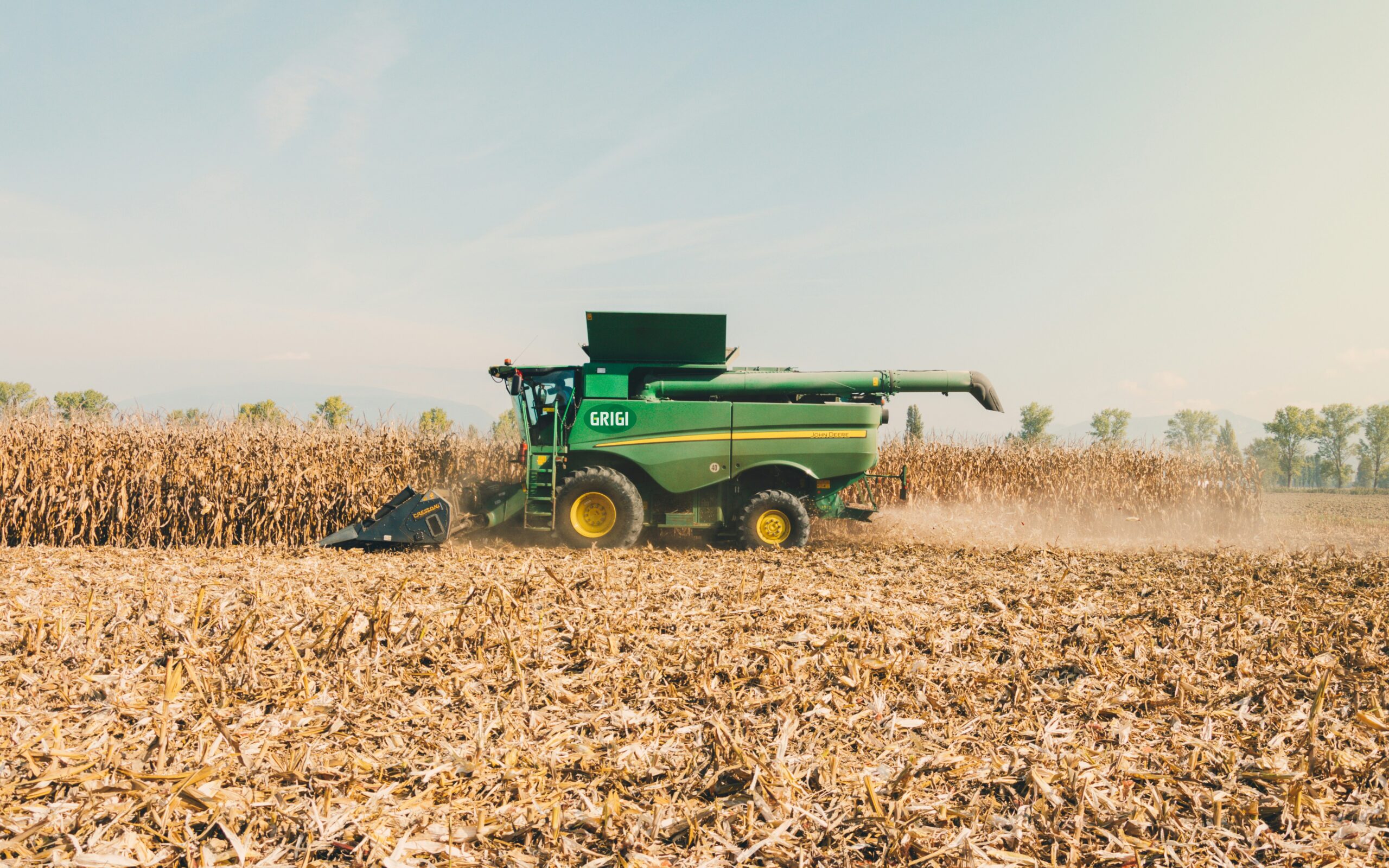
Harvest season represents months of hard work, planning, and dedication from farmers. However, collecting crops from the field is only the beginning of the journey. Grain requires careful protection after harvest because poor storage conditions can reduce quality, create waste, and cause financial losses. Therefore, modern agriculture focuses not only on growing more grain but also on preserving every valuable portion of the harvest.
Today, farmers use advanced techniques and improved technologies to protect grain from environmental damage, pests, and quality problems. Smart grain preservation methods help create safer storage environments while improving efficiency and reducing waste. As agriculture continues to develop, better preservation strategies are becoming essential for maintaining a stable food supply and supporting farmers around the world.
Understanding the Challenges of Grain Preservation
Grain preservation involves protecting harvested crops from conditions that can reduce their quality. After harvesting, grain remains sensitive to moisture, temperature changes, insects, and poor handling. Therefore, farmers must carefully manage storage conditions to keep grain safe and valuable for longer periods.
Moreover, grain losses after harvest can affect both farmers and consumers. When stored grain becomes damaged, farmers lose income, and communities may experience reduced food availability. For example, poor storage practices can create problems that are difficult and expensive to repair. As a result, effective preservation methods have become a major focus in modern agriculture.
Modern Storage Systems Are Improving Harvest Protection
Traditional storage methods have supported farmers for generations, but modern challenges require stronger solutions. Today’s storage systems provide better protection through improved designs and advanced features. Therefore, farmers can create controlled environments that reduce risks and maintain grain quality.
In addition, modern storage facilities help farmers manage larger harvest volumes with greater efficiency. These systems provide better protection against environmental changes and storage-related problems. Consequently, farmers can preserve more grain and improve their overall productivity. Advanced storage structures have become a valuable part of successful agricultural management.
The Importance of Moisture Control in Grain Safety
Moisture management is one of the most important factors in grain preservation. Excess moisture can encourage mold growth, reduce quality, and create unsafe storage conditions. Therefore, farmers must monitor and control moisture levels carefully before and during storage.
Furthermore, modern drying equipment helps farmers prepare grain for safe storage. These systems remove unwanted moisture and create more stable conditions for long-term preservation. As a result, farmers can reduce spoilage risks and maintain better grain quality. Proper moisture control provides a strong foundation for effective harvest protection.
Digital Monitoring Creates Smarter Storage Decisions
Technology has changed how farmers manage stored grain. Digital monitoring systems allow farmers to track storage conditions and receive important updates quickly. Therefore, farmers can identify changes in temperature, humidity, and grain conditions before problems become serious.
Moreover, digital tools reduce the need for constant manual checking. Farmers can use technology to improve accuracy and save time during storage management. For instance, automated systems can alert farmers when storage conditions require attention. As a result, digital monitoring helps farmers protect their harvest with greater confidence and efficiency.
Temperature Management Supports Long-Term Quality
Temperature control plays a major role in maintaining grain quality during storage. Changes in temperature can create conditions that encourage spoilage and pest activity. Therefore, farmers use ventilation systems and monitoring tools to maintain stable storage environments.
Additionally, proper temperature management helps extend the usable life of stored grain. When farmers maintain suitable conditions, grain can remain in better condition for longer periods. Consequently, temperature control reduces waste and supports better market opportunities. Managing storage temperatures effectively is a key part of modern preservation strategies.
Protecting Grain From Insects and Other Risks
Stored grain can attract insects and other unwanted organisms if farmers do not use proper protection methods. These pests can damage large amounts of grain and reduce its market value. Therefore, farmers must maintain clean storage areas and follow effective prevention practices.
Furthermore, regular inspection helps farmers identify early signs of pest problems. Early action can prevent small issues from becoming major losses. As a result, careful monitoring and responsible management help maintain grain safety. Protecting stored crops requires consistent attention throughout the storage period.
Sustainable Grain Storage Practices Reduce Waste
Sustainability is becoming increasingly important in agriculture, and grain storage is part of this movement. Farmers now look for methods that protect harvests while using fewer resources. Therefore, sustainable storage practices help reduce waste and improve overall agricultural efficiency.
Moreover, reducing grain losses supports environmental protection because fewer resources are wasted during production. When farmers preserve more of their harvest, they use land, water, and energy more effectively. Consequently, sustainable preservation creates benefits for farmers, consumers, and the environment. Smart storage practices contribute to a more responsible food system.
The Role of Training in Better Grain Management
Technology alone cannot guarantee successful grain preservation. Farmers also need knowledge and training to use storage systems effectively. Therefore, education plays an important role in helping farmers understand modern preservation techniques and management practices.
In addition, agricultural experts and organizations can provide valuable support through training programs and guidance. When farmers understand how to monitor and maintain storage conditions, they can achieve better results. Consequently, farmer education strengthens agricultural communities and improves overall harvest protection. Knowledge remains one of the most powerful tools for successful grain preservation.
Improving Supply Chains Through Better Preservation
Effective grain preservation benefits more than individual farms. It also strengthens the entire agricultural supply chain by reducing losses between production and consumption. Therefore, better storage methods help create a more reliable connection between farmers, markets, and consumers.
Furthermore, improved preservation allows grain to remain available during periods when fresh harvests are limited. This stability supports food security and helps communities maintain consistent supplies. As a result, advanced grain storage practices contribute to a stronger and more dependable food system.
Future Innovations in Grain Preservation
The future of grain preservation will continue to depend on technology, research, and sustainable thinking. New solutions will help farmers improve storage efficiency and respond to changing agricultural challenges. Therefore, innovation will remain an important part of protecting global food supplies.
Moreover, future storage systems will likely focus on automation, improved monitoring, and environmentally responsible practices. Farmers will continue adopting tools that help them reduce losses and improve quality. As a result, grain preservation will become smarter, more efficient, and better prepared for future demands.