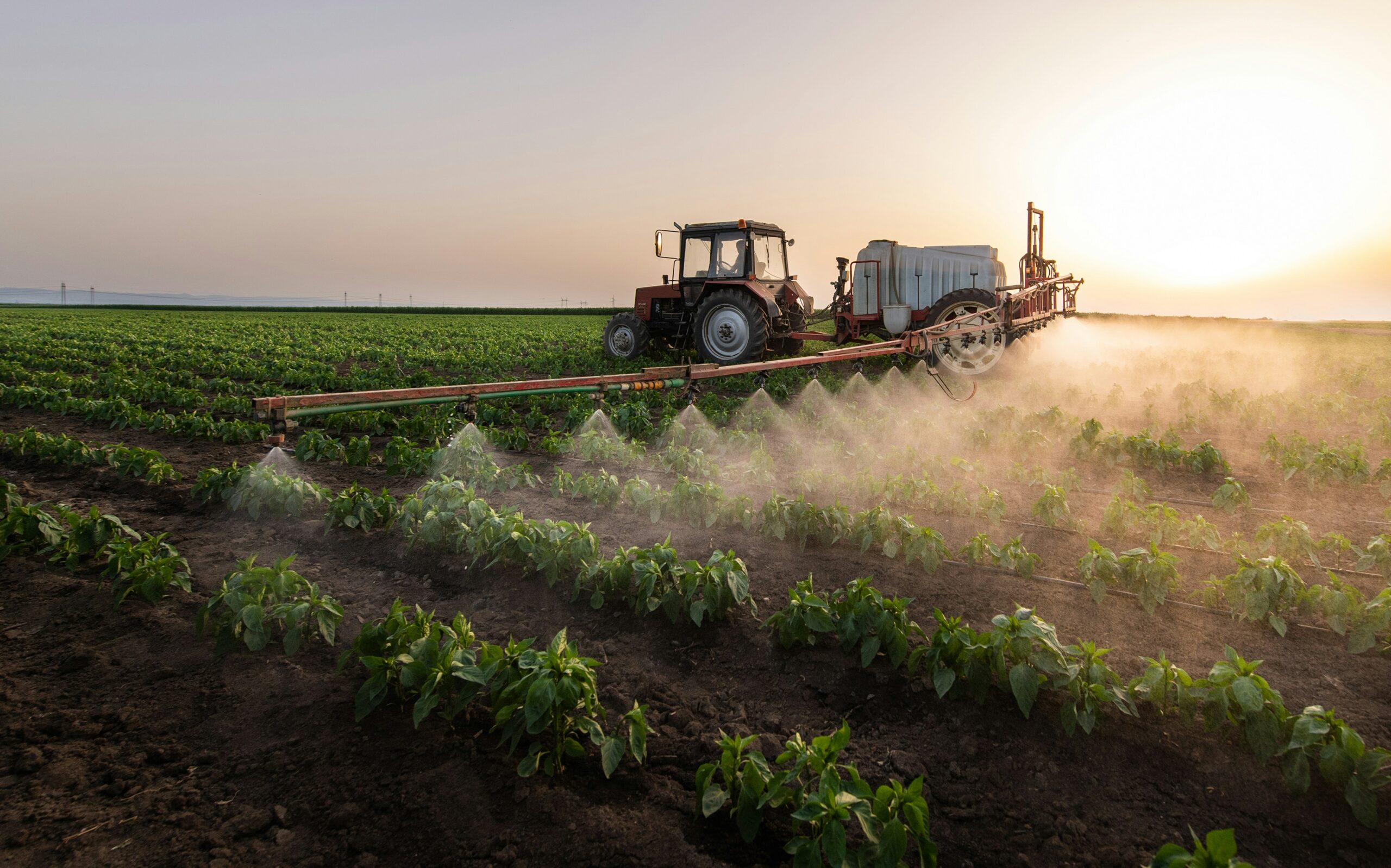
Farming has always required flexibility because weather patterns, market demands, and environmental conditions keep changing. Today, modern farmers face new challenges, including unpredictable climates, rising costs, and limited natural resources. Sustainable agriculture helps farmers adapt to change by encouraging smarter decisions, better resource use, and stronger long-term planning.
Through improved farming methods, technology, and environmental care, farmers can protect their land while creating reliable production systems. Sustainable approaches help modern farms stay productive and prepared for future challenges.
Building Stronger Farms Through Better Resource Management
Farmers depend on natural resources such as water, soil, and energy to maintain successful operations. However, these resources can become limited when they are not managed carefully. Sustainable farming practices help farmers use resources more efficiently while reducing unnecessary waste. For example, improved irrigation methods allow farmers to provide crops with the right amount of water instead of using excessive amounts.
Moreover, resource management helps farmers prepare for uncertain conditions. When farmers protect soil quality and manage water supplies wisely, their farms become more stable during difficult seasons. As a result, many producers now focus on methods that support both productivity and environmental responsibility. These strategies create stronger farm systems that can handle changes without losing efficiency.
Improving Soil Health for Long-Term Agricultural Success
Healthy soil plays an important role in successful farming because it supports crop growth and protects natural ecosystems. Farmers who improve soil health can increase productivity while reducing dependence on harmful inputs. Practices such as crop rotation, composting, and cover cropping help maintain valuable nutrients in the ground.
Strong soil management also lays the foundation for future farming success. When farmers protect their land, they reduce the risk of erosion and nutrient loss. As a result, farms can continue producing quality crops for many years. Therefore, focusing on soil health helps farmers build more resilient operations that adapt better to environmental changes.
Adapting to Climate Challenges With Flexible Farming Methods
Climate change creates uncertainty for farmers because temperature shifts, extreme weather, and changing rainfall patterns can affect crop production. However, flexible farming methods help producers manage these risks. Farmers can choose stronger crop varieties, adjust planting schedules, and improve land management practices.
Additionally, climate-smart farming encourages farmers to plan rather than react after problems occur. By studying weather patterns and using improved techniques, farmers can reduce potential losses. As a result, they can protect their income and continue supplying food to communities. These approaches create more dependable farming systems in a changing world.
Using Technology to Create Smarter Farming Systems
Technology has changed the way farmers understand and manage their fields. Powerful tools such as sensors, satellite systems, and data analysis platforms help farmers make better decisions. For instance, farmers can monitor soil conditions, track crop health, and identify problems before they become serious.
In addition, digital farming solutions help reduce waste and improve efficiency. Farmers can use accurate information to apply water, fertilizer, and other resources only when needed. As a result, they can increase productivity while controlling expenses. Moreover, agricultural innovation gives farmers more control over their operations and helps them prepare for future challenges.
Reducing Waste and Increasing Farm Efficiency
Waste reduction is an important part of creating efficient agricultural systems. Farmers can lose valuable resources through poor planning, excessive inputs, and ineffective production methods. Sustainable farming practices help identify areas where improvements can reduce unnecessary losses.
Moreover, reducing waste supports both environmental and financial goals. When farmers use fewer resources while maintaining production levels, they improve overall efficiency. Therefore, waste management becomes a valuable strategy for building stronger farms. These improvements help farmers create operations that are more responsible, productive, and prepared for future demands.
Supporting Economic Stability for Farming Communities
Farmers need profitable operations to continue producing food and supporting local economies. Sustainable methods can help reduce operating expenses by improving resource use and lowering waste. Furthermore, consumers increasingly value responsibly produced food, which creates new opportunities for farmers who follow sustainable practices.
In addition, stable farming operations benefit entire communities. When farmers maintain healthy businesses, they create employment opportunities and contribute to local economic growth. As a result, sustainable farming supports more than individual producers. It strengthens the connection between environmental protection, economic success, and community development.
Creating Resilient Farms for a Changing World
Modern farmers must respond to many changes, including environmental pressures, economic shifts, and evolving consumer expectations. Sustainable approaches provide practical solutions that help farms remain flexible and productive. By combining smart technology, efficient resource use, and responsible land management, farmers can strengthen their operations.
Farmers who embrace sustainable strategies can build stronger systems that support both people and the planet. These practices encourage better decision-making and help reduce risks linked to future uncertainty. Moreover, they allow farms to continue growing while protecting valuable resources. As agriculture continues to evolve, sustainable methods will remain essential for creating a more adaptable and successful farming future.
Preparing Future Generations Through Responsible Farming
The future of farming depends on protecting natural resources while meeting growing food needs. Farmers who adopt responsible practices help preserve land for future generations. Moreover, sustainable methods teach younger farmers how to balance productivity with environmental care. Therefore, these approaches create a stronger foundation for long-term agricultural development.
Additionally, education and knowledge sharing help farming communities improve their methods. When experienced farmers share successful techniques, others can adopt better solutions. As a result, cooperation and innovation drive agricultural progress. These efforts ensure that future farmers have the tools needed to manage new challenges.