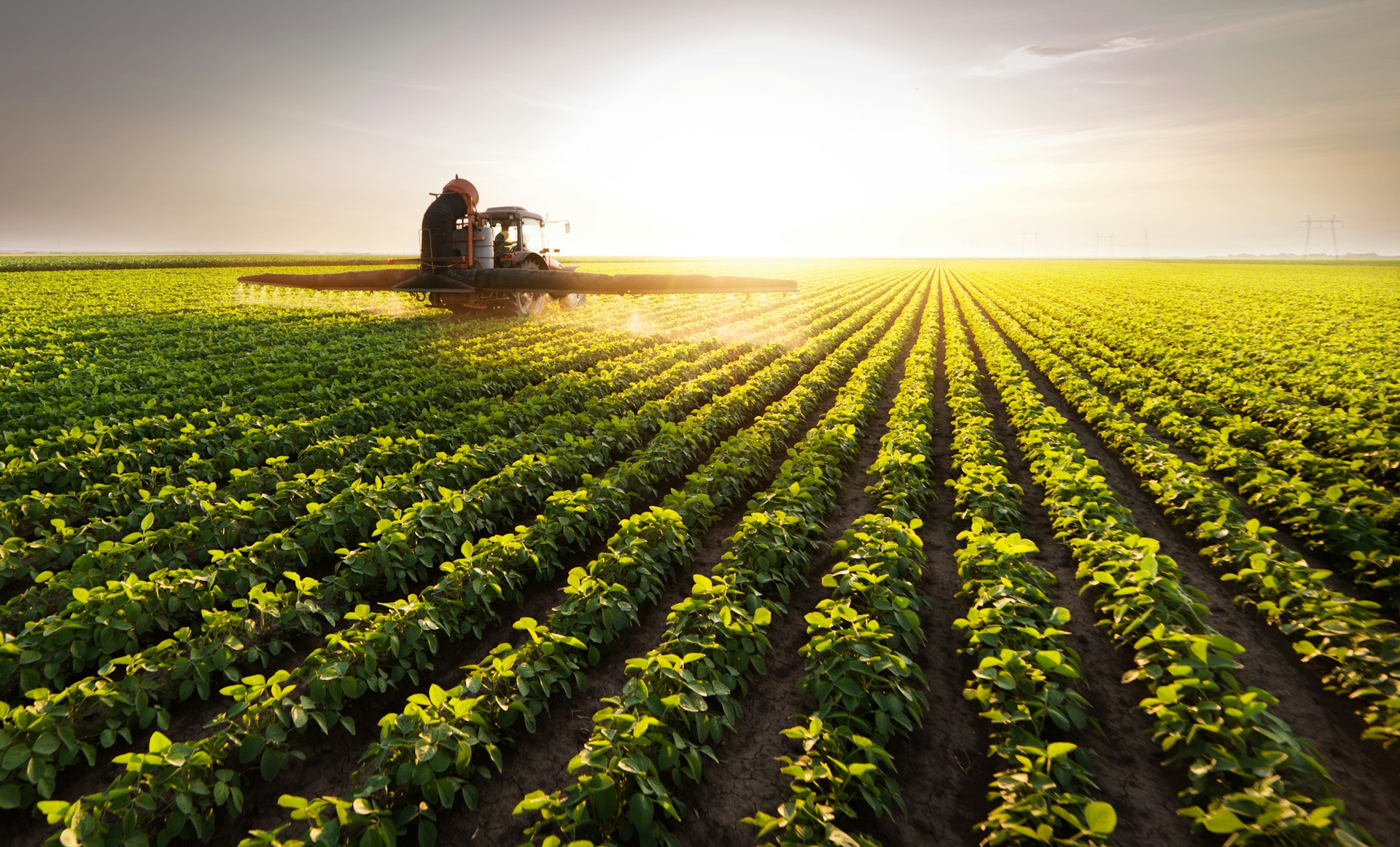
Farming succeeds when today’s choices also protect tomorrow’s opportunities. Weather shifts, higher input costs, water limits, and soil loss can place pressure on even well-managed farms. Because of this, growers need practical ways to build stability without making daily work harder. One useful approach is adaptive farming systems, which help farmers respond to change while protecting land, crops, and income.
Long-term sustainability does not depend on one major investment. Instead, farmers can make steady improvements across soil care, water use, crop planning, energy, technology, and finances. When these choices work together, they can reduce risk and improve efficiency. Most importantly, they can help farms stay productive for future generations.
Rebuild Soil Through Everyday Field Care
Healthy soil gives crops a strong foundation. It stores nutrients, supports roots, and holds moisture during dry periods. Therefore, farmers should treat soil care as a long-term investment rather than a seasonal task.
Adding compost and keeping crop residue on fields can raise organic matter over time. Cover crops can also protect bare ground between growing seasons. As a result, farms may experience less erosion and better water retention.
Crop rotation offers another simple strategy. Different crops use nutrients in different ways, so rotation can reduce soil stress. In addition, changing crops may interrupt pest and disease cycles that become stronger when the same crop grows repeatedly.
Farmers can also reduce unnecessary tillage. Heavy tilling may break soil structure and expose the surface to erosion. In contrast, reduced-till methods can help protect soil life while keeping valuable organic matter in place.
Make Every Drop of Water Count
Water can become one of the biggest limits on farm productivity. However, better planning can help farmers use available supplies more efficiently. Farmers should begin by understanding how much water each crop needs.
Drip irrigation can send moisture directly to roots, which reduces evaporation and runoff. Soil moisture sensors can also help farmers decide when irrigation is necessary. Therefore, growers can avoid watering based only on habit.
Weather forecasts can improve timing as well. If heavy rain is expected, farmers may delay irrigation and save both water and energy. In addition, repairing leaks in pumps, pipes, and hoses can prevent small losses from becoming costly problems.
Rainwater collection and farm ponds may provide extra storage where local rules allow them. Meanwhile, grassy areas around fields can slow runoff and encourage more water to enter the soil.
Spread Risk Through Smarter Crop Choices
Growing only one crop can make a farm more vulnerable to changing markets, insects, disease, or bad weather. Therefore, crop diversity can strengthen both production and income.
Farmers can choose crops that respond differently to heat, rainfall, and soil conditions. If one crop struggles during a difficult season, another may still perform well. As a result, the farm does not depend entirely on one harvest.
Variety selection also matters. Some crop varieties handle drought, heat, or disease better than others. However, farmers should test new varieties on smaller areas before making large changes.
Market research should guide every new crop decision. A crop may grow well but still fail financially if buyers are limited. Therefore, farmers should study local demand, storage needs, transport costs, and expected prices before expanding production.
Lower Costs by Using Inputs Wisely
Farmers spend heavily on fertilizer, fuel, seed, pesticides, and other supplies. Consequently, reducing unnecessary use can improve both sustainability and farm income.
Soil testing helps farmers apply nutrients where they are actually needed. Likewise, accurate field records can reveal areas that receive too much fertilizer or crop treatment. Better information can prevent waste without reducing production.
Precision equipment can also improve application accuracy. GPS guidance and mapping tools may reduce overlap across fields. In the same way, low-input crop planning can combine rotation, compost, targeted fertilizer use, and natural pest control to lower dependence on expensive products.
Equipment efficiency also affects costs. Farmers who maintain engines, pumps, tires, and filters can reduce fuel use and prevent breakdowns. Regular maintenance often costs less than emergency repairs during busy seasons.
Select Technology That Solves Real Problems
Farm technology continues to improve, but not every new tool is useful for every operation. Therefore, farmers should start with a clear problem before buying equipment or software.
For example, moisture sensors can improve irrigation decisions. Satellite images may highlight areas with weak crop growth, while farm software can track expenses and yields. These tools become valuable when they support faster and better decisions.
Farmers should also consider ease of use. A complicated system may collect large amounts of data but still provide little value if no one reviews it. Therefore, simple tools often work best when they fit existing routines.
Before making a large purchase, farmers can test technology on a limited area. This approach allows them to measure savings and performance before expanding the investment across the whole farm.
Protect Helpful Species and Natural Spaces
Farms operate within larger natural systems. Pollinators, birds, beneficial insects, and soil organisms all support agricultural production. Because of this, protecting biodiversity can strengthen long-term farm health.
Flower strips and native vegetation can provide food and shelter for pollinators. Hedgerows may also create habitat for birds and insects that naturally control pests. Consequently, farms can gain ecological benefits without giving up large production areas.
Vegetated buffer strips near waterways can capture soil and nutrients before they leave fields. In addition, trees and grasses can reduce erosion in vulnerable areas.
Farmers can often use field edges, drainage zones, and difficult corners for habitat improvements. These spaces may offer environmental value while leaving productive land available for crops.
Build Financial Flexibility Before Trouble Arrives
A sustainable farm must also remain financially healthy. Therefore, farmers should track expenses, income, debt, and production performance throughout the year.
Accurate records can reveal which crops provide strong returns and which areas need improvement. Moreover, budgets can help farmers prepare for changes in fuel, fertilizer, labor, and equipment costs.
Diversifying income may also improve stability. Direct sales, local partnerships, specialty products, and value-added goods can create new opportunities. However, farmers should research each market before committing significant money.
Large investments require the same care. Irrigation upgrades, storage systems, solar equipment, and new machinery may improve efficiency, but the expected return should justify the expense.
Create a Farm Legacy That Can Adapt
Long-term success depends on people as much as land. For this reason, future-ready farm planning should include skill sharing, leadership preparation, and clear responsibilities. Younger family members, employees, or future managers need opportunities to understand fieldwork, finances, equipment, and decision-making before they take on larger roles.
Farms also need a culture of learning. Farmers can attend workshops, compare results with neighboring operations, and test new methods on a small scale. At the same time, they should keep proven practices that continue to work. Sustainable agriculture grows through steady improvement, not constant change. When farmers protect soil, manage resources carefully, control costs, and prepare future leaders, they create operations that can remain strong through many seasons.