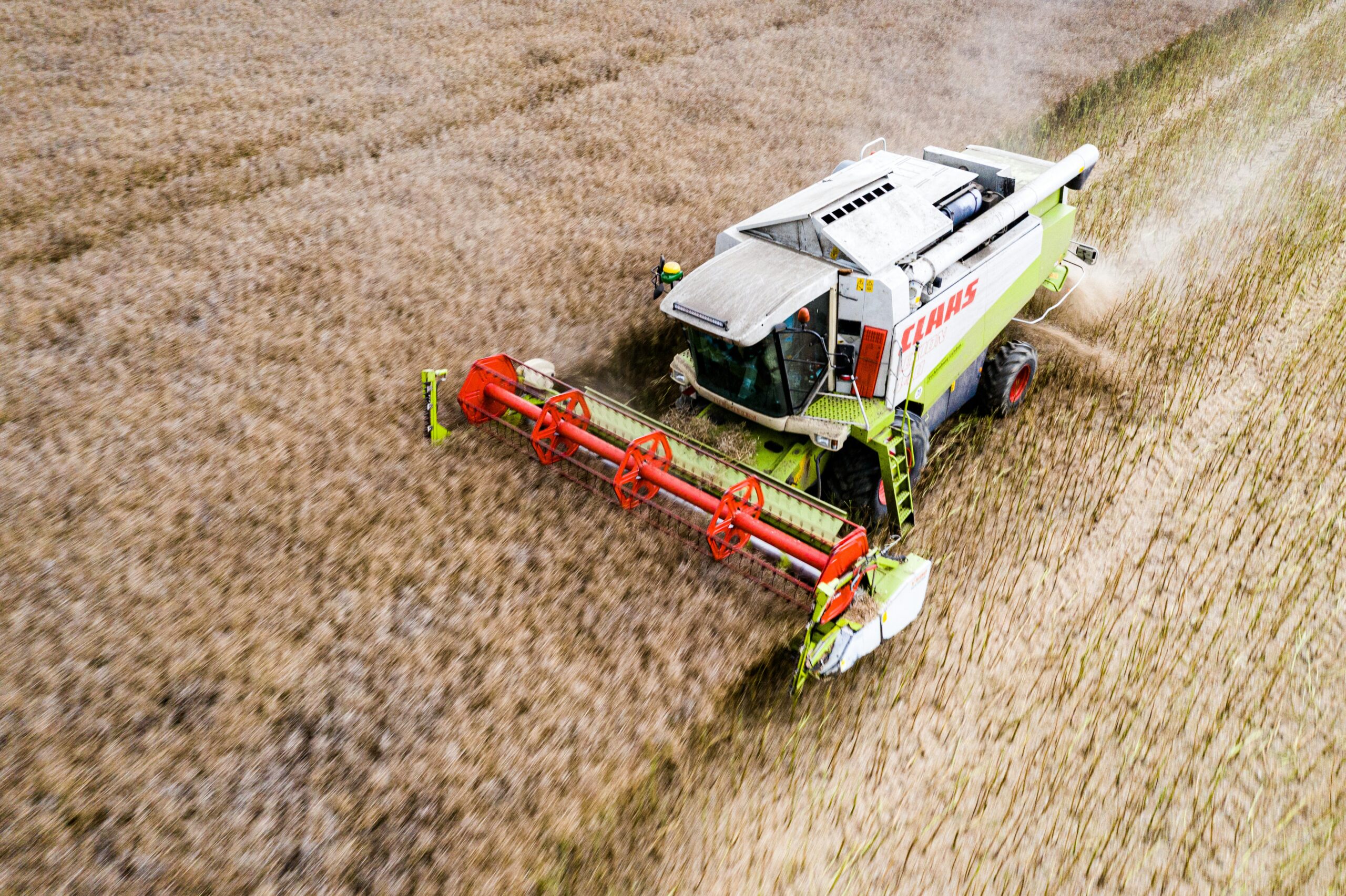
Farming plays a vital role in feeding communities, supporting economies, and protecting natural resources. However, modern agriculture faces growing challenges. Farmers must produce enough food while managing rising costs, changing weather patterns, and limited resources. Traditional farming methods remain valuable, but they cannot always address these challenges alone. Digital innovation offers practical solutions that help farmers improve productivity while reducing environmental harm.
New technologies allow farmers to make informed decisions about planting, irrigation, soil management, and harvesting. Digital tools also help agricultural businesses reduce waste, improve crop quality, and use resources more responsibly. As these solutions become more accessible, they are changing how farmers approach long-term sustainability. Understanding their role reveals how technology can support a more efficient and environmentally responsible agricultural future.
How Digital Technology Is Changing Modern Agriculture
Digital technology has transformed many farming activities by making information easier to collect and understand. Farmers can now use mobile applications, digital records, and connected equipment to monitor their fields. These tools provide useful details about crop conditions, weather, and resource use. Instead of relying only on experience, farmers can combine their knowledge with current information. This approach helps them identify problems early and make better decisions throughout the growing season.
Technology also reduces the time required for everyday agricultural tasks. Automated systems can manage irrigation schedules, track equipment performance, and record farming activities. As a result, farmers can spend more time planning and improving their operations. Digital solutions do not replace traditional agricultural knowledge. Instead, they strengthen it by providing accurate information that supports practical choices. This combination creates opportunities for more productive and sustainable farming practices.
Improving Water Conservation Through Smart Irrigation
Water conservation remains one of the most important goals in sustainable agriculture. Farming requires large amounts of water, particularly in regions that experience limited rainfall. Traditional irrigation methods sometimes apply more water than crops need. This can increase operating costs and waste valuable resources. Smart irrigation systems address this problem by using soil moisture readings, weather information, and crop requirements to guide watering decisions. Farmers can deliver water when plants need it rather than following fixed schedules.
Digital irrigation systems can also help prevent damage caused by excessive watering. Too much water may weaken roots, remove nutrients from soil, and increase the risk of certain plant diseases. By monitoring field conditions, farmers can maintain healthier growing environments. Some systems allow remote control through smartphones, making water management easier across large properties. These improvements help farms conserve water while maintaining crop growth. Over time, careful irrigation can support stronger yields and protect local water supplies.
Using Data to Improve Soil Health and Crop Growth
Healthy soil forms the foundation of successful farming. It provides nutrients, stores moisture, and supports plant development. However, soil conditions can vary significantly across the same farm. Digital soil monitoring tools help farmers understand these differences. Sensors and mapping systems can collect information about moisture, temperature, and other important conditions. Farmers can use these findings to identify areas that require attention and avoid applying the same treatment everywhere.
Better soil information also supports responsible fertilizer use. Applying too much fertilizer can increase costs and contribute to water pollution. Applying too little may reduce crop growth and overall productivity. Digital records and soil testing help farmers estimate nutrient needs more accurately. They can then adjust fertilizer applications to match local field conditions. This targeted approach reduces unnecessary inputs while supporting healthy crops. It also encourages long-term soil care, which remains essential for sustainable agricultural production.
Reducing Agricultural Waste With Digital Solutions
Agricultural waste can occur during planting, harvesting, storage, and transportation. Crops may spoil because of poor storage conditions, delayed deliveries, or inaccurate production estimates. Digital tools help farmers recognize these risks before they become serious problems. For example, temperature and humidity monitoring systems can track storage environments and alert operators when conditions change. Farmers can respond quickly to protect harvested products. Digital inventory records also improve planning by showing how much produce is available and when it should move to market.
Technology can also reduce waste during field operations. GPS-guided equipment helps farmers avoid overlapping applications of seeds, fertilizers, and crop treatments. This improves accuracy and prevents unnecessary resource use. Meanwhile, digital forecasting tools can support decisions about harvesting schedules and expected market demand. Better coordination between farms, storage facilities, and buyers may reduce delays and product losses. Together, these improvements make agricultural operations more efficient while lowering their environmental impact.
Supporting Sustainable Farming With Artificial Intelligence
Artificial intelligence is becoming an increasingly useful part of digital agriculture. It can examine large amounts of farming information and identify patterns that may be difficult to recognize manually. For example, systems can analyze crop images to detect possible signs of disease or pest damage. Early warnings allow farmers to inspect affected areas and respond before problems spread. This may reduce crop losses and limit unnecessary pesticide applications. Farmers can also use predictive tools to compare planting conditions and plan agricultural activities more effectively.
Artificial intelligence can support better decisions when combined with reliable local information. Weather forecasts, historical harvest records, and field observations can help digital systems estimate possible crop outcomes. However, these predictions are not always perfect. Farmers still need practical experience to interpret recommendations and respond to unexpected conditions. When used responsibly, artificial intelligence can improve planning and reduce resource waste. Its greatest value comes from helping farmers make timely decisions rather than replacing human judgment.
How Digital Tools Help Farmers Adapt to Climate Change
Climate change creates uncertainty for agricultural communities. Shifting rainfall patterns, extreme temperatures, and unusual weather events can disrupt planting and harvesting schedules. Digital weather services help farmers prepare for these conditions by providing timely forecasts and local alerts. Farmers can use this information to adjust irrigation, protect vulnerable crops, or delay field activities during unfavorable weather. Although technology cannot prevent extreme weather, it can improve preparation and reduce avoidable losses.
Digital records also help farmers understand how changing conditions affect their land over time. By comparing rainfall, temperature, and harvest information across multiple seasons, they can identify patterns that influence productivity. This knowledge supports decisions about crop varieties, planting dates, and water management. Farmers may also use satellite images to observe changes in vegetation and field conditions. These tools encourage flexible agricultural practices that respond to environmental challenges while protecting long-term farm productivity.
Making Sustainable Agriculture More Accessible to Farmers
The benefits of digital innovation depend on whether farmers can access and use the available tools. Large agricultural businesses may have more resources to purchase advanced equipment, but smaller farms can also benefit from affordable technologies. Mobile applications, digital weather forecasts, and simple farm management systems provide useful information without requiring major investments. These solutions can improve recordkeeping, support financial planning, and help farmers identify opportunities to reduce costs. Access to reliable internet and practical training remains important for successful adoption.
Education and community support can make digital farming more inclusive. Agricultural organizations, local training centers, and technology providers can help farmers understand new systems and choose tools that match their needs. Practical demonstrations may also reduce uncertainty about unfamiliar equipment. When farmers receive ongoing support, they are more likely to use technology effectively. Expanding access to suitable digital solutions can strengthen rural communities and make sustainable practices more achievable across farms of different sizes.