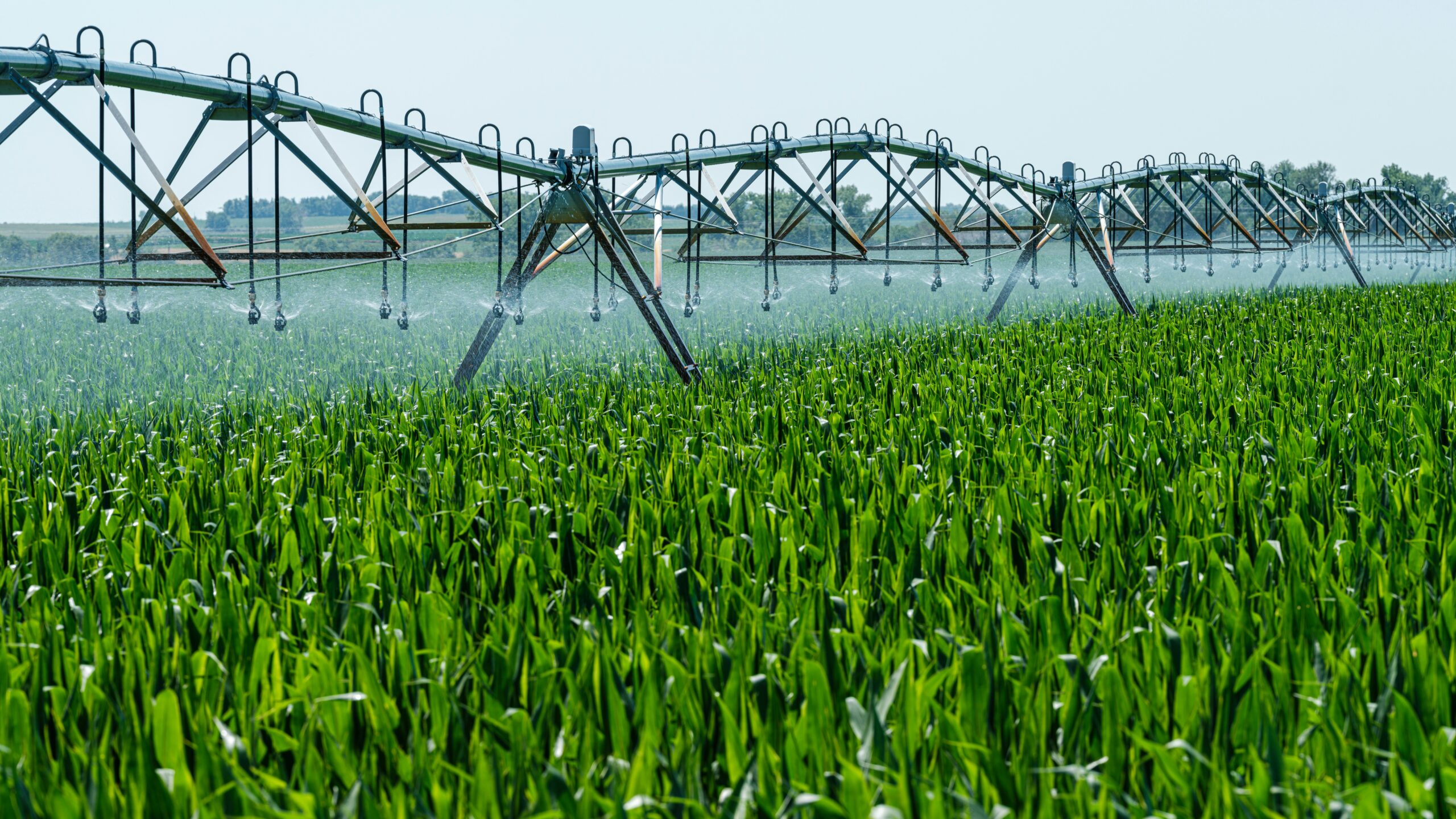
Agriculture provides the food people need while supporting jobs, businesses, and rural communities. However, increasing food production can place pressure on soil, water, forests, and wildlife. Farmers must meet growing demand without damaging the natural resources that make agriculture possible. Therefore, balancing agricultural productivity and environmental health is essential to building a sustainable food system.
Modern farming offers several ways to achieve this balance. Sustainable land management, efficient irrigation, improved technology, and responsible resource use can support strong harvests while reducing environmental damage. Furthermore, farmers who protect their natural resources can strengthen their operations over time. By combining practical farming methods with environmental care, agricultural communities can build a healthier, more productive future.
Understanding the Connection Between Farming and Nature
Agricultural productivity depends on healthy natural systems. Fertile soil supplies nutrients, clean water supports plant growth, and beneficial insects help control pests. However, farming practices that ignore these natural relationships can damage ecosystems and reduce long-term productivity. Consequently, farmers must recognize that protecting the environment directly supports agricultural success.
Responsible agriculture focuses on improving production without exhausting valuable resources. For example, protecting soil from erosion helps maintain fertility for future harvests. Similarly, conserving water allows farmers to meet crop needs while reducing pressure on local supplies. These practices strengthen the link between agricultural development and environmental sustainability.
Improving Soil Health for Better Crop Growth
Healthy soil provides the foundation for productive farming. It stores moisture, supplies essential nutrients, and supports organisms that help plants grow. However, excessive tillage and poor land management can weaken soil structure. As a result, farmers may experience lower yields and increased production costs.
Farmers can improve soil health through crop rotation, composting, and cover cropping. These methods increase organic matter and help reduce erosion. Limiting unnecessary soil disturbance can also protect beneficial organisms. Healthier soil supports stronger crops while reducing the need for certain agricultural inputs.
Conserving Water Without Reducing Productivity
Water plays an essential role in food production. Crops need reliable moisture to develop healthy roots, leaves, and fruits. However, inefficient irrigation can waste valuable freshwater through evaporation and runoff. Therefore, farmers must use water carefully while maintaining conditions that support growth.
Modern irrigation systems help producers deliver water more accurately. Drip irrigation sends moisture directly to plant roots, while soil sensors help farmers monitor water needs. Collecting rainwater and improving water storage can also support production during dry periods. These solutions help conserve resources without sacrificing crop health.
Reducing Chemical Pollution Through Responsible Farming
Fertilizers and pesticides can help farmers maintain crop productivity. However, excessive or poorly timed applications may damage soil, contaminate waterways, and harm beneficial organisms. As a result, responsible chemical management is essential to protect agricultural ecosystems.
Farmers can reduce pollution by testing soil, following appropriate fertilizer recommendations, and monitoring pest populations. Integrated pest management also encourages preventive measures and targeted treatments. Additionally, planting vegetation near waterways can help capture sediment and certain pollutants. These practices protect environmental health while supporting effective crop management.
Using Technology to Support Sustainable Agriculture
Modern agricultural technology helps farmers make better decisions in the field. Drones, satellite imagery, and digital sensors provide information about plant health, soil conditions, and water availability. As a result, producers can spot problems early and avoid using resources unnecessarily.
Precision farming allows growers to apply fertilizers, irrigation water, and crop treatments where they are needed most. Accurate field data can also improve planning and reduce production costs. By using technology responsibly, farmers can maintain healthy harvests while limiting their environmental impact.
Protecting Biodiversity Across Agricultural Landscapes
Biodiversity supports agricultural production in several important ways. Bees and other pollinators help many crops produce fruits and seeds. Meanwhile, birds and beneficial insects can reduce certain pest populations. However, habitat destruction and excessive chemical use can threaten these valuable species.
Farmers can protect biodiversity by planting native vegetation, maintaining hedgerows, and preserving natural habitats around fields. Additionally, reducing unnecessary pesticide applications can support beneficial insects. These actions help create balanced ecosystems that contribute to long-term agricultural productivity.
Encouraging Crop Rotation and Diverse Farming Systems
Growing the same crop repeatedly can increase pest pressure and create soil nutrient imbalances. Crop rotation provides a practical solution by changing the types of plants grown in a field over time. As a result, farmers can improve soil management and reduce certain production risks.
Diversified farming systems also provide greater flexibility when weather conditions or market demands change. For example, rotating grain crops with legumes can support more balanced nutrient management. Growing different crops may also attract beneficial insects and improve farm resilience. These approaches support productivity while protecting environmental health.
Reducing Agricultural Waste and Improving Resource Efficiency
Agricultural operations produce crop residues, animal manure, and other organic materials. Poor management can create pollution and unnecessary waste. However, responsible recycling practices can turn suitable agricultural byproducts into useful resources.
Composting converts organic materials into soil amendments that improve soil structure and nutrient availability. Better storage and harvesting methods can also reduce food losses. Farmers can also reuse appropriate crop residues as mulch to protect moisture and limit erosion. These practices improve resource efficiency and reduce environmental pressure.
Adapting Farming Practices to Climate Change
Changing weather patterns create new challenges for agricultural production. Droughts, floods, and extreme temperatures can damage crops and disrupt farming schedules. Therefore, farmers need flexible strategies that protect productivity under uncertain environmental conditions.
Climate-resilient crop varieties, improved drainage, and efficient irrigation can help farms manage weather-related risks. Furthermore, weather monitoring and careful planting decisions allow producers to prepare for changing conditions. These approaches support dependable harvests while encouraging responsible resource management.
Supporting Farmers Through Education and Collaboration
Sustainable agriculture requires practical knowledge, appropriate technology, and access to financial resources. However, some farmers struggle to adopt new methods because of equipment costs or limited technical support. Consequently, agricultural education plays an important role in encouraging responsible farming.
Research institutions, agricultural organizations, and government programs can provide training and useful information. Additionally, farming cooperatives allow producers to share experiences, equipment, and successful practices. These partnerships help farmers improve productivity while making environmental protection more practical.