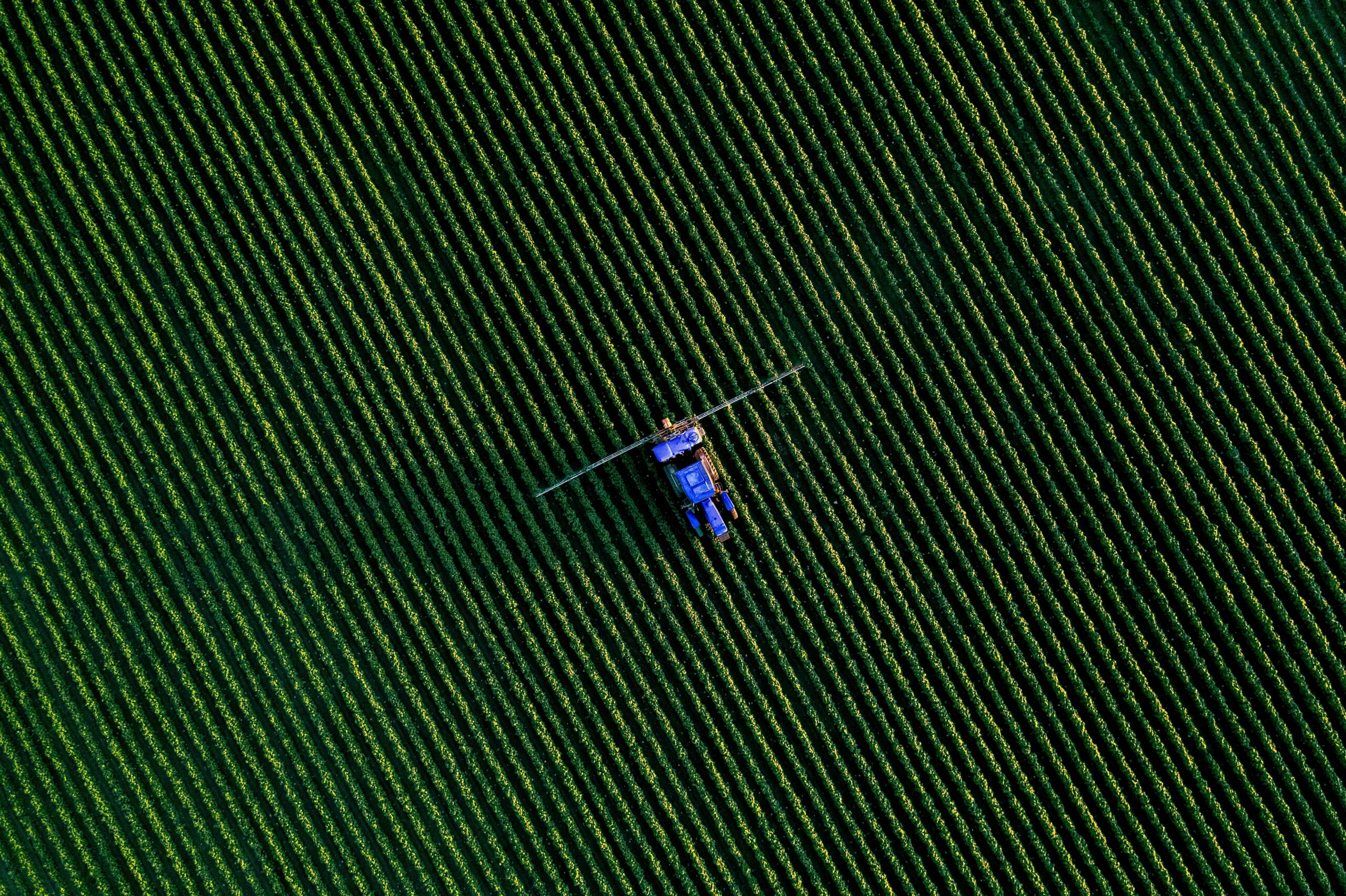
Agriculture has always been the foundation of human life, but modern technology is changing how food is grown and managed. Today, farming is no longer based only on experience and hard work. It now combines advanced tools, data, and digital systems to improve productivity and reduce waste. This new approach, often called smart farming, allows farmers to make better decisions by using real-time information collected from their fields.
As the global population continues to grow, the demand for food increases every year. Farmers must produce more crops while protecting natural resources. Tech-driven agriculture offers practical solutions by bringing together innovation and traditional farming methods. This combination is creating a future where data meets the dirt, helping farms become more efficient, profitable, and environmentally friendly.
How Data Is Changing Modern Farming
Data has become one of the most valuable resources in agriculture. Farmers can now collect information about soil conditions, weather patterns, crop health, and water levels through advanced technologies. This information helps them understand exactly what their fields need at any given time.
Instead of treating an entire field the same way, farmers can focus on specific areas that require attention. This process reduces unnecessary use of fertilizers, pesticides, and water. Better decisions based on accurate data also lead to healthier crops and higher yields.
The ability to monitor fields continuously allows farmers to respond quickly to changing conditions. Whether it is unexpected rainfall or a sudden pest problem, real-time data provides valuable insights that support faster action.
The Role of Smart Sensors and Connected Devices
One of the biggest developments in agriculture is the use of smart sensors and connected devices. These tools are placed in fields to measure soil moisture, temperature, humidity, and other environmental factors. The information is automatically sent to digital platforms where farmers can review it at any time.
Connected devices reduce the need for constant manual inspections. Instead of walking through large fields every day, farmers can monitor conditions remotely. This saves time while improving accuracy.
Many farms also use automated irrigation systems connected to these sensors. When soil becomes too dry, the system delivers the right amount of water without wasting valuable resources. This approach supports both higher productivity and sustainable farming practices.
Drones and Satellite Technology in Agriculture
Drones have become an important part of modern farming. They provide aerial views of fields that help farmers detect problems early. High-quality images reveal crop stress, pest damage, irrigation issues, and uneven plant growth before these problems become serious.
Satellite technology also supports precision farming by providing detailed information over large farming areas. Farmers can compare images collected over time to identify trends and improve planning for future growing seasons.
Using drones and satellite data reduces guesswork. Farmers gain a better understanding of their land, allowing them to make informed decisions that increase efficiency and reduce production costs.
Artificial Intelligence Supports Better Decisions
Artificial intelligence is becoming an essential tool in agriculture. AI systems analyze large amounts of farming data much faster than humans can. These systems identify patterns and provide recommendations that improve crop management.
For example, AI can predict disease outbreaks, estimate harvest times, and recommend the best planting schedules. Farmers receive valuable insights that help them avoid losses and improve productivity.
Machine learning also continues to improve over time. As more information is collected, AI systems become more accurate, giving farmers even better guidance for future seasons.
Sustainable Farming Through Technology
Protecting the environment has become an important goal for agriculture. Technology helps farmers reduce waste while maintaining strong crop production. Precision farming ensures that water, fertilizer, and pesticides are applied only where they are needed.
This targeted approach reduces pollution and protects nearby ecosystems. It also lowers farming expenses by reducing unnecessary input costs.
Technology supports soil conservation as well. Farmers can monitor soil health over time and make adjustments that preserve fertility for future generations. Healthy soil leads to stronger crops and long-term agricultural success.
Challenges Facing Digital Agriculture
Although technology offers many benefits, adopting these systems is not always easy. Advanced equipment, software, and digital tools often require significant investment. Smaller farms may struggle with the cost of purchasing and maintaining new technology.
Training is another important challenge. Farmers need to understand how to operate modern equipment and interpret complex data. Without proper education, valuable information may not be used effectively.
Reliable internet access also remains important for connected farming systems. In some rural areas, limited connectivity can slow the adoption of digital agriculture and reduce access to advanced technologies.
The Future of Farming Is Data-Driven
Technology will continue to shape the future of agriculture as innovations become available. Robotics, automation, advanced analytics, and smarter artificial intelligence will make farming even more efficient. Farmers will have access to better tools that improve decision-making while reducing environmental impact.
The combination of traditional farming knowledge and modern technology creates a powerful partnership. Data is becoming just as valuable as seeds, soil, and water because it helps farmers understand every aspect of crop production.
As agriculture continues to evolve, tech-driven farming will play a vital role in meeting global food demands while protecting natural resources. By bringing together innovation and the natural world, the future of farming is becoming smarter, more productive, and better prepared for the challenges ahead.