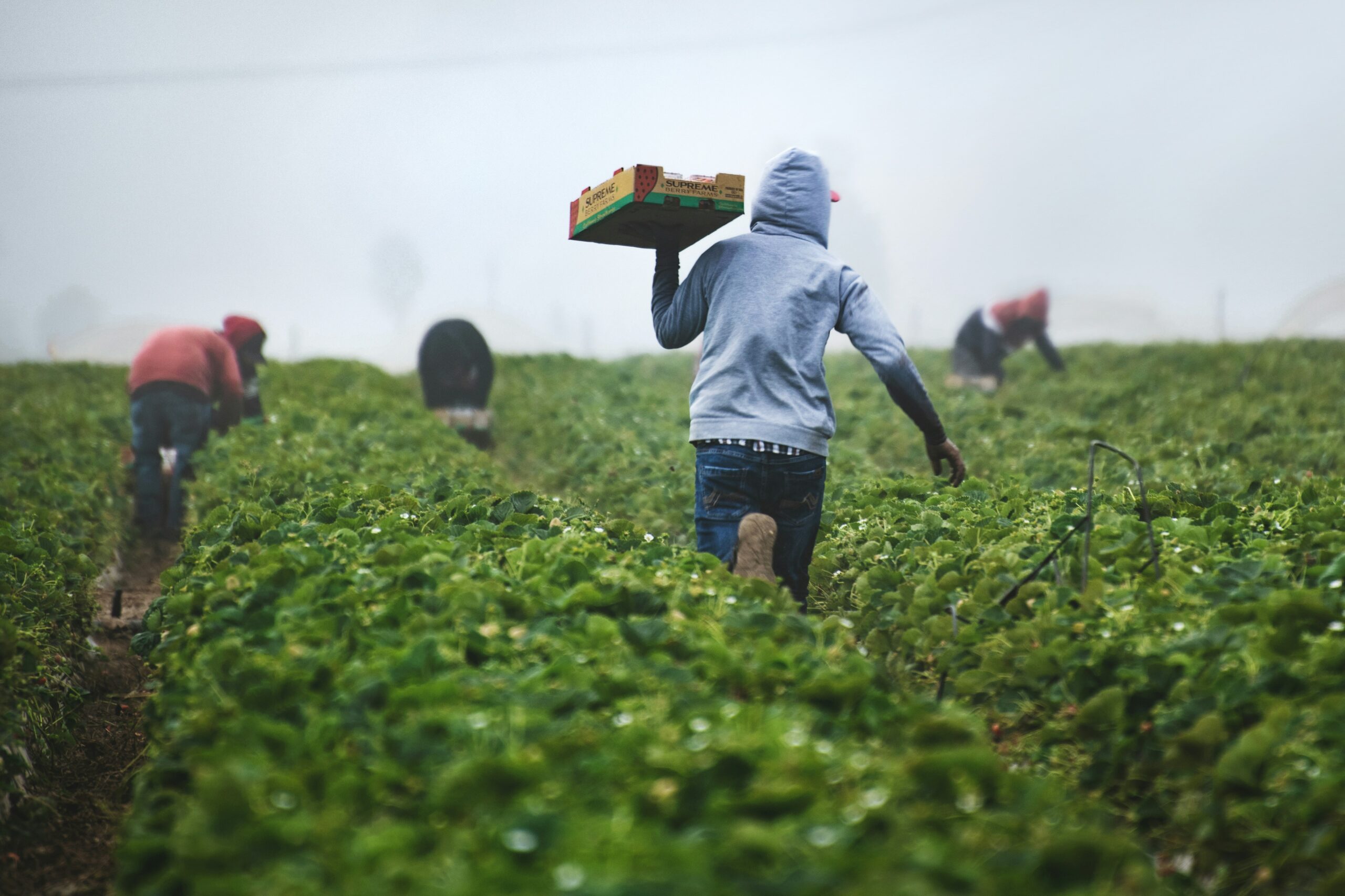
Sustainable farming is becoming increasingly important as the world faces climate change, population growth, and resource constraints. Farmers today are looking for better ways to grow healthy crops while protecting the environment. Sustainable farming focuses on using natural resources wisely, improving soil health, conserving water, and reducing pollution. These practices help create a farming system that supports both people and nature for many years to come.
As weather patterns become less predictable, sustainable farming offers practical solutions that improve crop production while reducing environmental damage. By combining traditional knowledge with modern technology, farmers can build stronger and more productive farms that meet today’s needs without harming future generations.
What Is Sustainable Farming?
Sustainable farming is an agricultural approach that balances food production with environmental protection. It aims to grow crops and raise livestock while maintaining healthy soil, clean water, and biodiversity. Instead of depending heavily on chemical fertilizers and pesticides, sustainable farming encourages natural methods that improve long-term productivity.
This farming method also focuses on reducing waste, saving energy, and protecting ecosystems. Farmers use techniques such as crop rotation, composting, cover crops, and natural pest control to maintain healthy farmland. These practices help reduce the need for expensive chemical inputs while improving the quality of agricultural products.
Why Sustainable Farming Matters
Climate change has created many challenges for agriculture, including droughts, floods, extreme temperatures, and changing rainfall patterns. These conditions can reduce crop yields and increase production costs. Sustainable farming helps farmers adapt to these challenges by improving soil structure, increasing water retention, and promoting healthier crops.
Healthy soil acts like a natural sponge, storing water during rainy seasons and releasing it slowly during dry periods. This reduces the impact of drought and helps crops survive stressful conditions. Sustainable farming also lowers greenhouse gas emissions by reducing excessive fertilizer use and encouraging carbon storage in the soil.
As the global demand for food continues to grow, sustainable farming provides a reliable way to increase production while protecting natural resources.
Modern Technology Supporting Sustainable Agriculture
Technology has become an important partner in sustainable farming. Precision agriculture allows farmers to monitor soil conditions, weather forecasts, and crop health using sensors, drones, and satellite images. This information helps farmers apply water, fertilizers, and other resources only where they are needed.
Smart irrigation systems reduce water waste by delivering the right amount of moisture directly to plant roots. Advanced equipment also helps farmers identify pests and diseases early, allowing quick action before serious damage occurs.
Artificial intelligence and data analysis are also improving farm management by predicting weather changes, optimizing planting schedules, and improving harvest planning. These innovations increase efficiency while reducing environmental impact.
Protecting Soil and Water Resources
Healthy soil is the foundation of successful farming. Sustainable farming encourages practices that keep soil fertile and productive for future generations. Crop rotation prevents nutrient depletion by alternating different crops throughout the growing season. Cover crops protect the soil from erosion while adding valuable organic matter.
Composting returns nutrients to the soil naturally, reducing dependence on synthetic fertilizers. Mulching helps retain moisture, control weeds, and regulate soil temperature.
Water conservation is equally important. Drip irrigation delivers water directly to plant roots, reducing evaporation and runoff. Rainwater harvesting systems collect and store rainfall for future use, helping farmers manage water shortages during dry seasons.
Together, these practices create healthier farms that are more resistant to climate-related challenges.
Supporting Biodiversity Through Sustainable Farming
Biodiversity plays a major role in maintaining healthy agricultural systems. Sustainable farming encourages the protection of beneficial insects, birds, pollinators, and other wildlife that support crop production.
Planting a variety of crops reduces the risk of widespread disease and pest outbreaks. Flowering plants attract bees and butterflies, which improve pollination and increase crop yields. Natural habitats around farms provide shelter for helpful predators that control harmful insects without chemical pesticides.
A diverse farming environment creates stronger ecosystems that remain productive even when environmental conditions change.
Economic Benefits for Farmers
Sustainable farming is not only good for the environment but also provides financial advantages. Although some sustainable practices require initial investments, they often reduce long-term operating costs. Farmers spend less on chemical fertilizers, pesticides, and water while improving crop quality and soil productivity.
Consumers are increasingly interested in food produced through environmentally responsible methods. This growing demand creates new market opportunities for farmers who adopt sustainable practices. Higher-quality products and improved farm resilience can lead to greater profits over time.
Government programs and agricultural organizations also support sustainable farming by offering education, financial incentives, and technical assistance that encourage environmentally friendly farming methods.
Building a Better Agricultural Future
Sustainable farming represents a practical solution to many of today’s agricultural challenges. By protecting natural resources, improving soil health, conserving water, and embracing innovative technology, farmers can continue producing healthy food while caring for the environment.
As climate conditions continue to change, sustainable farming will play an even greater role in ensuring food security and environmental protection. Every step toward responsible farming strengthens agricultural systems, supports local communities, and preserves valuable resources for future generations. Through continuous innovation and responsible land management, sustainable farming creates a healthier and more resilient future for both agriculture and the planet.