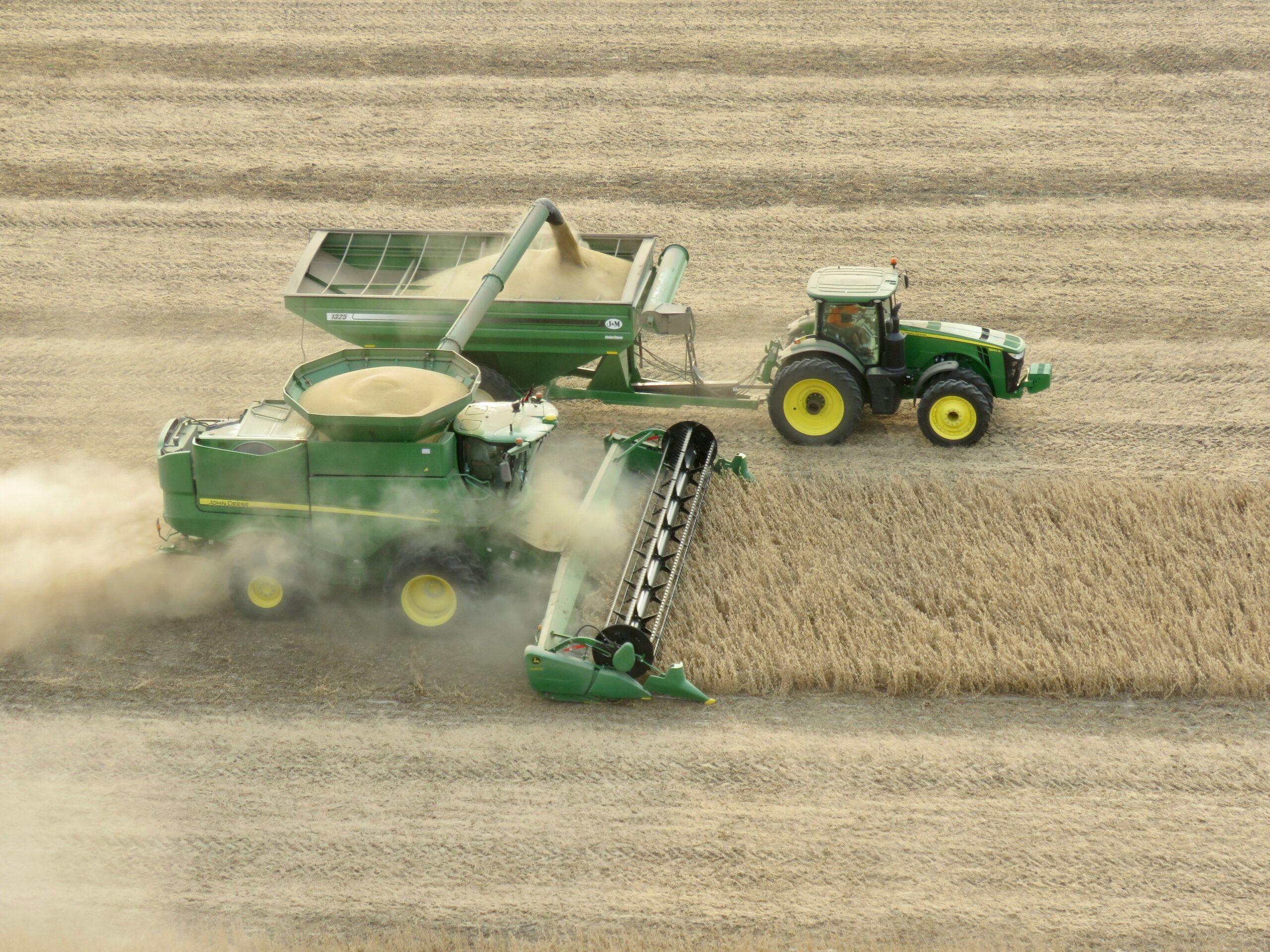
Agriculture has always depended on knowledge, experience, and adaptation. Today, farmers are entering a new era where technology helps them make better decisions and improve their operations. Digital agriculture is changing how farmers grow crops, manage resources, and respond to challenges. Instead of depending only on traditional methods, producers now use advanced tools to understand their fields with greater accuracy.
Moreover, digital innovation allows farmers to collect important information about soil, weather, crops, and equipment. This information helps them create better strategies and reduce unnecessary waste. As a result, modern farms are becoming more efficient, productive, and sustainable. Technology is not replacing farmers. Instead, it is giving them stronger tools to support their knowledge and experience.
The rise of digital farming also creates new opportunities for agricultural growth. Farmers can now monitor field conditions, predict possible problems, and improve crop performance with greater confidence. Furthermore, these changes help the agriculture industry meet increasing food demands while protecting valuable natural resources.
Additionally, digital solutions are making farming more connected than ever before. Machines, sensors, and software systems can work together to provide useful insights. Therefore, farmers can make faster decisions and manage their land more effectively. This connection between technology and agriculture is creating a smarter future for food production.
Data Turning Fields Into Smarter Environments
Data has become one of the most valuable resources in modern agriculture. Every field has unique conditions that affect crop growth, including soil quality, moisture levels, and weather patterns. Digital tools help farmers collect and analyze this information so they can better understand their land. Therefore, data enables farmers to move from general farming practices to more precise decision-making.
Furthermore, sensors and monitoring systems provide real-time information that supports daily farm management. Farmers can track changes in their fields and respond quickly when conditions shift. This approach helps reduce resource waste because producers can apply water, nutrients, and treatments only where they are needed. As a result, farms can become more productive while using resources more responsibly.
Data also helps farmers learn from previous growing seasons. By reviewing information from past harvests, producers can identify successful methods and improve future planning. Moreover, this knowledge allows farmers to prepare for challenges such as changing weather conditions and shifting market demands.
In addition, data-driven farming creates a stronger connection between farmers and their land. Instead of treating every part of a field the same way, producers can understand the specific needs of different areas. Consequently, digital information helps farmers protect crops, increase efficiency, and improve long-term results.
Smart Technology Improving Crop Production
Smart technology has changed the way farmers approach crop production. Modern equipment and digital systems allow producers to complete tasks with greater accuracy and efficiency. From planting to harvesting, technology supports farmers at every stage of the growing process. As a result, agricultural operations can achieve better outcomes with fewer challenges.
Moreover, smart irrigation systems help farmers manage water more effectively. These systems can measure soil conditions and provide water based on actual crop needs. This reduces unnecessary water use and supports healthier plant growth. Additionally, farmers can save resources while maintaining strong production levels.
Technology also improves crop monitoring and protection. Digital tools can help identify early signs of plant stress, disease, or pest activity. Therefore, farmers can respond before problems become severe. This early action reduces losses and helps maintain crop quality throughout the season.
Furthermore, smart technology supports more efficient harvesting. Advanced machines can collect data in the field and help farmers improve future operations. Consequently, technology allows farmers to increase productivity while maintaining better control over their agricultural processes.
Artificial Intelligence Supporting Better Farm Decisions
Artificial intelligence is becoming an important part of modern agriculture. AI systems can analyze large amounts of information and provide useful recommendations for farmers. These tools help producers understand patterns that may not be easy to recognize through traditional observation. Therefore, artificial intelligence enables smarter, faster decision-making.
Moreover, AI can help farmers predict future conditions and prepare for possible risks. By analyzing weather information, soil data, and crop performance, AI systems can provide valuable insights. This allows farmers to make informed choices about planting, irrigation, and crop management.
Artificial intelligence also supports improved problem detection. Advanced systems can identify signs of disease or environmental stress before major damage occurs. As a result, farmers can take action earlier and protect their crops more effectively.
Additionally, AI technology continues to improve automation in agriculture. Smart machines can complete certain tasks with greater precision and consistency. However, farmers remain essential because their experience and judgment guide important decisions. Technology works best when it supports human knowledge.
Sustainable Farming Through Digital Innovation
Sustainability has become a major goal for modern agriculture. Farmers must produce more food while protecting the environment and preserving resources for future generations. Digital technology helps achieve this balance by improving efficiency and reducing waste. Therefore, innovation plays an important role in creating responsible farming systems.
Furthermore, digital tools help farmers manage resources more carefully. Precision systems can reduce excessive use of water, fertilizer, and energy. This approach supports healthier soil and lowers environmental impact. Additionally, efficient farming methods can improve financial performance by reducing unnecessary costs.
Technology also helps farmers adapt to climate challenges. Weather monitoring systems provide information that helps producers prepare for changing conditions. As a result, farmers can make better choices during uncertain seasons and protect their operations from potential risks.
Moreover, sustainable digital agriculture benefits communities around the world. By improving production efficiency and reducing waste, technology helps create stronger food systems. Consequently, innovation supports both environmental protection and global food security.