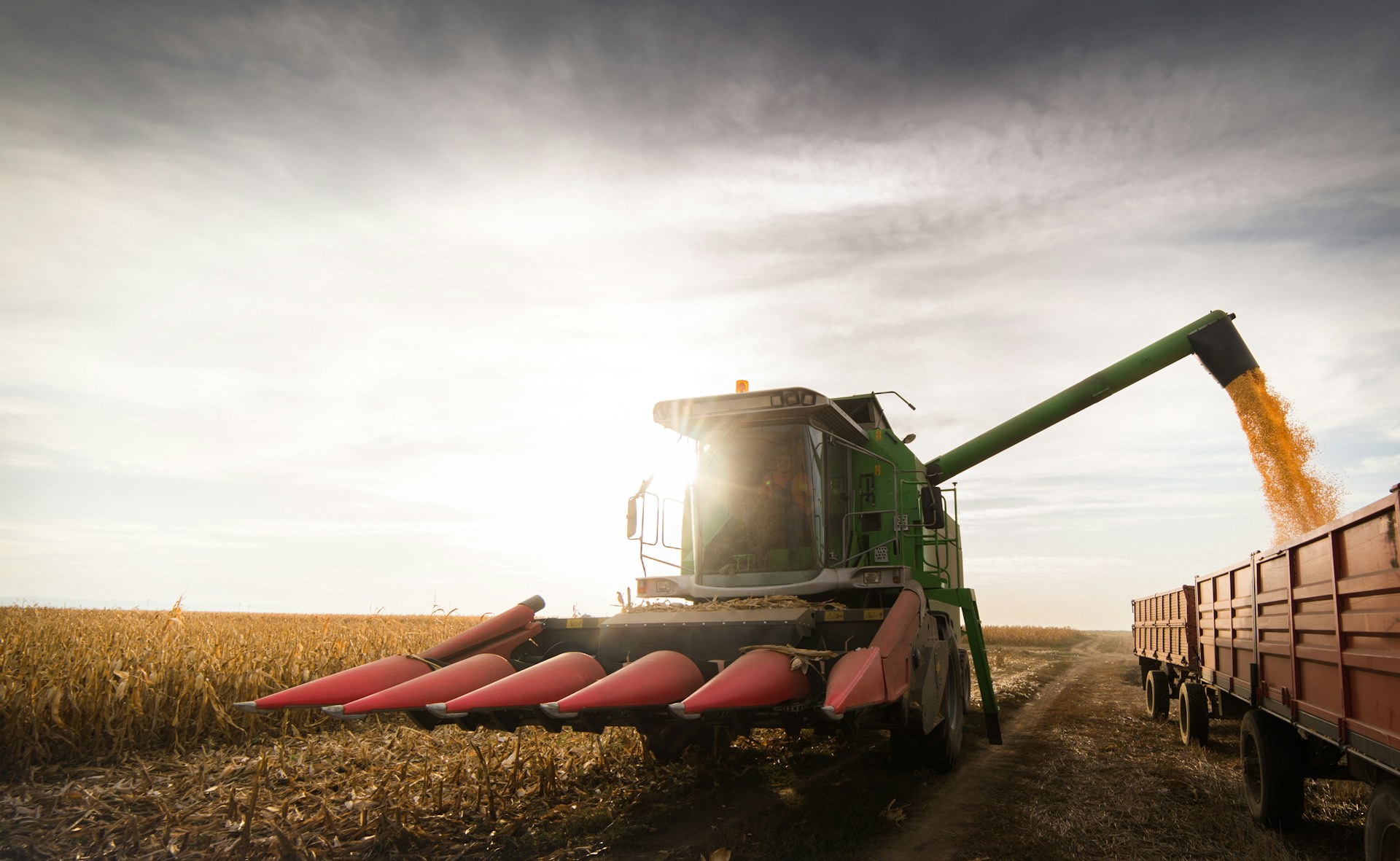
Grain storage is a critical step that determines the success of a harvest long after crops leave the field. Farmers invest months of effort into growing crops, yet without proper storage, much of that hard work can go to waste. Grain faces constant threats from moisture, pests, and environmental changes, which can quickly reduce its quality. Therefore, modern agriculture depends heavily on advanced crop storage systems to safeguard harvests and maintain value. By focusing on improved preservation methods, farmers can protect their yield and ensure a consistent supply throughout the year.
The Importance of Preserving Grain Quality After Harvest
Grain preservation is essential for maintaining both food quality and economic stability. When grains are stored properly, they retain their nutritional value, texture, and market appeal. However, poor storage conditions can lead to spoilage, contamination, and financial losses. Because of this, farmers must treat storage as an extension of the production process rather than a separate step.
In addition, proper preservation supports food security. As the global population grows, the demand for reliable food sources continues to increase. Efficient storage systems help reduce waste and ensure that harvested grain reaches consumers in good condition. This makes preservation not just a farming concern but a global necessity.
Key Factors That Influence Grain Storage Success
Several factors determine how well grain can be stored over time. First, moisture levels must be carefully controlled. Excess moisture creates conditions for mold growth and spoilage. Therefore, keeping grain dry is one of the most important steps in preservation.
Second, temperature management is vital. High temperatures can speed up biological processes that damage grain. On the other hand, stable and cooler temperatures help maintain quality. In addition, airflow is necessary to prevent condensation and maintain balance within storage systems.
Another factor is cleanliness. Storage units must be free from old residues and pests before new grain is added. By controlling these key elements, farmers can significantly improve the lifespan of their stored grain.
Smart Technologies Transforming Grain Storage
Technology has brought major improvements to grain storage practices. Today, farmers can use smart sensors to monitor moisture, temperature, and airflow in real time. These tools provide instant data, allowing quick action when conditions change.
Moreover, automated systems can adjust ventilation and temperature without manual effort. This reduces human error and ensures consistent conditions. As a result, grain remains protected even in changing environments.
Amid these advancements, smart grain management tools are helping farmers make better decisions. These tools combine data analysis with real-time monitoring, giving farmers full control over storage conditions. This leads to improved efficiency and reduced losses.
The Role of Controlled Atmosphere Storage
Controlled atmosphere storage is an advanced method that limits oxygen levels inside storage units. By reducing oxygen, it becomes difficult for pests and microorganisms to survive. This helps preserve grain quality for longer periods without relying heavily on chemicals.
Additionally, this method slows down natural processes that cause grain to deteriorate. As a result, grains maintain their freshness and nutritional value. Controlled atmosphere storage is especially useful for large-scale operations that require long-term storage.
Furthermore, this technique supports environmentally friendly practices. Since it reduces the need for chemical treatments, it promotes safer and more sustainable storage solutions.
Effective Pest Control Strategies in Storage Systems
Pest control is a major concern in grain storage. Insects and rodents can cause serious damage if not managed properly. Therefore, farmers must take preventive measures to protect their grain.
First, sealing storage units helps prevent pests from entering. Airtight systems create a barrier that keeps grain safe. Second, regular inspections allow for early detection of infestations. Quick action can stop the problem before it spreads.
In addition, natural pest control methods are becoming more popular. These methods reduce reliance on chemicals while still providing effective protection. By combining prevention and monitoring, farmers can maintain clean and safe storage conditions.
Improving Efficiency Through Better Storage Design
The design of storage systems directly impacts grain preservation. Modern silos and storage units are built to control temperature, airflow, and moisture better. This creates a stable environment that supports long-term storage.
Moreover, proper design allows easier access for inspection and maintenance. This helps farmers monitor conditions and address issues quickly. As a result, storage becomes more efficient and reliable.
Another important aspect is scalability. Farmers need storage systems that can grow with their operations. Flexible designs make it easier to expand storage capacity without compromising quality.
Sustainable Practices in Grain Storage
Sustainability is becoming a key focus in agriculture. Efficient grain storage helps reduce waste and conserve resources. By preventing spoilage, farmers can make better use of their harvest and minimize losses.
In addition, eco-friendly storage methods are gaining attention. These include energy-efficient systems and natural preservation techniques. Such practices reduce environmental impact while maintaining high-quality standards.
Furthermore, sustainable storage supports long-term agricultural success. By combining innovation with responsible practices, farmers can protect both their crops and the environment.
Ensuring Long-Term Value Through Modern Preservation
Protecting grain after harvest is essential for maintaining its value and usability. With advanced technologies, proper storage techniques, and effective management, farmers can extend the shelf life of their harvest. Over time, these efforts lead to better productivity and stronger food systems. As agriculture continues to evolve, efficient grain preservation methods will remain a key factor in reducing waste and ensuring consistent quality for future generations.