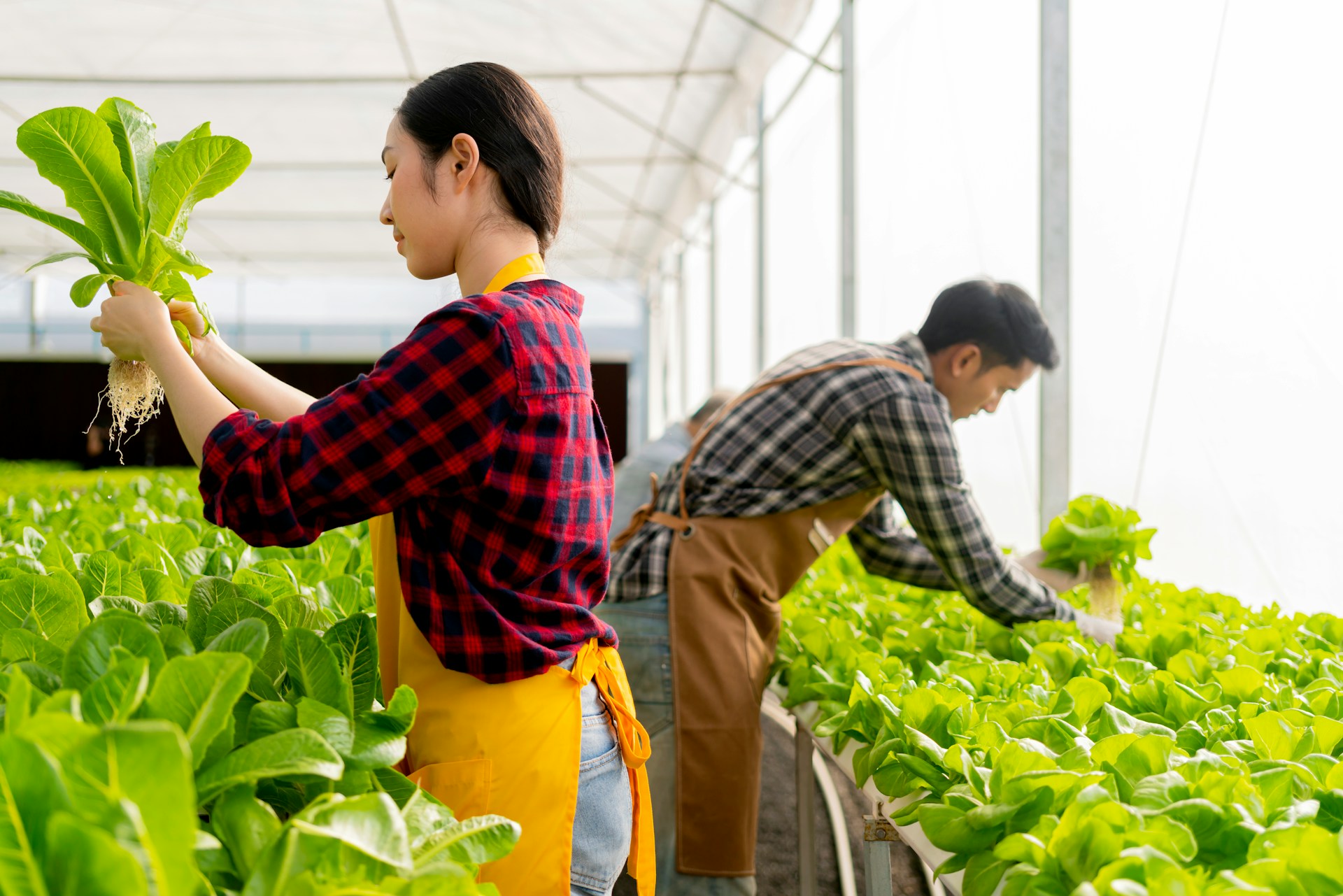
Farming continues to evolve as growers face changing weather patterns, rising expenses, and increasing pressure to produce more with fewer resources. Because of this, many farmers now focus on long-term strategies instead of short-term gains. They want systems that protect the land while keeping operations profitable year after year. That growing shift toward smarter agriculture has made eco-friendly crop management an essential part of modern farming conversations.
Successful farms today rely on more than experience alone. They combine practical knowledge with sustainable techniques that improve efficiency and reduce waste. At the same time, consumers increasingly support farms that care for soil, water, and food quality. This change creates new opportunities for farmers willing to adapt. With careful planning and practical methods, agriculture can remain productive while protecting resources for future generations.
Creating Stronger Ground Through Better Soil Care
Healthy soil supports every part of a successful farm. Crops depend on balanced nutrients, good structure, and active microorganisms to grow properly. However, years of heavy chemical use and excessive tillage can weaken the soil. As a result, farms may struggle with lower yields and higher input costs.
Many growers now use compost, crop rotation, and cover crops to rebuild soil naturally. These methods increase organic matter while improving moisture retention. In addition, healthier soil reduces erosion during heavy rainfall. When farmers focus on soil quality first, they often create stronger harvests and more stable production.
Conserving Water Without Reducing Productivity
Water shortages have become a serious concern in many agricultural regions. Therefore, efficient water use is now one of the most important parts of sustainable farming. Farmers who manage irrigation carefully can protect crops while reducing waste and lowering costs.
Drip irrigation systems deliver water directly to plant roots, avoiding unnecessary soaking of entire fields. Meanwhile, rainwater collection systems provide additional support during dry periods. Farmers also improve moisture retention by using mulch and planting cover crops. These practices help maintain steady production even during difficult weather conditions.
Expanding Crop Variety for Greater Stability
Farms that depend on one crop often face greater financial risk. A single pest outbreak or sudden market drop can affect the entire operation. However, growing different crops creates more flexibility and stability throughout the year.
Diversified planting also improves soil health and disrupts pest cycles naturally. Furthermore, farmers who grow multiple crops may reach more customers and markets. In many regions, soil regeneration techniques have become closely linked to diversified farming because crop rotation helps restore nutrients and improve long-term land productivity.
Reducing Waste Through Smarter Field Practices
Efficient farms waste very little. Every unnecessary expense, excess chemical application, or poorly timed process can reduce profitability over time. Therefore, farmers who improve efficiency often simultaneously strengthen both sustainability and income.
Precision agriculture tools now help growers monitor field conditions more accurately. GPS-guided equipment, moisture sensors, and drone imaging allow farmers to apply resources only where needed. Consequently, farms reduce waste while improving crop performance. These smarter methods also lower environmental impact without sacrificing productivity.
Supporting Natural Pest and Weed Control
Heavy chemical dependence can create long-term problems for both crops and soil. While pesticides may solve immediate issues, overuse can damage beneficial organisms and weaken ecosystem balance. Because of this, many farmers now explore more natural control strategies.
Integrated pest management combines observation, crop rotation, beneficial insects, and targeted treatment methods. This approach reduces unnecessary chemical use while keeping crops protected. In addition, healthier ecosystems naturally become more resistant to pest outbreaks. Farmers who use balanced pest management strategies may improve both crop quality and long-term soil health.
Building Stronger Local Food Networks
Local agriculture creates benefits that extend far beyond the farm itself. Communities often gain fresher food, stronger economies, and better access to regional products when farmers sell locally. As a result, many growers now focus on building direct relationships with nearby consumers.
Farmers’ markets, local restaurants, and community-supported agriculture programs provide valuable opportunities for stable sales. These partnerships also reduce transportation costs and the risk of supply chain disruptions. When local communities support nearby farms, agriculture becomes more resilient and sustainable for everyone involved.
Preparing Operations for Future Climate Challenges
Extreme weather events continue to affect agricultural production across many regions. Floods, droughts, heat waves, and unpredictable storms can all threaten crop performance. Therefore, farmers must prepare carefully for changing environmental conditions.
Windbreaks, improved drainage systems, drought-resistant crops, and water storage solutions all support stronger farm resilience. In the middle of these improvements, resource-efficient agriculture practices help growers maintain productivity while reducing pressure on land and water supplies. Farms that adapt early often recover more quickly from environmental stress.
Securing Long-Term Success for Future Generations
A successful farm should support both present and future needs. Farmers who think long term often make better decisions about soil care, water management, equipment investment, and land protection. They understand that sustainability is not about quick fixes. Instead, it involves consistent choices that strengthen the farm year after year.
Many younger farmers now enter agriculture with a stronger focus on environmental responsibility and efficiency. They recognize that profitable farming and sustainable farming can work together successfully. As these ideas continue to spread, agriculture may become more adaptable, productive, and resilient than ever before.
Long-term sustainability begins with practical action. Farms that protect natural resources, reduce waste, and build healthier ecosystems often also create stronger businesses. By investing in smart strategies today, farmers can help ensure stable food production, healthier communities, and stronger agricultural systems for generations to come.