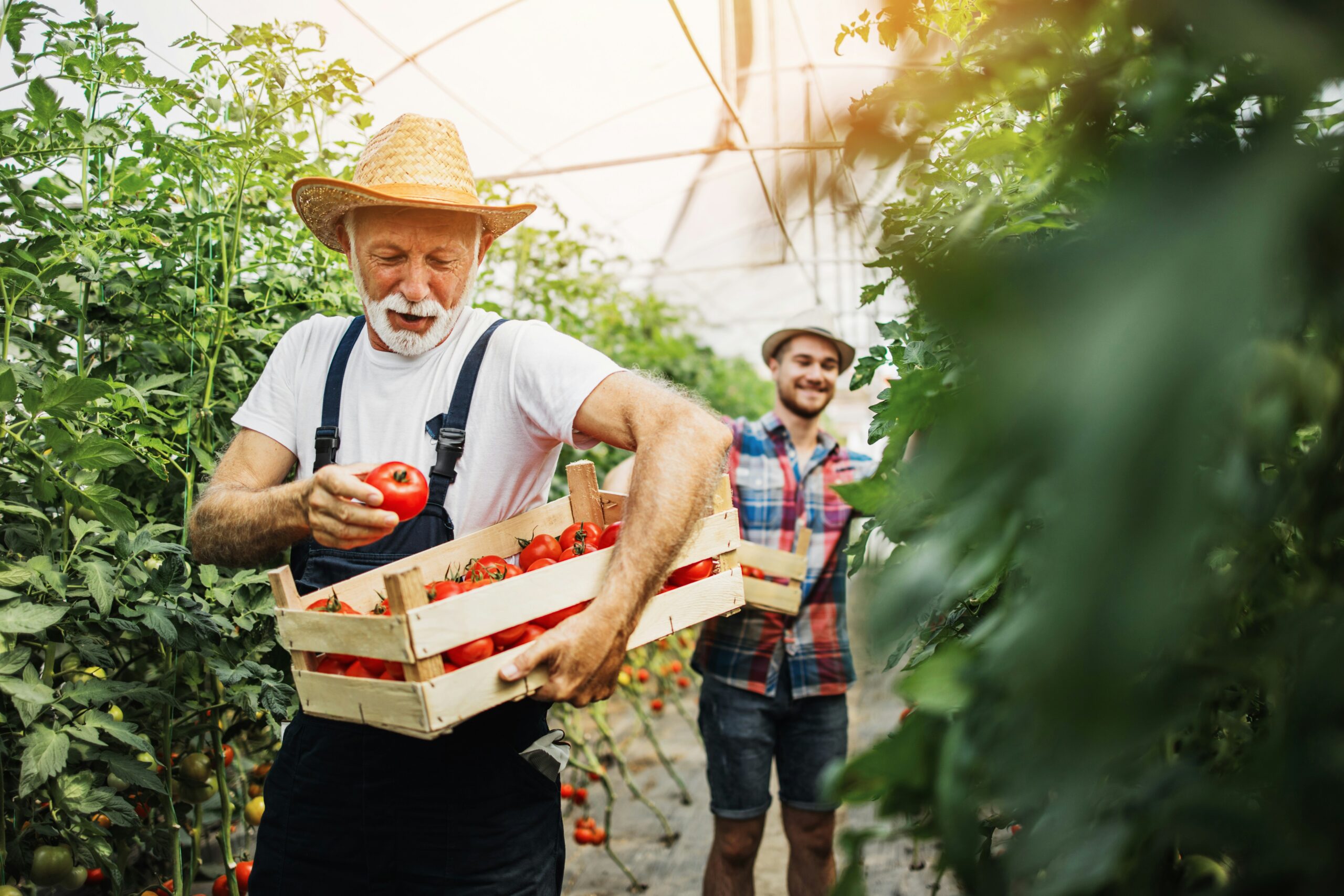
Agriculture is no longer limited to traditional tools, manual observation, and seasonal guesswork. It is rapidly transforming into a data-driven industry where real-time information guides nearly every decision on the farm. From planting schedules to irrigation timing and harvest predictions, technology is reshaping how food is produced, managed, and delivered.
This shift is driven by a growing need to produce more food with fewer resources while facing climate instability, water shortages, and rising global demand. Modern farming now depends on precision, efficiency, and intelligent systems that connect field conditions with digital insights.
The concept of “data meeting the dirt” reflects this transformation, where physical farming operations are enhanced by digital intelligence, sensors, and automation.
Precision Farming as the Foundation of Modern Agriculture
Precision farming has become one of the most important developments in agricultural technology. Instead of treating an entire field as a uniform space, precision agriculture allows farmers to manage crops based on variations within specific zones.
Soil conditions, moisture levels, nutrient content, and crop health can vary significantly even within the same field. Precision tools help identify these differences and apply inputs such as water, fertilizer, and pesticides only where needed.
This targeted approach improves productivity while reducing waste. It also lowers operational costs and minimizes environmental impact by avoiding excessive use of agricultural chemicals.
GPS-guided machinery and digital mapping systems allow farmers to plant and harvest with extreme accuracy. These technologies reduce overlap, improve efficiency, and ensure consistent crop management across large areas.
Precision farming is not just a technological upgrade. It is a fundamental shift in how agriculture understands and interacts with land.
Smart Sensors and Real-Time Field Monitoring
One of the most powerful advancements in modern agriculture is the use of smart sensors. These devices are placed in soil, irrigation systems, and crop environments to continuously collect data on key conditions.
Soil moisture sensors help determine when irrigation is truly needed, preventing both overwatering and drought stress. Nutrient sensors measure soil composition and guide fertilizer application decisions.
Weather monitoring systems installed on farms provide localized forecasts that are far more accurate than general regional predictions. This allows farmers to prepare for temperature changes, rainfall events, and extreme weather conditions.
Real-time monitoring reduces uncertainty in farming operations. Instead of relying on periodic field checks, farmers can now access continuous updates about their crops and soil conditions from digital dashboards.
This level of visibility improves decision-making and helps prevent small issues from turning into major losses.
Artificial Intelligence and Predictive Farming Models
Artificial intelligence is playing an increasingly important role in agriculture. AI systems process large volumes of farm data and generate insights that support better planning and forecasting.
These systems can analyze historical yield data, weather patterns, soil conditions, and market trends to predict future crop performance. This allows farmers to make more informed decisions about planting times, crop selection, and resource allocation.
Machine learning algorithms also help detect early signs of plant disease or pest infestations by analyzing images captured by drones or field cameras. Early detection enables faster intervention and reduces crop damage.
Predictive models can even estimate market demand, helping farmers decide when to harvest and sell their produce for optimal profit.
AI is turning agriculture into a more proactive and predictive industry rather than a reactive one.
Automation and Robotics in Field Operations
Labor shortages and rising production costs have increased the demand for automation in agriculture. Robotics and automated systems are now handling many repetitive and labor-intensive farming tasks.
Autonomous tractors equipped with GPS and sensor technology can plant seeds, spray fertilizers, and harvest crops with high precision. These machines operate continuously and reduce dependency on manual labor.
Robotic harvesters are especially valuable in fruit and vegetable farming. They use visual recognition systems to identify ripe produce and collect it without damaging crops.
Automated irrigation systems also play a critical role in modern farming. These systems adjust water distribution based on real-time soil and weather data, ensuring optimal hydration levels for crops.
Automation increases efficiency, reduces human error, and allows farms to operate at a larger scale with consistent performance.
Drone Technology and Aerial Agricultural Intelligence
Drones have become essential tools in modern farming operations. Equipped with high-resolution cameras and multispectral sensors, drones provide detailed aerial views of agricultural land.
They help farmers monitor crop health, detect irrigation problems, and identify pest infestations at an early stage. This bird’s-eye perspective allows for faster diagnosis of field issues.
Drones are also used for crop spraying, planting assistance, and field mapping. Their ability to cover large areas quickly makes them valuable for both small and large-scale farms.
Aerial data collected by drones is often integrated with farm management software, creating a complete digital overview of agricultural operations.
This combination of aerial intelligence and ground-level data enhances decision-making accuracy.
Data Integration and Farm Management Systems
Modern farms generate vast amounts of data from multiple sources, including sensors, machinery, weather stations, and supply chain systems. Managing this information effectively requires integrated digital platforms.
Farm management systems centralize all agricultural data into a single dashboard. Farmers can track crop performance, monitor equipment, analyze expenses, and evaluate productivity in real time.
These platforms improve communication between different parts of agricultural operations. Agronomists, farm managers, suppliers, and analysts can all access the same information, improving coordination and efficiency.
Data integration helps turn fragmented information into meaningful insights that support long-term planning and operational optimization.
Sustainable Agriculture Through Technology
Technology is not only improving productivity but also supporting sustainability in agriculture. Precision systems reduce excessive use of water, fertilizer, and pesticides, lowering environmental impact.
Smart irrigation systems conserve water by delivering it only when and where it is needed. Soil monitoring technologies help maintain soil health by preventing over-fertilization and nutrient imbalance.
Energy-efficient machinery and renewable energy systems are also becoming more common on modern farms. Solar-powered equipment and bioenergy solutions reduce dependence on fossil fuels.
Sustainable farming practices supported by technology help protect natural resources while maintaining high production levels.
Challenges in Technology Adoption for Farming
Despite its advantages, tech-driven agriculture faces several challenges. High equipment costs can make advanced systems difficult for small and medium-sized farms to adopt.
Technical knowledge is also required to operate digital tools effectively. Farmers must learn how to interpret data and manage complex systems.
In some rural areas, limited internet connectivity restricts access to cloud-based platforms and real-time monitoring systems.
Cybersecurity is another growing concern as farms become more dependent on digital infrastructure.
Addressing these challenges is essential for ensuring that agricultural innovation remains accessible and effective across all regions.
The Future of Smart Agriculture
The future of agriculture will be defined by deeper integration between physical farming practices and digital intelligence. Artificial intelligence, automation, robotics, and real-time data systems will continue to evolve and become more widely used.
Farms will increasingly operate as interconnected ecosystems where every decision is guided by accurate, timely information. This will lead to higher efficiency, better sustainability, and improved food security.
As global demand for food continues to rise, technology will play a central role in ensuring that agriculture remains productive, resilient, and environmentally responsible.
The transformation of farming is not just about innovation. It is about building a smarter, more sustainable future where data and agriculture work together seamlessly.