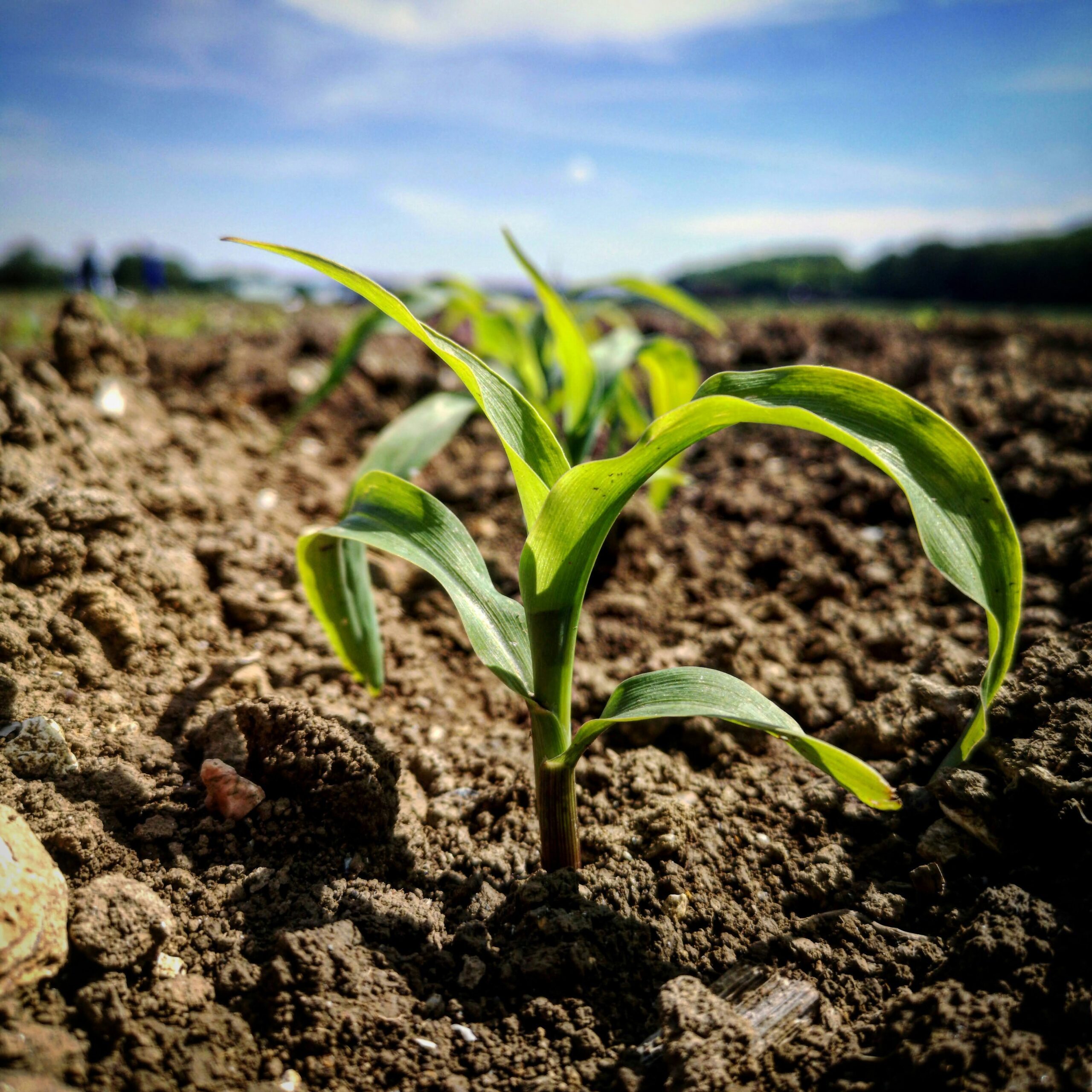
Agriculture has always depended on the land, but today it increasingly depends on data as well. Farmers still rely on experience, seasonal cycles, and deep knowledge of soil behavior, yet they now combine that wisdom with advanced digital systems. Because of this blend, modern agriculture has shifted from purely physical labor to a more analytical, technology-driven industry. Fields are no longer worked solely by hand or by machine, but are also guided by information from sensors, satellites, and software platforms.
At the same time, global pressures continue to reshape how food is produced. Population growth, climate change, and supply chain demands require farmers to produce more food with fewer resources. Therefore, technology is no longer optional in many agricultural systems. Instead, it has become a core part of how farmers protect yields, reduce waste, and manage uncertainty in an increasingly complex environment.
Smart Soil Monitoring and Precision Insight
Soil is the foundation of agriculture, and modern technology has enabled us to understand soil conditions with remarkable precision. Sensors placed in fields now measure moisture levels, nutrient content, temperature, and pH balance in real time. Because of this constant feedback, farmers can see exactly what their soil needs, rather than relying on general estimates or visual inspection alone.
In addition, smart soil systems allow farmers to respond quickly to changing conditions. When moisture levels drop below optimal levels, irrigation systems can automatically activate or alert farmers to take action. When nutrient levels become unbalanced, targeted fertilizer application can correct the issue without affecting the entire field. As a result, soil management becomes more efficient, more accurate, and more environmentally responsible.
Data-Driven Decision Making in the Field
Modern farming increasingly depends on data to guide everyday decisions. Farmers collect information from weather models, satellite imagery, equipment sensors, and soil monitoring systems. Because all of these inputs work together, they create a detailed picture of farm performance that was not possible in earlier generations. This level of insight helps farmers reduce uncertainty and improve outcomes across the growing season.
Moreover, digital platforms now organize and analyze this data to support better planning. Farmers can track crop development over time, compare field performance, and identify patterns that influence yield. Transitioning from reactive decisions to proactive strategies allows producers to anticipate problems before they escalate. Consequently, data-driven farming improves both efficiency and long-term productivity.
Satellite Imaging and Aerial Farm Intelligence
Satellite technology has become a powerful tool in modern agriculture by providing large-scale views of crop health and field conditions. These images allow farmers to observe plant growth patterns, detect stress areas, and evaluate irrigation effectiveness across entire farms. Because satellites capture consistent updates, farmers gain a broader understanding of how their fields perform over time.
At the same time, satellite imaging works hand in hand with drone technology to provide both macro and micro perspectives. While satellites offer wide-area monitoring, drones deliver close-up analysis of specific problem zones. Together, these technologies give farmers a complete view of their operations. As a result, they can make more accurate decisions about planting, fertilizing, and harvesting.
Automation and the Modern Farming Workforce
Automation has reshaped agricultural labor by introducing machines that perform tasks with high precision and minimal human intervention. Tractors now use GPS guidance to plant crops in perfectly aligned rows, while automated harvesters reduce waste and improve speed during harvest season. Because these systems operate with consistent accuracy, they reduce errors that can occur with manual labor.
In addition, automation helps address labor shortages that affect many agricultural regions. Farming often requires intense seasonal labor, and finding enough workers can be difficult. Automated systems fill this gap by handling repetitive tasks more efficiently. As a result, farmers can maintain productivity levels even when human labor is limited or unavailable.
Smart Irrigation and Water Efficiency
Water management remains one of the most important challenges in agriculture, especially in areas experiencing drought or irregular rainfall. Smart irrigation systems now help farmers use water more efficiently by adjusting watering schedules based on real-time soil and weather data. Because these systems respond dynamically, they prevent both overwatering and underwatering.
Furthermore, efficient irrigation improves crop health while reducing environmental impact. Excess water usage not only wastes resources but can also lead to soil erosion and nutrient loss. On the other hand, insufficient water can reduce yields and weaken crops. Smart systems help maintain balance by delivering water only when and where it is needed, which strengthens both productivity and sustainability.
Artificial Intelligence and Predictive Farming
Artificial intelligence has introduced new possibilities in agriculture by analyzing complex data and generating predictive insights. AI systems can study weather trends, soil conditions, pest activity, and historical yield data to forecast future outcomes. Because these systems process large datasets quickly, they help farmers make faster and more informed decisions.
In addition, AI improves risk management by identifying potential problems before they become serious. For example, machine learning models can detect early signs of disease or pest infestation through image recognition and sensor data. This early detection allows farmers to respond proactively rather than reactively. Consequently, AI strengthens both crop protection and overall farm resilience.
Sustainable Farming Through Digital Innovation
Sustainability has become a major focus in agriculture, and technology plays a key role in achieving it. Precision tools reduce the overuse of fertilizers and pesticides by targeting only specific areas that require treatment. This reduces chemical runoff, protects soil health, and lowers environmental damage. At the same time, smart systems help conserve water and energy resources across farming operations.
Moreover, digital agriculture supports long-term soil health by promoting more effective crop rotation and nutrient management. Because farmers can track field performance over time, they can make more informed decisions about how to maintain soil fertility. As a result, technology not only improves current yields but also protects the future productivity of farmland.
Financial Impact of Agricultural Technology
Technology in agriculture also brings significant financial benefits by increasing efficiency and reducing waste. Farmers who use precision tools often spend less on fertilizer, water, and fuel because resources are applied more accurately. In addition, improved crop yields and reduced losses help increase overall profitability. Therefore, technology directly contributes to stronger financial outcomes for agricultural operations.
At the same time, digital systems help farmers make smarter marketing decisions. By analyzing market trends and production forecasts, farmers can choose better times to sell their crops. This flexibility allows them to respond to price fluctuations more effectively. Consequently, technology not only improves farming operations but also strengthens financial planning and market strategy.