Farming is no longer just about soil, seeds, and sunlight. Technology is transforming how farmers grow and manage crops. Digital tools allow farmers to monitor their fields in real time, predict outcomes, and make smarter decisions. The shift toward digital farming is making operations more efficient and sustainable.
This transformation is not limited to large commercial farms. Small and mid-sized farms are also benefiting from technology. Sensors, apps, and connected devices help farmers track growth, soil moisture, and weather conditions. The rise of digital farming is helping all kinds of farmers improve productivity while protecting resources.
Precision Tools for Smarter Decisions
Precision farming allows farmers to apply the right resources in the right places. Sensors and GPS technology help identify variations in soil and crop health. Farmers can use this data to water crops efficiently and apply fertilizers only where needed.
The accuracy of these tools reduces waste and lowers costs. Farmers can make informed choices rather than rely on guesswork. This approach ensures better yields and healthier crops. Precision technology is changing farming into a more scientific and reliable practice.
Monitoring Fields with Drones
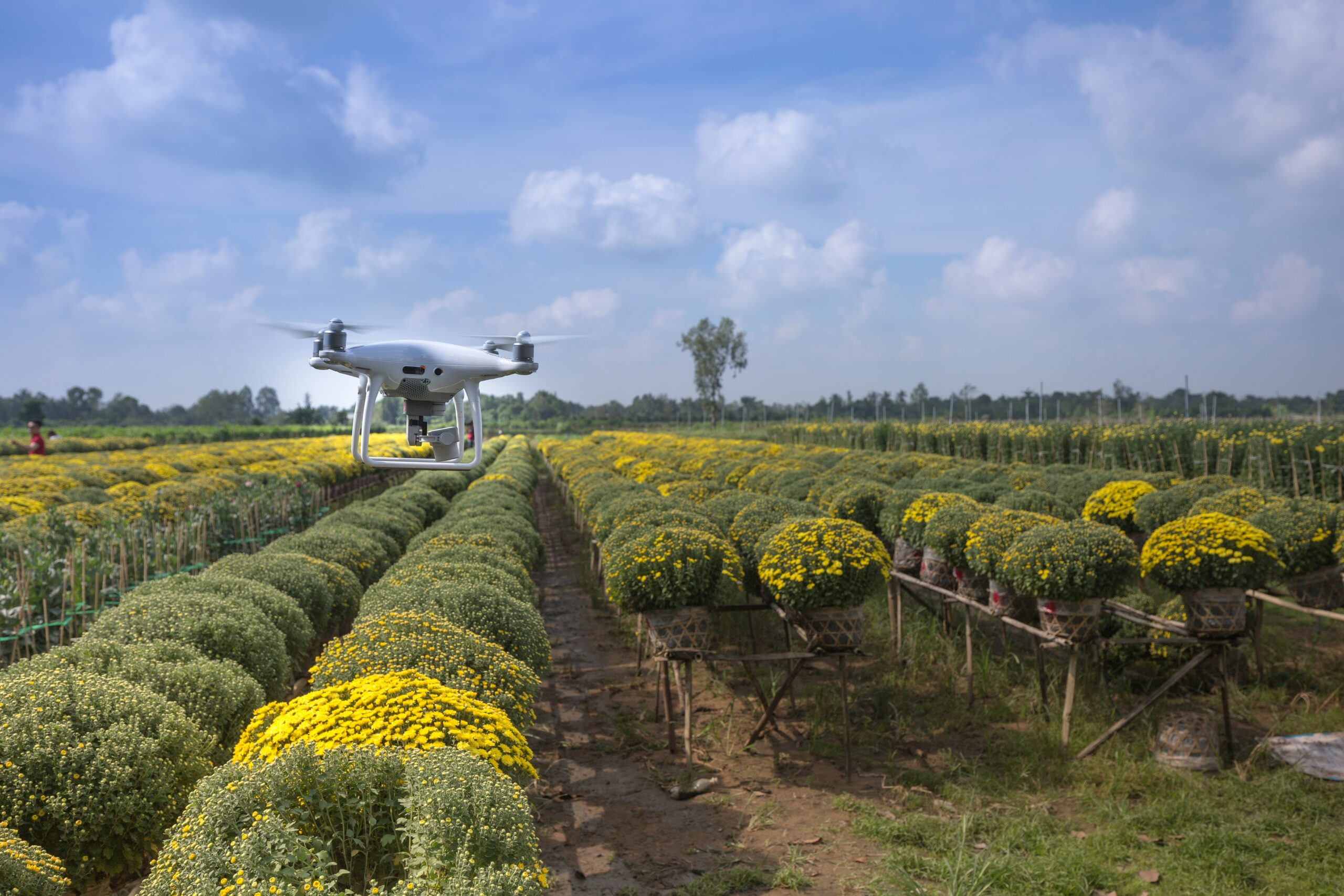
Drones are transforming the way farmers view and manage their fields. They can capture high-resolution images that reveal crop health, soil conditions, and water distribution. These aerial views make it easier to spot early problems that may go unnoticed from the ground.
Farmers can cover large areas in a fraction of the time it would take to do so manually. They can quickly detect pests, nutrient deficiencies, and irrigation issues. Drones help farmers respond faster, saving time and protecting crops. This technology improves both productivity and efficiency.
Smart Irrigation for Water Efficiency
Water is a precious resource, and smart irrigation systems help farmers use it wisely. Sensors monitor soil moisture and weather conditions, ensuring crops receive the right amount of water at the right time.
Remote controls allow farmers to adjust irrigation schedules from their devices. This reduces overwatering and prevents water stress in plants. Smart irrigation helps save water while keeping crops healthy, making farming more sustainable and efficient.
Robotics and Automation in Daily Farming
Robots are handling many repetitive tasks on farms. Planting, weeding, and harvesting can now be done with machines that work faster and more accurately than humans. Automation reduces labor costs and increases consistency in results.
Machines also operate efficiently without tiring, which ensures steady productivity throughout the growing season. Farms that adopt robotics can handle larger areas with fewer resources. Automation is making farming faster, more precise, and less dependent on manual labor.
Using Artificial Intelligence to Predict and Plan
Artificial intelligence is helping farmers make proactive decisions. AI systems analyze data from sensors, drones, and weather forecasts to predict crop growth and potential problems. Farmers can plan and avoid risks before they happen.
Predictive insights also improve resource management. Farmers can optimize water usage, fertilizer applications, and planting schedules. AI turns raw data into clear action steps, reducing uncertainty and increasing productivity.
Sustainability Through Technology
Digital farming supports sustainable practices by reducing waste and improving resource management. Precision tools, smart irrigation, and AI help minimize unnecessary chemical and water use. Crops grow healthier while the environmental footprint shrinks.
Technology also helps maintain soil health. By monitoring soil nutrients and moisture, farmers can adjust their practices to prevent depletion and erosion. Sustainable farming powered by digital innovations ensures long-term productivity and preserves the land for future generations.
The Future of Digital Agriculture
The future of farming is digital. Emerging technologies will continue to make farming smarter and more connected. The Internet of Things, data analytics, and advanced monitoring systems will guide farmers toward better decisions every day.
Farmers who adopt these innovations will be prepared for a growing population and changing climate. Digital farming makes operations more productive, efficient, and sustainable. The rise of technology in agriculture is not just a trend; it is the foundation of a stronger, more resilient food system for tomorrow.