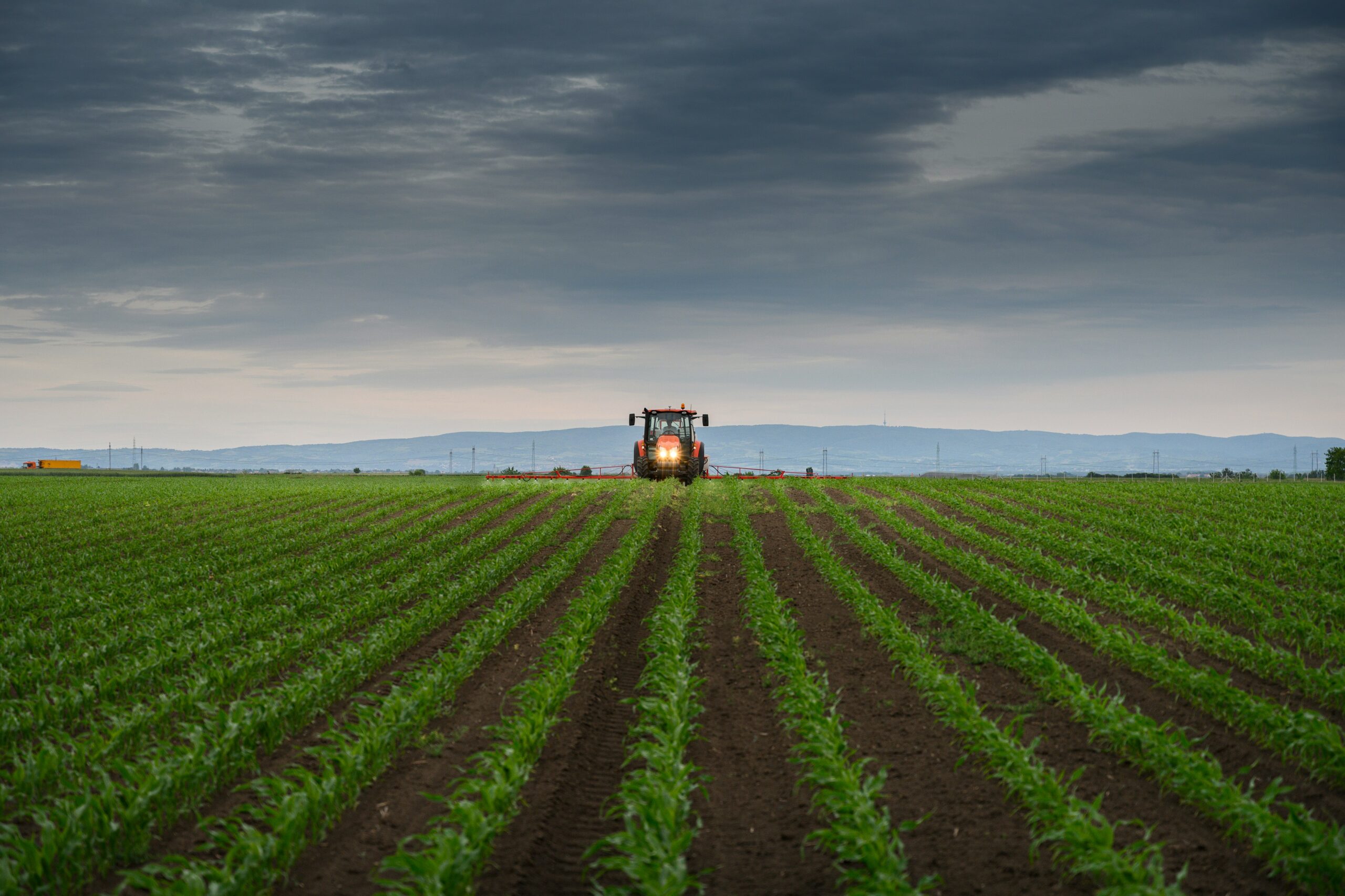
Precision agriculture is reshaping modern farming by turning traditional field management into a highly data-driven process. Instead of treating entire fields uniformly, farmers now use advanced technologies to observe, measure, and respond to variations within their land. This approach allows for smarter decision-making that improves productivity, reduces waste, and enhances sustainability.
By integrating sensors, satellites, GPS systems, and analytics tools, precision agriculture helps farmers understand exactly what is happening in their fields in real time. The result is a more efficient use of resources such as water, fertilizers, and pesticides, along with improved crop health and yield consistency across growing seasons.
The Foundations of Precision Agriculture
Precision agriculture is built on the idea that every part of a field can behave differently due to variations in soil type, moisture levels, elevation, and nutrient availability. Instead of applying a single treatment across an entire farm, farmers can now tailor their actions to the specific needs of each zone. This shift from uniform management to site-specific management is what makes precision agriculture so effective.
At its core, this farming method relies on data collection and interpretation. Information gathered from field sensors, satellite imagery, and machinery is transformed into actionable insights. These insights help farmers decide when to plant, irrigate, fertilize, and harvest, ultimately improving both efficiency and profitability.
Data Collection Technologies in Modern Farming
Modern precision agriculture depends heavily on a wide range of data collection technologies. Soil sensors, weather stations, drones, and satellite imaging systems continuously gather information about field conditions. These tools monitor variables such as soil moisture, temperature, crop growth rates, and pest activity, providing farmers with a detailed and constantly updated view of their land.
The value of this data lies in its ability to offer real-time insights. For example, drones equipped with multispectral cameras can detect early signs of crop stress that are invisible to the human eye. Similarly, in-field sensors can alert farmers when soil moisture drops below optimal levels, allowing for timely irrigation and preventing yield loss.
GPS and GIS Mapping for Field Accuracy
Global Positioning System (GPS) and Geographic Information Systems (GIS) play a crucial role in precision agriculture by enabling accurate mapping and navigation of farmland. GPS-guided tractors and machinery ensure that planting, spraying, and harvesting are carried out with minimal overlap and maximum efficiency. This reduces input waste and ensures consistent crop spacing across large fields.
GIS mapping takes this further by layering different types of data onto digital field maps. Farmers can visualize soil composition, elevation changes, and crop performance trends in a single interface. These maps help identify underperforming zones and enable targeted interventions to improve overall farm productivity.
Soil and Crop Monitoring for Better Yield Control
Soil and crop monitoring is one of the most important aspects of precision agriculture because it directly affects plant health and yield potential. By using soil probes and remote sensing tools, farmers can track nutrient levels, pH balance, and moisture content throughout the growing season. This ensures that crops receive exactly what they need at the right time.
Crop monitoring technologies also help detect diseases, pests, and nutrient deficiencies at an early stage. When issues are identified quickly, farmers can take precise corrective actions instead of applying broad treatments across the entire field. This not only improves crop health but also reduces chemical usage and environmental impact.
Data Analytics and Decision Making in Farming
Data analytics transforms raw agricultural data into meaningful insights that guide farm management decisions. Advanced software platforms process large volumes of information collected from various sources and identify patterns that may not be visible through manual observation. These insights help farmers optimize planting schedules, predict yields, and manage risks more effectively.
Machine learning models are increasingly being used to improve decision-making accuracy. These systems can analyze historical data alongside real-time inputs to forecast weather impacts, pest outbreaks, and market conditions. As a result, farmers are better equipped to make proactive decisions that enhance productivity and reduce uncertainty.
Smart Irrigation and Resource Optimization
One of the most impactful applications of precision agriculture is smart irrigation. By using soil moisture sensors and weather data, irrigation systems can automatically adjust water delivery based on actual crop needs. This prevents both overwatering and underwatering, ensuring that crops receive optimal hydration throughout their growth cycle.
Resource optimization extends beyond water management to include fertilizers, pesticides, and fuel usage. Variable rate technology allows farmers to apply inputs only where they are needed and in precise amounts. This reduces costs, minimizes environmental impact, and supports more sustainable farming practices overall.
The Future of Precision Agriculture and Data Integration
The future of precision agriculture lies in the deeper integration of artificial intelligence, automation, and real-time data processing. As technology continues to evolve, farms are expected to become increasingly autonomous, with machines capable of making independent decisions based on continuous data streams. This will further enhance efficiency and reduce the need for manual intervention.
In the coming years, connectivity between devices, often referred to as the Internet of Things in agriculture, will become even more advanced. Farms will operate as interconnected ecosystems where sensors, machinery, and software platforms communicate seamlessly. This level of integration will enable unprecedented control over farm performance and resource management, helping farmers meet the growing global demand for food more sustainably.