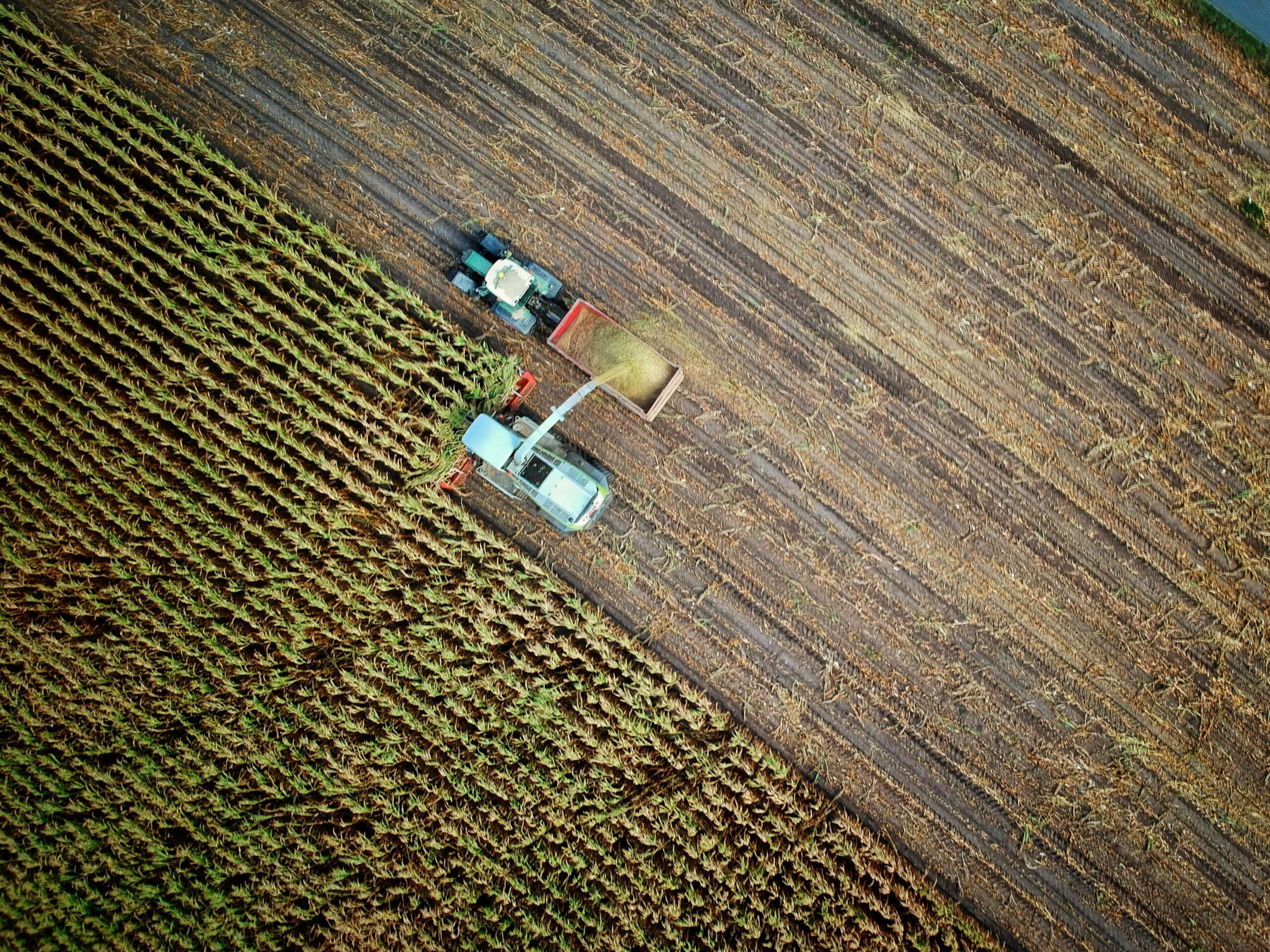
Future proof farming starts with a simple idea: you plan for more than just this season. Many growers now realize that short-term gains often create long-term problems. Therefore, they shift their attention toward systems that protect soil, water, and income over time.
In many regions, climate patterns have become less predictable. As a result, farmers must adapt more quickly and think more carefully about the future. For example, growers in the Midwest now track rainfall changes earlier in the season to adjust planting schedules. This approach reduces risk and improves consistency across harvests.
Moreover, sustainable agriculture practices are no longer optional. They help farmers stay productive while also protecting natural resources. When farms stay healthy, communities also benefit from a stable food supply and reduced environmental damage.
Building stronger soil as the foundation of resilience
Healthy soil supports everything in farming, from crop yield to water retention. However, many lands suffer from years of overuse and chemical dependency. Therefore, rebuilding soil health has become a top priority.
Farmers now use compost, cover crops, and reduced tillage to improve soil structure. In addition, these methods help increase organic matter and reduce erosion. A vegetable farm in California, for instance, uses winter cover crops to protect soil from heavy rain damage. As a result, they notice better growth in spring planting seasons.
Furthermore, soil regeneration techniques help farmers reduce input costs over time. As soil naturally becomes richer, farmers rely less on synthetic fertilizers. Consequently, they save money while improving long-term productivity.
Smarter water use in a changing climate
Water scarcity affects many farming regions today. Therefore, efficient water use has become essential for long-term survival. Farmers now combine traditional irrigation knowledge with modern tools to improve results.
For example, drip irrigation systems deliver water directly to plant roots. This reduces evaporation and prevents waste. In India, many farmers now adopt drip systems for cotton and vegetable crops. As a result, they use less water while maintaining strong yields.
In addition, water conservation farming strategies include rainwater harvesting and moisture sensors. These tools help farmers understand exactly when crops need water. Consequently, they avoid overwatering and protect groundwater reserves for future use.
Crop diversity for stronger farm stability
Relying on a single crop can create financial and environmental risks. Therefore, many farmers now grow multiple crops to balance their income and reduce vulnerability.
Crop rotation improves soil health and breaks pest cycles. Meanwhile, intercropping allows farmers to use land more efficiently. For instance, a farmer might grow corn alongside beans, which naturally enrich the soil with nitrogen.
Moreover, crop diversification strategies protect farmers from market changes. If one crop price drops, another can support income stability. As a result, farms become more resilient and less dependent on unpredictable markets.
Technology as a farming partner, not a replacement
Modern tools now play a major role in agriculture. However, they work best when they support human decision-making rather than replace it. Farmers use data to guide actions, but experience still leads the way.
Smart sensors track soil conditions, weather patterns, and crop growth. In addition, mobile apps allow farmers to monitor fields remotely. A wheat farmer in Kansas, for example, uses a mobile dashboard to track field moisture levels daily.
Furthermore, precision farming technology improves efficiency by reducing fertilizer and pesticide waste. Since farmers apply inputs more accurately, they protect both the environment and their budgets. Therefore, technology becomes a helpful partner in daily operations.
Reducing waste across the entire farm system
Waste reduction plays a major role in sustainable farming. Every stage of production offers opportunities to save resources and improve efficiency.
Farmers now compost crop waste rather than burning it. This practice returns nutrients to the soil and reduces pollution. In addition, many farms recycle water used in cleaning or irrigation systems.
Moreover, farm resource efficiency helps reduce operating costs. When farmers reuse materials and optimize inputs, they improve profits while lowering environmental impact. As a result, sustainability and profitability work together rather than compete.
Strengthening biodiversity for natural protection
Healthy farms depend on more than just crops. They also rely on insects, birds, and soil organisms that help maintain the natural balance. Therefore, many farmers now focus on improving biodiversity.
Planting hedgerows, wildflower strips, and buffer zones encourages beneficial insects. These insects help control pests naturally, which reduces the need for chemical sprays. For example, apple orchards in Washington use flowering plants to attract pollinators, which improves fruit quality.
In addition, agroecological systems support long-term stability by working with nature rather than against it. As a result, farms become more self-sustaining and less dependent on external inputs.
Stronger local markets and direct connections
Farm success depends not only on production but also on access to markets. Therefore, many farmers now build direct relationships with consumers and businesses.
Farmers’ markets, cooperatives, and online platforms help shorten supply chains. In addition, these systems allow farmers to earn fairer prices for their products. A dairy farmer in Vermont, for example, now sells cheese directly to local restaurants, which increases profit margins.
Furthermore, local food systems improve transparency and trust. Consumers know where their food comes from, and farmers receive direct feedback. Consequently, both sides benefit from stronger connections and better quality products.
Planning with climate awareness and adaptability
Climate change continues to influence farming decisions worldwide. Therefore, adaptability has become a key skill for modern agriculture.
Farmers now study long-term weather patterns and use climate forecasts to plan planting and harvesting. In addition, they adjust crop choices based on seasonal risks. For instance, some growers switch to drought-resistant crops during dry years.
Moreover, climate-smart agriculture helps farmers reduce risk while maintaining productivity. When farmers prepare for changing conditions, they avoid major losses and protect long-term stability. As a result, resilience becomes part of everyday planning.
building farming systems that last
Future proof farming depends on steady improvement rather than sudden change. Therefore, farmers focus on soil health, water efficiency, biodiversity, and smart technology. Each of these elements strengthens the system as a whole.
In addition, long-term sustainability works best when farmers combine experience with innovation. When they adapt carefully and plan, they create farms that remain productive for generations.
Ultimately, the goal is simple. Farmers want to grow food, protect the land, and secure their future simultaneously. With the right strategies, they can achieve all three while building a stronger agricultural world.