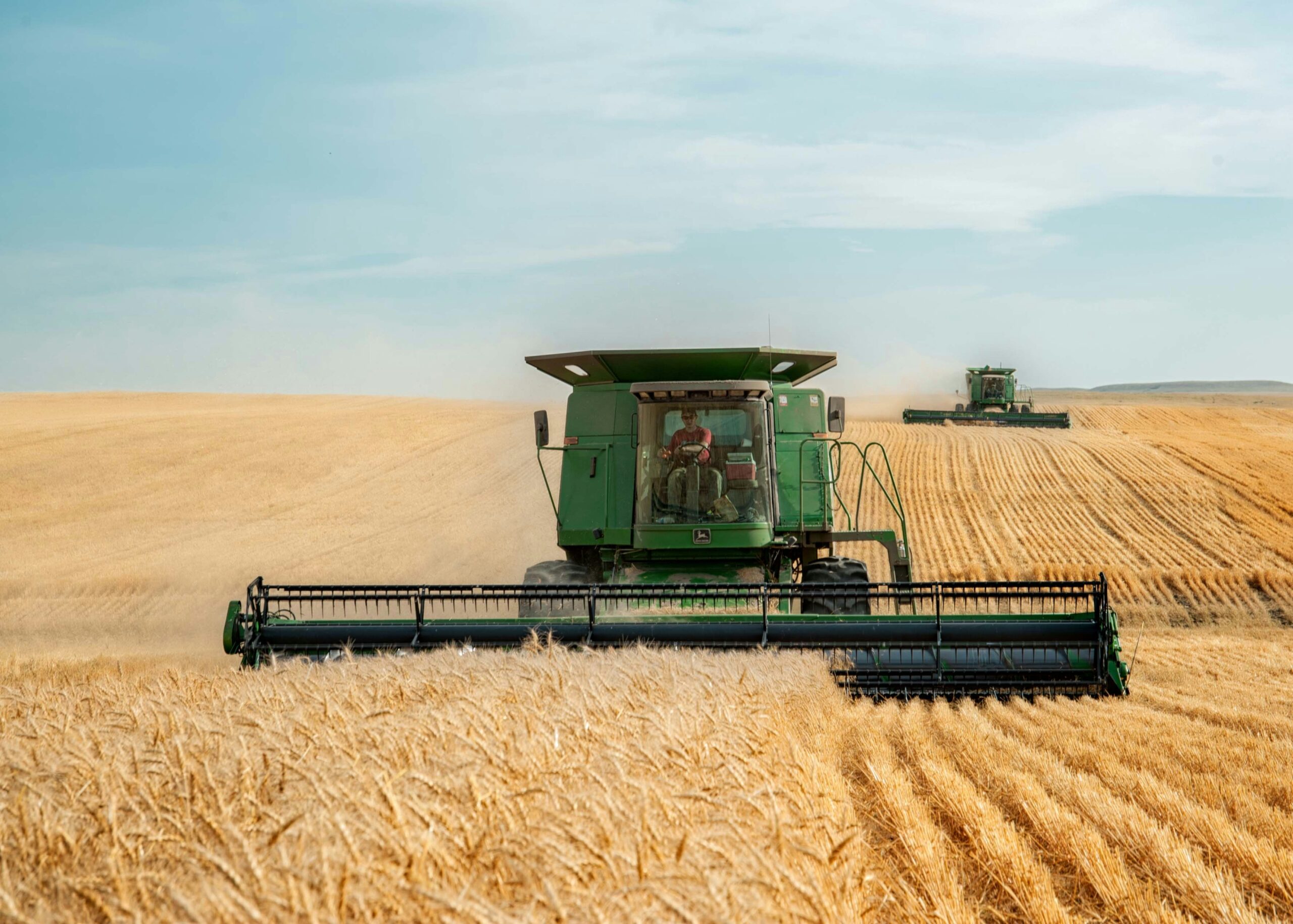
The agricultural industry continues to evolve rapidly, and grain farming stands at the center of this transformation. Farmers today face growing pressure to produce more food while managing rising costs, changing weather conditions, labor shortages, and increasing market competition. Fortunately, grain production technology provides powerful solutions that help producers meet these challenges while improving efficiency and profitability.
Modern grain farming no longer depends solely on traditional methods and experience. Instead, farmers use advanced tools, digital platforms, data analytics, and automated systems to make informed decisions throughout the growing season. These innovations help producers increase yields, reduce waste, and strengthen financial performance. As grain production technology becomes more accessible, it continues to reshape the future of agriculture and create new opportunities for sustainable growth.
The Growing Importance of Grain Production Technology
Technology has become one of the most valuable assets in modern agriculture. Farmers must balance productivity with profitability while responding to changing market demands. Grain production technology allows producers to monitor field conditions, optimize resources, and improve operational efficiency.
As a result, farms can make better use of available land, labor, water, and inputs. Instead of relying solely on estimates, farmers can access real-time information that supports accurate decision-making. This shift helps reduce uncertainty and creates stronger opportunities for long-term success.
Precision Agriculture Changes Field Management
Precision agriculture represents one of the most important developments in grain farming. This approach uses GPS technology, sensors, mapping tools, and data analysis to manage fields with greater accuracy. Farmers can identify differences within fields and apply resources exactly where crops need them.
Because every part of a field may have unique conditions, precision agriculture helps avoid unnecessary input use. Farmers can reduce fertilizer waste, improve planting accuracy, and manage crop health more effectively. Consequently, they often achieve higher yields while controlling costs.
GPS Guided Equipment Improves Efficiency
GPS technology has transformed how farmers operate machinery. Modern tractors, planters, sprayers, and harvesters use guidance systems that improve accuracy during field operations. These systems help reduce overlap and minimize missed areas during planting and application activities.
In addition, GPS guidance reduces fuel consumption and saves valuable time. Operators can complete tasks more efficiently while maintaining consistent field coverage. Therefore, farms benefit from lower operating expenses and improved productivity throughout the growing season.
Drones Support Better Crop Monitoring
Drones have become an important tool in grain production technology. Farmers use drones to capture detailed images of fields and monitor crop development from above. These aerial views help identify issues that may not be visible from the ground.
For example, drones can reveal pest activity, disease outbreaks, nutrient deficiencies, and irrigation problems early in the season. Early detection allows farmers to take corrective action before problems spread. As a result, crop losses decrease, and profit potential improves.
Data Analytics Strengthens Decision Making
Modern farms generate large amounts of information every day. Data analytics helps farmers organize and interpret this information to support better decisions. Yield data, weather patterns, soil conditions, and market trends all contribute valuable insights.
When farmers analyze data effectively, they gain a clearer understanding of what drives performance. They can identify successful practices, address weaknesses, and allocate resources more efficiently. Therefore, data analytics has become a critical component of farm profitability.
Soil Sensors Enhance Resource Management
Soil health plays a major role in grain production. Advanced soil sensors provide real-time information about moisture levels, nutrient availability, and temperature conditions. Farmers can use this information to make more precise management decisions.
Instead of applying water or fertilizer based on estimates, producers can respond to actual field conditions. This approach improves resource efficiency while supporting healthy crop growth. Consequently, farms often experience lower input costs and stronger yields.
Smart Irrigation Improves Water Efficiency
Water management remains a major challenge for many grain producers. Smart irrigation systems use sensors, weather data, and automated controls to deliver water when crops need it most. These systems help farmers avoid both overwatering and underwatering.
Efficient irrigation reduces water waste while supporting optimal crop development. Furthermore, farmers can lower energy costs associated with pumping and distribution. Better water management directly improves farm profitability and environmental sustainability.
Automated Equipment Reduces Labor Challenges
Labor shortages continue to affect agricultural operations across many regions. Automation helps farmers address this challenge by reducing the need for manual labor. Modern machinery can perform tasks with greater consistency and efficiency than traditional equipment.
Automated systems support planting, spraying, harvesting, and grain handling activities. As labor demands decrease, farms can operate more efficiently and reduce personnel costs. This advantage becomes increasingly valuable as labor markets remain competitive.
Variable Rate Technology Maximizes Input Efficiency
Variable rate technology allows farmers to apply inputs at different rates across a field. Instead of treating every area the same way, producers can adjust applications based on specific field conditions and crop needs.
This approach improves efficiency because farmers place resources where they generate the greatest benefit. Fertilizer, seed, and crop protection products are used more effectively, reducing waste and improving return on investment. As a result, profit margins often increase.
Digital Farm Management Systems Improve Organization
Farm management software has become an essential component of grain production technology. These platforms help farmers track expenses, monitor crop performance, manage inventory, and analyze financial results. Centralized information improves business oversight and planning.
In addition, digital systems simplify record-keeping and compliance requirements. Farmers can access important information quickly and make informed decisions with greater confidence. Better organization often leads to improved operational efficiency and financial performance.
Technology Supports Sustainable Farming
Sustainability has become increasingly important in agriculture. Grain production technology helps farmers reduce environmental impact while maintaining productivity. Precision applications, efficient irrigation, and improved nutrient management all contribute to responsible resource use.
At the same time, sustainable practices often generate economic benefits. Farmers who reduce waste and improve efficiency typically lower operating costs. Therefore, technology supports both environmental stewardship and profitability.