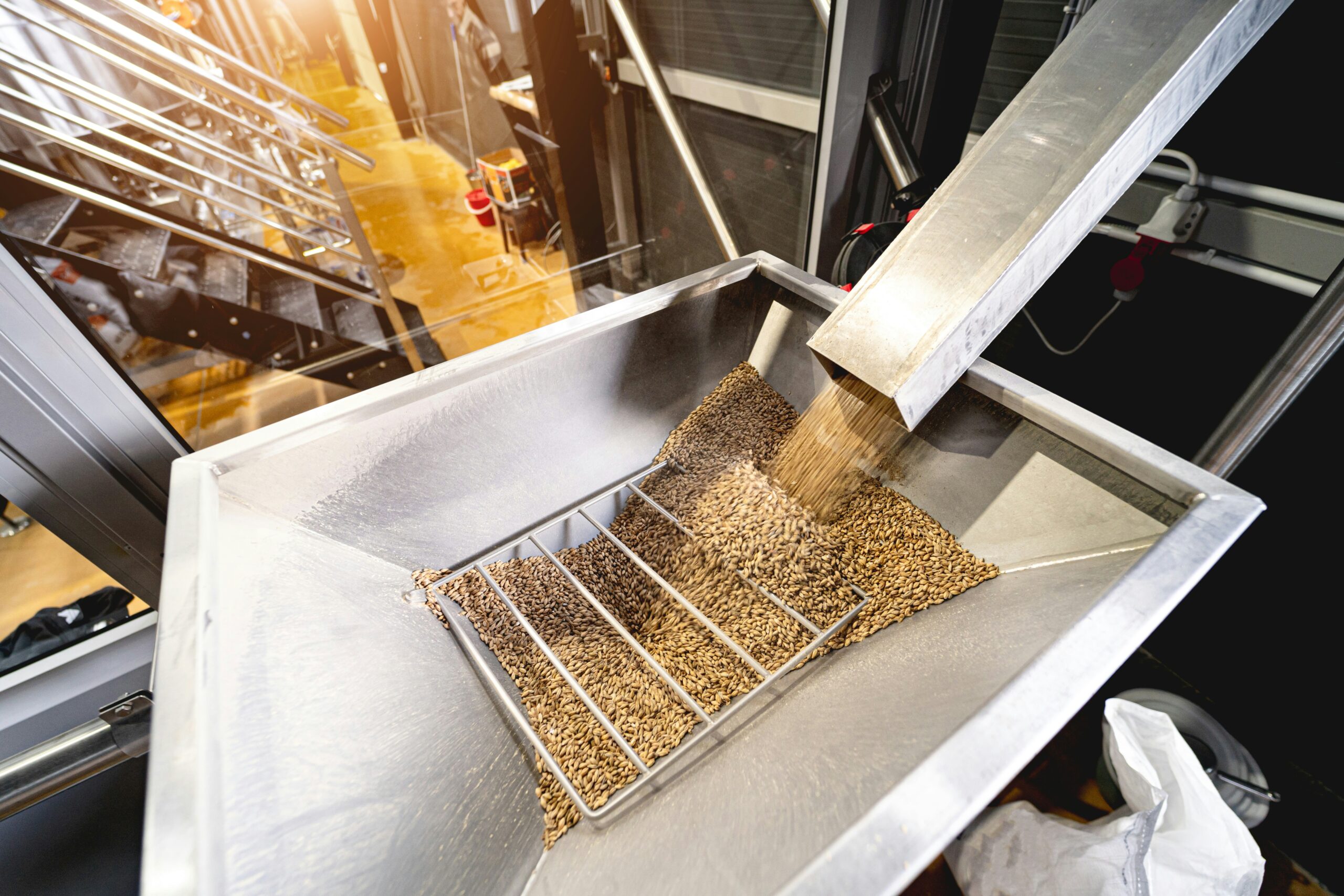
Grain is one of the most important agricultural products in the world. It feeds people, supports livestock, and drives global trade. Yet the value of grain does not depend only on how well it is grown. A large part of its quality is decided after harvest. If storage conditions are poor, even the best harvest can lose weight, taste, and market value.
Advanced storage systems are changing how farmers protect their grain. These systems help control moisture, temperature, and exposure to air. They also reduce damage from pests and environmental changes. With better storage methods, farmers can keep grain in good condition for longer and reduce losses that often happen after harvest.
The Importance of Post-Harvest Protection
Grain continues to change after harvest. It still reacts to its environment’s moisture and temperature. If not handled properly, it can degrade within days or weeks. This makes post-harvest protection just as important as the farming process itself.
Advanced storage systems are designed to slow down these natural changes. They create a stable environment that reduces stress on the grain. When conditions remain steady, grain maintains its quality and market value for longer. This helps farmers avoid sudden losses after a successful harvest.
Moisture Control as the First Line of Defense
Moisture is one of the biggest threats to stored grain. Even a small increase in moisture can lead to mold growth and spoilage. Wet grain also attracts insects, which can spread rapidly and cause significant damage. This is why controlling moisture is essential from the very beginning.
Advanced storage systems manage moisture more accurately. They help keep grain dry and stable during long-term storage. When moisture levels stay balanced, grain remains safe and usable. This simple control step plays a major role in protecting both quality and value.
Stable Temperature for Long-Term Quality
Slowly changing temperatures can slowly damage stored grain. When grain gets too warm, it can become active and begin to break down. When temperatures shift too quickly, moisture can form inside storage spaces. Both situations reduce grain quality and shorten its shelf life.
Modern storage systems help maintain steady temperatures. They reduce sudden changes and create a controlled environment. This stability protects grain from internal damage. It also helps keep grain fresh and ready for sale or processing over time.
Protection Against Pests and Contamination
Pests are a serious problem in grain storage. Insects and rodents can eat grain and contaminate large amounts quickly. Once they enter a storage area, they are difficult to control. This can lead to major losses for farmers and suppliers.
Advanced storage systems reduce the risk of pest entry. They create sealed and secure environments that block external threats. Clean conditions also make it harder for pests to survive. As a result, grain stays safer and more suitable for long-term use.
Better Air Control for Fresh Storage Conditions
Air movement plays an important role in grain preservation. Without proper airflow, heat and moisture can build up inside storage areas. This creates uneven conditions that damage grain over time. Poor air circulation can also lead to odor and quality loss.
Advanced storage systems improve air control inside storage units. They keep air circulating evenly, which helps maintain freshness. This reduces the chance of hot spots or damp areas forming. With better air control, grain remains stable and protected throughout storage.
Monitoring Systems for Real-Time Awareness
One of the biggest advantages of modern storage systems is their monitoring capabilities. Farmers no longer need to guess what is happening inside storage spaces. Sensors and digital tools now provide real-time information about conditions inside grain storage.
This allows quick action when something changes. If moisture or temperature rises, adjustments can be made immediately. Early response helps prevent damage before it spreads. Monitoring systems give farmers more control and confidence in storage management. By using modern storage methods, farmers can protect their hard work and improve profits. Grain stays fresher, safer, and more valuable for longer periods. In the end, better storage is not just a technical improvement. It is a smart investment in the future of farming and food security.
Reducing Waste and Increasing Market Value
Grain loss after harvest is a major concern for farmers worldwide. Even small amounts of spoilage can reduce profit and waste hard work. Poor storage often leads to uneven quality, which lowers the market price. This creates financial pressure on producers.
Advanced storage systems help reduce this waste. They protect grain from the main causes of damage and maintain consistent quality. When grain stays in good condition, it can be sold at better prices. This improves income and strengthens long-term farming success.
Building Long-Term Stability in Grain Storage
Storage is not only about short-term protection. It is also about long-term planning. Farmers need systems that can protect grain across seasons and changing weather conditions. Without reliable storage, achieving long-term stability becomes difficult. Advanced storage systems play a vital role in protecting grain quality and value. They control moisture, stabilize temperature, and prevent pest damage. They also improve air circulation and provide real-time monitoring. Each of these factors works together to reduce post-harvest losses.
Advanced systems are designed for long-term use and consistency. They reduce the risk of sudden losses and help maintain steady quality. This allows farmers to plan and manage their harvests more effectively. Over time, it leads to stronger financial stability.
Supporting Sustainable Agricultural Practices
Modern agriculture is moving toward more sustainable methods. Reducing waste is a key part of this goal. When grain is lost due to poor storage, it affects both income and food supply. Better storage systems help reduce this problem.
Advanced grain storage also reduces the need for repeated processing or replacement. This saves energy and resources. It also supports more efficient use of harvested crops. As a result, farming becomes more responsible and sustainable in the long run.