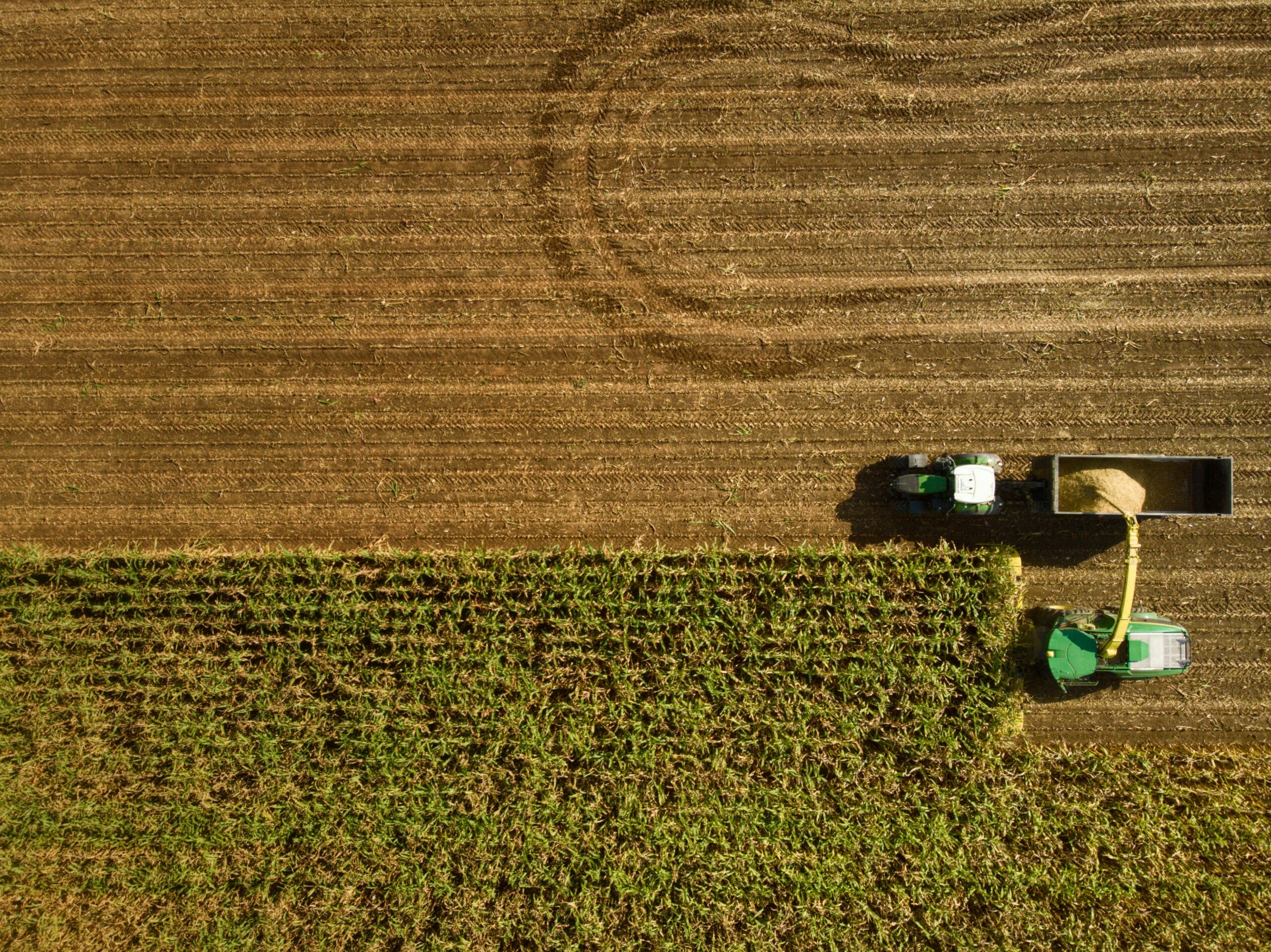
Modern farming looks very different from what it did even a decade ago. Fields now connect to satellites. Tractors follow digital maps. Farmers check crop health on their phones before they step outside. Smart agriculture is changing how food is grown, managed, and delivered across the United States.
This transformation is not about replacing farmers. It is about giving them better tools. Smart agriculture blends data, technology, and practical experience to improve decisions in the field. It helps farmers grow more with fewer resources. It also helps them respond to weather changes and market demands with greater confidence.
The Rise of Data-Driven Farming
Farmers once relied mostly on experience and observation. Today, they still use that knowledge, but they also use data. Sensors placed in the soil measure moisture levels. Weather stations track rainfall and temperature. Satellites capture images that show crop health across entire fields.
Smart agriculture is transforming modern farming in clear and practical ways. It empowers farmers with better information and sharper tools. It supports stronger yields, healthier soil, and responsible resource use. As farms continue to adopt these systems, agriculture moves toward a future that is both productive and sustainable.
Precision Tools in the Field
Modern equipment now works with digital guidance systems. Tractors use GPS to move in straight, accurate lines. This reduces overlap when planting or spraying. Farmers save fuel, time, and supplies. Even small improvements across large fields make a big difference.
Drones also play a growing role. They fly over crops and capture clear images in minutes. Farmers can spot weak areas early. They can respond before problems spread. These tools help farmers protect yields while lowering costs. Precision tools make every acre count.
Smarter Water Management
Water is one of farming’s most valuable resources. In many regions, rainfall patterns have changed. Some areas face drought, while others deal with heavy storms. Smart agriculture helps farmers manage water with care and accuracy.
Soil sensors measure moisture below the surface. Irrigation systems connect to these sensors and adjust automatically. Crops receive the right amount of water at the right time. Farmers avoid overwatering and reduce runoff. This protects both crops and nearby water sources. Smart water use supports strong harvests and long-term sustainability.
Improving Soil Health with Technology
Healthy soil supports healthy crops. Smart agriculture helps farmers better understand soil conditions. Digital maps show variations in soil type and nutrient levels across a field. Farmers can adjust their approach based on those differences.
Instead of treating an entire field the same way, they target specific areas. They add nutrients where needed and avoid excess where the soil is already rich. This careful management protects soil life and reduces waste. Over time, soil becomes more balanced and productive. Technology supports natural processes rather than replacing them.
Early Detection of Crop Stress
Crops often show signs of stress before problems become visible. Smart imaging tools detect subtle changes in color and growth. These changes may signal disease, pest activity, or nutrient shortages. Farmers receive alerts and can quickly inspect affected areas.
Early action prevents small issues from turning into major losses. Farmers use fewer chemicals because they treat only the necessary areas. This approach saves money and reduces environmental impact. It also improves crop quality. Healthier plants produce better yields and stronger returns.
Supporting Livestock with Smart Systems
Smart agriculture extends beyond crops. Livestock farmers also benefit from digital tools. Wearable sensors track animal movement, feeding patterns, and health indicators. Farmers receive updates if an animal shows signs of illness or stress.
This constant monitoring improves animal care. Farmers respond faster to health concerns. They adjust feeding schedules and housing conditions based on real data. Animals remain healthier and more productive. At the same time, farmers reduce losses and improve efficiency across their operations.
Reducing Costs and Increasing Efficiency
Smart agriculture helps farms control costs in a competitive market. Fuel, fertilizer, water, and labor are major expenses. Digital tools help farmers use these resources wisely. They avoid waste and focus effort where it matters most.
Accurate planning also reduces risk. Farmers analyze weather trends and soil data before planting. They choose crop varieties suited to local conditions. They plan harvests with better timing. These steps increase output without straining the land. Efficiency becomes a pathway to growth.
Strengthening Environmental Responsibility
Modern consumers care about how food is produced. They expect responsible farming practices. Smart agriculture supports these expectations by promoting careful resource use. Farmers reduce runoff, limit chemical use, and manage energy consumption more effectively.
Digital records also improve transparency. Farmers track input use and production methods with greater accuracy. This builds trust with buyers and partners. Sustainable practices are no longer just ideals. They become measurable actions supported by real data.
Helping Farmers Make Better Decisions
Farming has always involved risk. Weather changes, market shifts, and pest outbreaks can affect outcomes. Smart agriculture reduces uncertainty by providing clear information. Farmers see patterns and trends that guide decisions.
Decision support tools analyze data and suggest planting times or irrigation schedules. Farmers remain in control, but they rely on stronger evidence. This confidence leads to smarter investments and long-term planning. It helps farms stay stable even in uncertain seasons.
Connecting Farms to the Digital World
Modern farms no longer operate in isolation. Smart agriculture connects them to wider networks. Farmers share data with advisors, suppliers, and buyers. They receive real-time market price updates and weather alerts.
This connectivity improves coordination across the food supply chain. Harvest timing aligns with transportation schedules. Buyers track quality more easily. Farmers gain better access to markets. Digital links create smoother operations from field to table.
Preparing the Next Generation of Farmers
Younger farmers grow up in a digital world. They are comfortable with technology and eager to apply it in agriculture. Smart farming tools attract new talent to the industry. They show that farming can combine tradition with innovation.
Training programs and agricultural colleges now include digital skills in their courses. Students learn how to analyze field data and manage smart systems. This prepares them for modern farm management. The future of farming depends on both experience and technological confidence.
Balancing Innovation with Practical Knowledge
Smart agriculture works best when it supports real-world experience. Technology alone cannot grow crops or raise livestock. Farmers still rely on observation, timing, and instinct. Digital tools enhance these strengths rather than replace them.
Successful farms blend tradition and innovation. They test new systems carefully. They measure results and adjust practices over time. This balanced approach ensures steady improvement without unnecessary risk. Smart agriculture becomes part of daily work, not a distant concept.
The Road Ahead for Modern Farming
Smart agriculture continues to evolve. New tools and platforms appear each year. Costs gradually decrease, making technology accessible to more farms. As adoption spreads, farming becomes more precise and sustainable.
This transformation does not happen overnight. It grows through steady learning and adaptation. Farmers who embrace smart agriculture position themselves for long-term success. They protect their land, increase efficiency, and meet rising food demand with confidence.