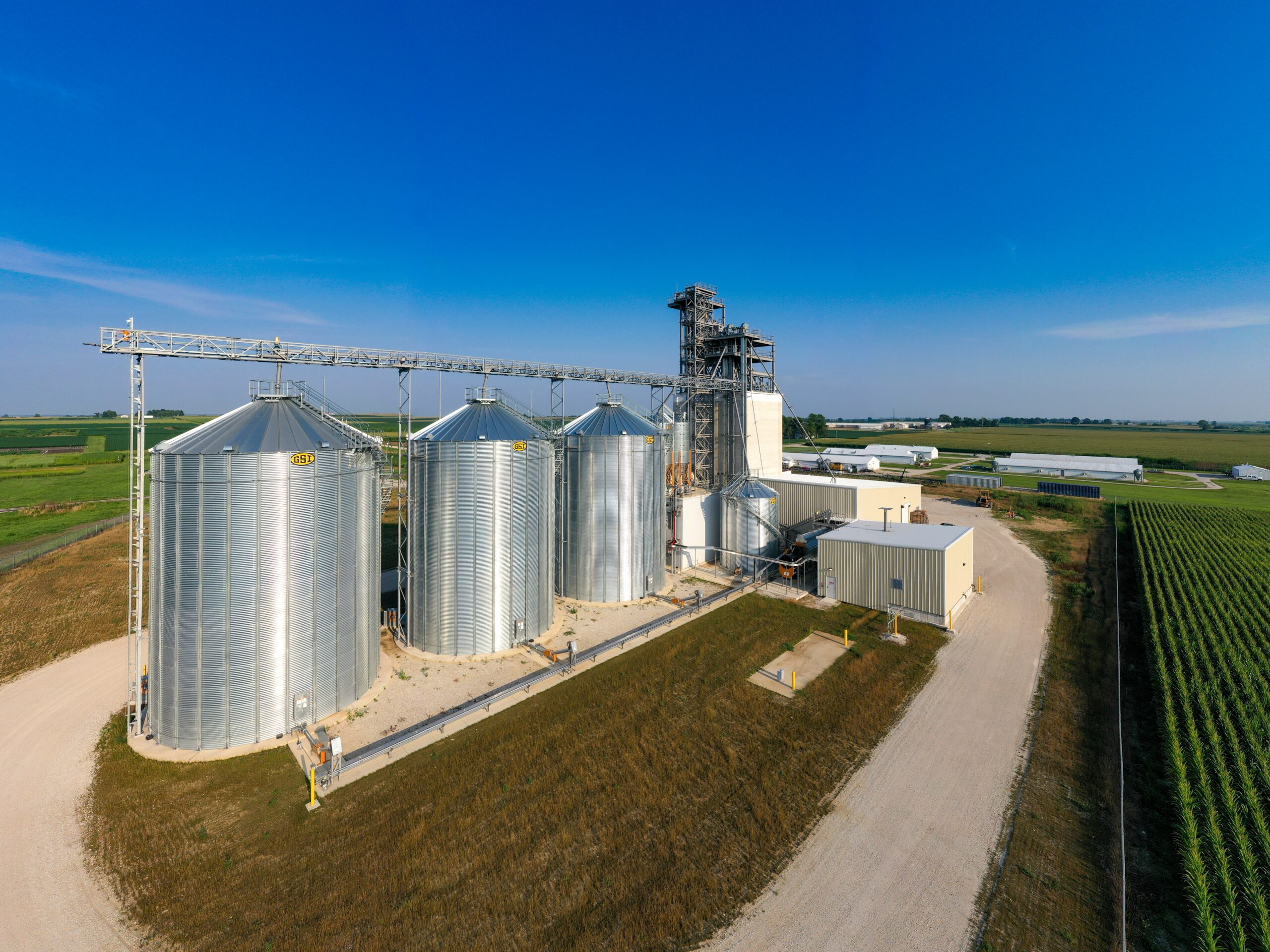
Grain farming takes months of hard work, careful planning, and constant attention. However, the job does not end when the combine leaves the field. In fact, grain storage and preservation often decide whether farmers keep their profits or lose them. If stored grain spoils, molds, or attracts pests, a full season of effort can slip away fast. Therefore, protecting the harvest must remain a top priority for growers, grain handlers, and storage managers alike.
Today, advanced grain storage solutions help farmers reduce losses, protect quality, and improve long-term returns. With the right systems in place, you can store grain safely for months while maintaining its value and market appeal. Let’s explore how modern tools and smart practices make this possible.
Why Grain Storage Matters More Than Ever
Farmers face rising input costs, tight margins, and changing weather patterns. Because of these pressures, every bushel counts. Poor grain storage can lead to moisture damage, insect infestations, and mold growth. As a result, farmers may face price discounts or even a total loss of product.
In addition, global demand for corn, wheat, soybeans, and other grains continues to grow. Buyers expect clean, dry, high-quality grain. Therefore, proper storage does more than prevent spoilage. It also protects your reputation and opens doors to better markets.
When farmers focus on grain preservation, they gain flexibility. They can hold grain and sell when prices improve. They can also avoid rushed sales during harvest season. So, strong storage systems support both product quality and financial strategy.
Controlling Moisture to Protect Grain Quality
Moisture remains one of the biggest threats to stored grain. If grain enters storage with high moisture levels, mold and bacteria can grow quickly. Even small moisture pockets can create hot spots that damage large sections of stored grain.
Therefore, proper drying should occur before long-term storage begins. Grain dryers remove excess moisture and help bring grain to safe storage levels. For example, corn often needs to reach about 15 percent moisture or lower for safe storage. Once grain reaches the proper level, it resists mold growth and is stored more safely.
In addition, regular moisture monitoring helps prevent future problems. Modern sensors track moisture levels inside bins and silos. Because these systems provide real-time data, farmers can act quickly if levels rise. As a result, they avoid large-scale spoilage and protect their investment.
Temperature Management and Aeration Systems
Temperature control plays a key role in grain storage and preservation. Warm grain creates the perfect environment for insects and mold. On the other hand, cool grain slows biological activity and keeps pests in check.
Aeration systems push air through stored grain to maintain even temperatures. When outside air cools in the fall, farmers can use fans to lower grain temperatures. This step helps prevent condensation and reduces the risk of spoilage.
Moreover, temperature cables installed in storage bins provide continuous monitoring. If a section of grain begins to heat, the system sends an alert. Then, farmers can turn on fans or move grain before damage spreads. Because of these tools, storage managers stay one step ahead of problems.
Smart Storage Structures and Materials
Modern grain storage facilities offer more protection than ever before. Steel silos with tight seals keep moisture and pests out. In addition, smooth interior walls reduce grain buildup and make cleaning easier.
Some farmers also use hermetic storage systems. These airtight systems limit oxygen levels inside the container. As oxygen drops, insects and molds struggle to survive. Therefore, hermetic storage reduces the need for chemical treatments.
Furthermore, improved floor designs support better airflow. Perforated floors allow air to move evenly through the grain mass. Because airflow remains consistent, temperature and moisture stay balanced throughout the bin. This design helps maintain grain quality over time.
Integrated Pest Management for Stored Grain
Insects can cause major damage in stored grain. They feed on kernels, create waste, and spread contamination. However, chemical treatments alone do not offer a complete solution.
Instead, integrated pest management combines sanitation, monitoring, and targeted control. First, farmers clean bins thoroughly before loading new grain. Old grain residue often attracts pests, so removing it reduces risk right away.
Next, regular inspections help catch problems early. Traps and sampling tools reveal insect activity before it becomes severe. If needed, fumigation or approved insecticides can be used to treat specific areas. Because this approach uses multiple strategies, it limits chemical use while still protecting the grain.
Digital Monitoring and Automation
Technology now plays a major role in advanced grain storage solutions. Digital monitoring systems track moisture, temperature, and even carbon dioxide levels. Since carbon dioxide can signal insect or mold activity, early detection prevents serious damage.
Many systems connect to smartphones or computers. As a result, farmers receive alerts even when they are off-site. This convenience saves time and allows fast action.
Automation also improves fan control and drying operations. Instead of guessing when to turn systems on or off, software analyzes weather data and grain conditions. Then, it runs the equipment at the best times. Because of this precision, farmers reduce energy costs while improving grain preservation.
Safe Handling and Grain Movement
Proper grain storage does not end with keeping grain in place. Safe handling during loading and unloading also matters. Rough handling can crack kernels, which increases the risk of mold and spoilage.
Therefore, modern conveyors and grain handling systems focus on gentle movement. Enclosed systems reduce dust and contamination. In addition, regular equipment maintenance prevents mechanical damage to grain.
Clean equipment also supports food safety standards. Buyers increasingly demand traceability and quality control. So, careful grain handling strengthens trust and long-term business relationships.
Planning for Long-Term Success
Protecting the harvest requires planning before harvest begins. Farmers should inspect storage bins, repair leaks, and test monitoring equipment early. By preparing in advance, they avoid last-minute problems.
It also helps to create a grain storage management plan. This plan may include moisture targets, inspection schedules, and pest control steps. Because written plans guide daily actions, they reduce mistakes and improve results.
Training employees or family members also supports success. When everyone understands proper grain preservation practices, the entire operation runs more smoothly. In the long run, teamwork protects both the crop and the bottom line.
The Future of Grain Storage and Preservation
Advanced solutions for grain storage continue to evolve. Researchers develop better sensors, improved materials, and more energy-efficient systems. At the same time, farmers share best practices and learn from each season.
As climate patterns shift, storage systems must adapt. Higher humidity or extreme temperature swings may increase risks. However, with modern tools and smart management, farmers can stay ahead of these challenges.
Ultimately, protecting the harvest means protecting income, reputation, and food supply. When farmers invest in advanced grain storage and preservation strategies, they secure more than just grain. They secure their future.