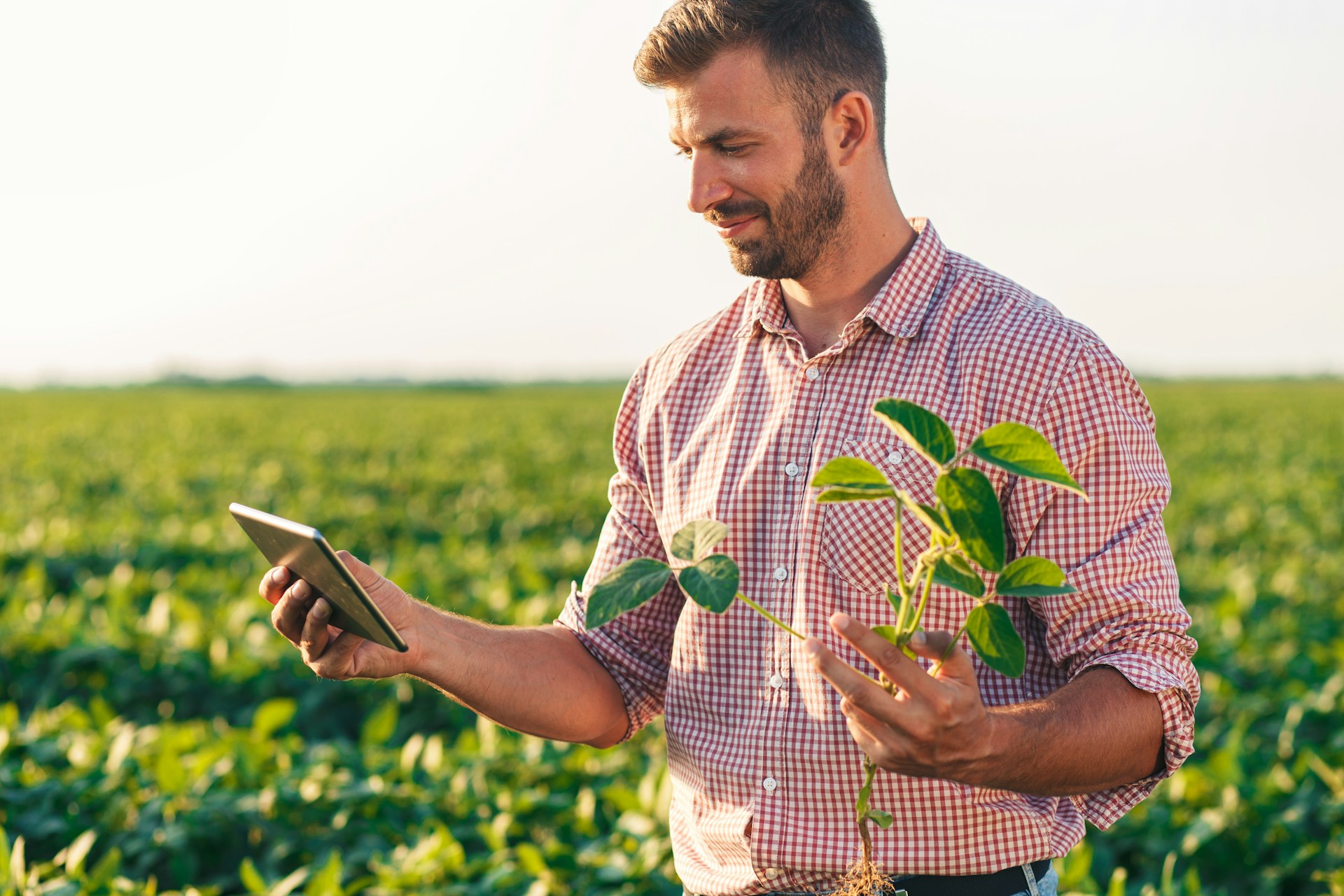
Agriculture has always relied on knowledge, experience, and careful observation. Today, however, farmers have access to advanced technology that helps them make faster and more informed decisions. Digital tools, connected equipment, and real time information allow growers to manage crops with greater accuracy while reducing waste. As farms continue to evolve, precision farming technology is becoming an essential part of modern agriculture. By combining reliable data with hands on expertise, farmers can improve productivity, protect natural resources, and build stronger operations that remain successful for years to come.
Understanding the Power of Data in Modern Farming
Every farm produces valuable information throughout the growing season. Soil conditions, weather patterns, moisture levels, and crop health all provide insights that influence daily decisions. Therefore, collecting and analyzing this information helps farmers respond quickly to changing conditions instead of relying only on experience.
Digital platforms organize large amounts of agricultural data into simple reports that support better planning. As a result, growers can identify potential problems earlier, improve planting schedules, and make smarter choices throughout every stage of production. Better information leads to greater confidence in every farming decision.
Making Better Decisions With Connected Equipment
Modern machinery has become much more than powerful equipment for planting and harvesting. Many tractors, combines, and sprayers now include sensors and communication systems that collect valuable field data while operating. Consequently, farmers receive accurate information without interrupting their daily work.
Connected equipment also improves efficiency across the farm. Operators can monitor machine performance, reduce unnecessary fuel use, and improve field coverage with greater precision. Because every pass through the field matters, these improvements help lower operating costs while increasing productivity.
Improving Soil Health Through Smart Monitoring
Healthy soil forms the foundation of successful agriculture. However, soil conditions vary across every field, making careful management essential for long term productivity. Advanced sensors now allow farmers to monitor moisture, temperature, nutrient levels, and other important factors more accurately than ever before.
With better information available, farmers can adjust irrigation, fertilization, and field management practices according to actual conditions. Consequently, crops receive the resources they need without unnecessary waste. This balanced approach supports stronger yields while protecting valuable farmland for future growing seasons.
Using Real-Time Insights for Healthier Crops
Crop health can change quickly because of weather, insects, disease, or nutrient deficiencies. Detecting these issues early allows farmers to respond before significant damage occurs. During the growing season, real-time crop monitoring provides continuous updates that help identify developing problems across the field.
Drones, satellite imagery, and field sensors work together to create detailed views of crop performance. Therefore, growers can focus attention on specific areas instead of treating entire fields unnecessarily. This targeted approach improves efficiency while supporting healthier and more productive crops.
Supporting Sustainable Agricultural Practices
Sustainability has become an important goal for farms of every size. Fortunately, technology allows growers to produce more food while using fewer resources. Accurate information reduces unnecessary fertilizer applications, improves irrigation efficiency, and minimizes chemical use across the farm.
Smart farming practices also benefit the environment by reducing runoff and conserving water. Furthermore, careful resource management lowers production costs while protecting natural ecosystems. As agriculture continues to evolve, technology supports both profitability and environmental responsibility at the same time.
Strengthening Farm Management and Planning
Successful farming depends on careful planning throughout the year. Digital management platforms help organize field records, planting schedules, equipment maintenance, and harvest information within a single system. Consequently, farmers spend less time managing paperwork and more time making informed decisions.
Historical data also becomes increasingly valuable over time. By comparing results from previous growing seasons, farmers can recognize patterns and improve future strategies. This continuous learning process supports stronger planning while reducing uncertainty during changing weather and market conditions.
Preparing Agriculture for Future Challenges
Climate variability, labor shortages, and increasing food demand continue to shape the future of agriculture. Because these challenges require flexible solutions, technology provides valuable tools that help farmers adapt more effectively. Advanced analytics, automation, and connected systems improve resilience across many different farming environments.
Research also continues to introduce new innovations that expand farming capabilities. In the middle of these advancements, digital agriculture solutions allow growers to combine scientific knowledge with practical field experience. Together, these resources support smarter decisions while helping farms remain competitive in an evolving industry.
Growing Stronger Farms Through Innovation
Technology does not replace the experience and judgment of farmers. Instead, it strengthens their ability to understand complex conditions and respond with greater accuracy. During every stage of production, smart agriculture systems provide valuable information that helps improve efficiency, increase crop quality, and support responsible resource management. Farmers who embrace these tools gain stronger insights while maintaining the practical knowledge that has guided agriculture for generations.
The future of farming will continue to combine tradition with innovation. Reliable data, connected equipment, and intelligent decision making allow agriculture to meet growing global demands while protecting valuable natural resources. Consequently, technology driven farming creates opportunities for healthier crops, stronger businesses, and a more sustainable agricultural future for communities around the world.