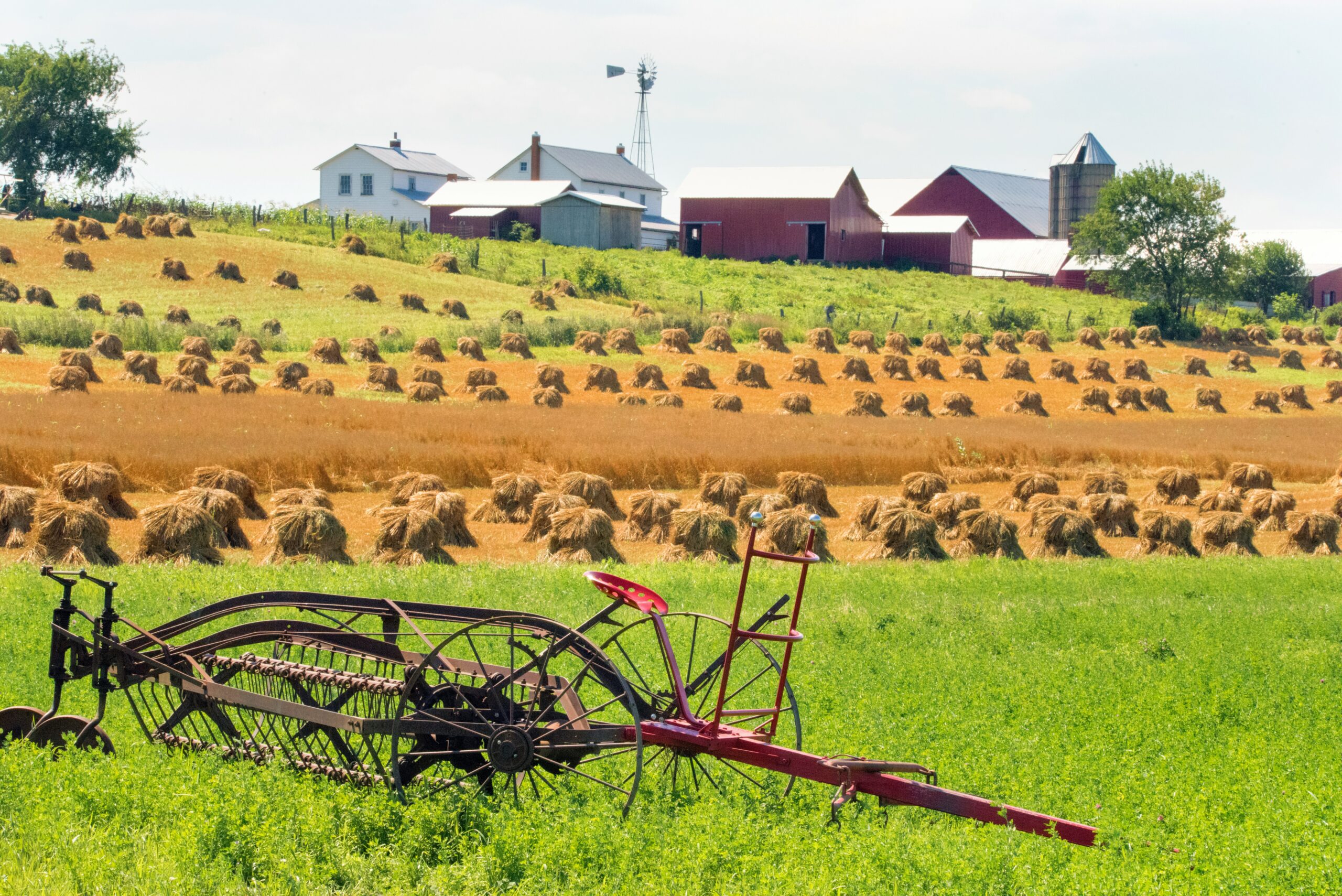
Farming stands at a critical crossroads. Rising populations, unpredictable weather, and dwindling resources challenge traditional methods. Farmers can no longer rely solely on experience and intuition. Instead, technology is becoming the backbone of modern agriculture. By integrating digital tools, automation, and advanced analytics, farms can increase efficiency, reduce waste, and adapt to changing conditions. Innovation transforms the way we cultivate crops, manage resources, and prepare for the future.
Precision Farming Enhances Productivity
Precision farming allows farmers to make every action count. Sensors, drones, and GPS mapping provide real-time insights into soil health, water levels, and crop growth. This data enables targeted application of fertilizers, pesticides, and irrigation. By acting with precision, farmers reduce costs and environmental impact while maximizing yields. Early detection of potential problems, such as nutrient deficiencies or pest infestations, allows farmers to intervene before issues escalate. As a result, crops remain healthier and more productive throughout the growing season.
Automation Redefines Daily Operations
Robotics and automation are changing farm workflows. Machines plant seeds, irrigate fields, and harvest crops efficiently and consistently. Drones monitor crop progress and soil conditions from above, offering a perspective humans cannot achieve on the ground. Automated equipment reduces labor costs while increasing accuracy. By delegating routine tasks to machines, farmers can focus on strategic planning, innovation, and overall farm management. This combination of human insight and automated precision creates a highly productive farming system.
Using Data to Drive Decisions
Data analytics has become essential for modern agriculture. Farmers collect information on soil composition, crop performance, and weather patterns to guide decisions about planting, irrigation, and resource allocation. Predictive models help anticipate challenges such as droughts, disease outbreaks, and pest invasions. By acting on data, farmers make proactive choices that optimize crop health and maximize profitability. Data-driven decision-making creates an adaptive system that responds quickly to changes in environmental and market conditions.
Protecting and Enhancing Soil Health
Healthy soil is the foundation of sustainable farming. Technology allows farmers to measure moisture, nutrient levels, and microbial activity in real time. Practices such as cover cropping, crop rotation, and reduced tillage improve soil fertility and water retention. Maintaining strong soil encourages robust root systems and supports long-term productivity. By leveraging technology to monitor and improve soil, farmers reduce their reliance on chemical fertilizers and ensure their land remains productive for generations.
Efficient Water Management
Water scarcity presents one of the most pressing challenges for agriculture. Smart irrigation systems deliver water only when and where plants need it, guided by soil sensors and weather forecasts. Drip irrigation and rainwater harvesting further conserve water and maintain crop health. Efficient water management strengthens farm resilience while supporting environmental sustainability. Farmers can achieve consistent yields even during droughts or periods of variable rainfall.
Reducing Environmental Impact
Modern agriculture increasingly prioritizes sustainability. Farmers adopt renewable energy, reduce chemical inputs, and implement integrated pest management. Crop diversification and biodiversity practices preserve ecosystems and promote soil health. Reducing environmental impact ensures long-term productivity and protects resources for future generations. Technology allows farmers to balance profitability with environmental responsibility.
Building Resilient Crops
Resilient crops are crucial for adapting to climate change and market pressures. Farmers develop varieties that resist disease, tolerate drought, and thrive under changing conditions. Combining traditional breeding with biotechnology increases reliability and yield. Crop diversification spreads risk and ensures stable production. Innovations like vertical farming and hydroponics maximize space and efficiency. Resilient crops protect food security while improving farm profitability.
Connecting Farms to Markets
Digital tools connect farms to global and local markets. Platforms provide real-time pricing, supply chain data, and demand forecasts. Farmers can plan production, reduce waste, and respond quickly to consumer preferences. This connectivity strengthens the agricultural system, allowing farms to remain competitive and profitable. Linking technology to market intelligence ensures that innovation benefits both producers and consumers.
Collaboration and Knowledge Sharing
Innovation spreads fastest through collaboration. Farmers, researchers, and policymakers share insights and test new approaches together. Partnerships provide access to technology, funding, and training that improve farm performance. Knowledge sharing helps farms of all sizes adopt best practices efficiently. Collaborative networks foster resilience, efficiency, and sustainable growth across the agricultural sector.
Preparing for the Future
The future of farming demands foresight, adaptability, and continuous innovation. Emerging technologies will continue to reshape operations, making farms more productive and sustainable. Farmers must remain informed and willing to experiment with new tools and practices. Proactive strategies allow farms to respond effectively to climate challenges, market fluctuations, and resource limitations. By preparing today, agriculture can secure a thriving, sustainable future.
Cultivating Tomorrow’s Farms
Technology is transforming agriculture, turning dirt into a smart, data-driven resource. Precision farming, automation, data analytics, and smart irrigation improve efficiency while reducing waste. Healthy soil, resilient crops, and effective water management ensure long-term productivity. Market connectivity, collaboration, and innovation strengthen the sector and support profitability. By embracing digital agriculture, farms are building a sustainable and productive future, ready to meet the challenges of a rapidly changing world.