Grains have been a cornerstone of human civilization, serving as both a food source and a global commodity. The grain economy encompasses every step of production, distribution, and sale, connecting farmers, traders, processors, and consumers. Understanding this system is essential for anyone involved in agriculture or agribusiness, as it impacts pricing, supply chains, and economic stability.
Farmers play a crucial role in the grain economy, making decisions that influence both production and profit. Choices about planting schedules, crop rotation, and input management directly affect yield and quality. At the same time, market trends, trade agreements, and global demand determine the value of the harvest. Recognizing these dynamics helps farmers and investors navigate the complex world of grains successfully.
Production and Yield Management
Production begins in the field, where proper management practices can maximize both yield and quality. Farmers use techniques such as soil testing, crop rotation, and precision agriculture to ensure that crops receive the right nutrients and water. These methods improve efficiency, reduce waste, and maintain soil health over time.
In addition, advances in seed technology and pest management allow farmers to optimize growth and protect crops from disease. Monitoring tools such as drones and sensors provide real-time data about field conditions, enabling quick decisions that prevent loss and improve yield. By combining traditional knowledge with modern technology, farmers strengthen the foundation of the grain economy.
Harvesting and Post-Harvest Handling
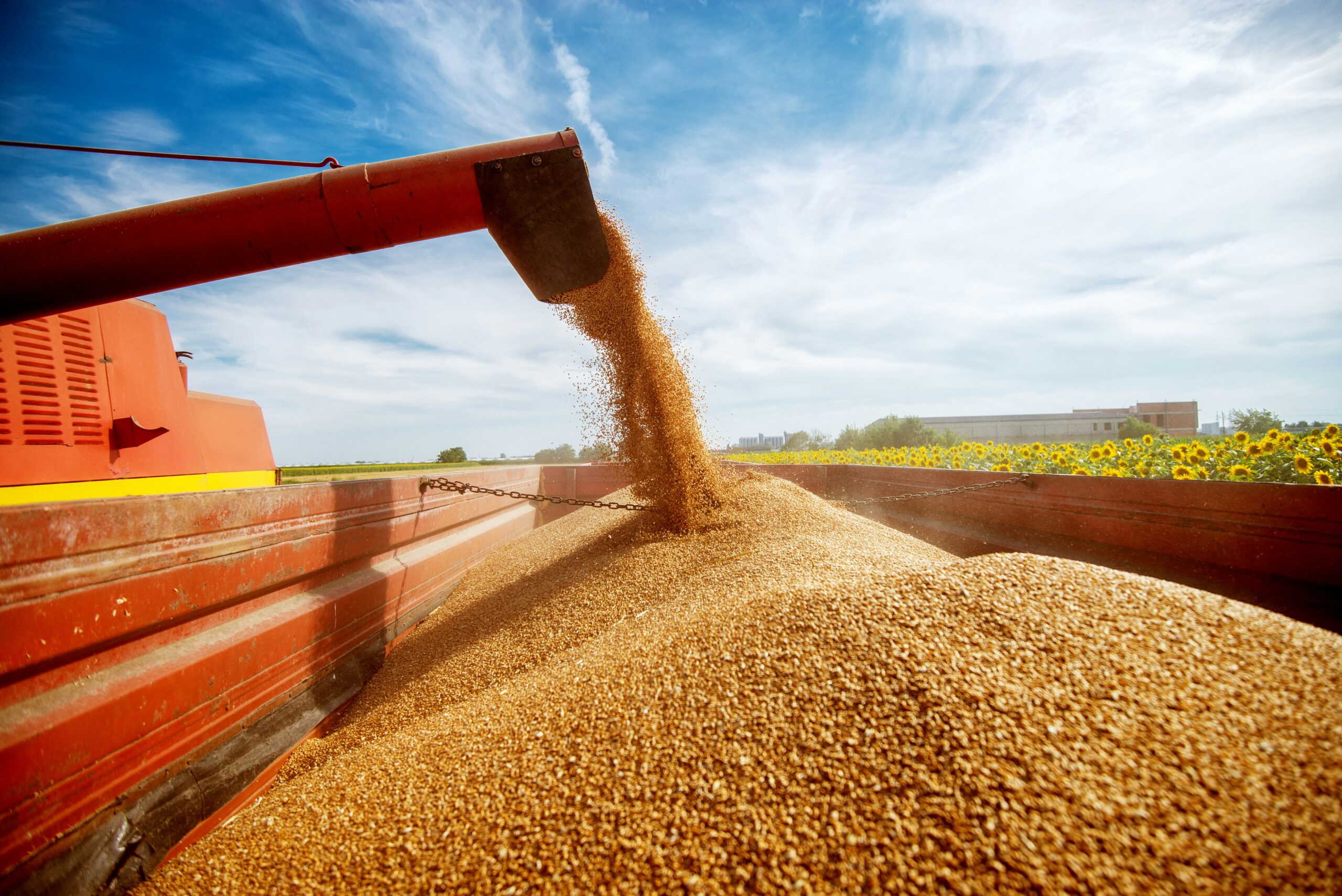
Harvesting is a critical stage that influences both quantity and quality. Timely harvesting ensures grains are collected at peak ripeness, minimizing losses from spoilage or environmental factors. Modern machinery, such as combines and automated harvesters, enables farmers to harvest crops efficiently while reducing labor requirements.
Once harvested, proper post-harvest handling is essential to maintain grain quality. Cleaning, drying, and sorting reduce the risk of mold, pests, and contamination. Storage solutions, including silos and controlled-atmosphere systems, protect grains for extended periods and provide greater marketing flexibility. Effective post-harvest management is a vital link between production and profitability in the grain economy.
Grain Storage and Preservation
Storage plays a key role in the grain economy, enabling farmers to manage supply and respond to market demand. Advanced storage techniques use temperature and moisture control to maintain grain quality. Aeration systems, moisture sensors, and hermetic storage containers prevent spoilage and reduce losses due to insects or rodents.
Moreover, proper storage extends the shelf life of grains, enabling farmers to sell when market prices are favorable. Digital monitoring tools alert farmers to changes in temperature, humidity, and pest activity, enabling immediate corrective action. By effectively preserving the harvest, farmers can maximize revenue while ensuring the integrity of their product.
Grain Marketing and Trade
Marketing connects production with profit, influencing the flow of grains through local, national, and global markets. Farmers must consider supply and demand, commodity prices, and storage capacity when making sales decisions. Futures markets, direct sales, and contracts with processors provide different options for capturing value from the harvest.
Trade also plays a significant role in the grain economy. International markets can affect local prices, creating both opportunities and challenges for farmers. Export regulations, tariffs, and global demand impact profitability, while domestic consumption influences planning and distribution. Understanding market dynamics helps stakeholders make informed decisions and navigate risks successfully.
Technology and the Modern Grain Economy
Technology has transformed the grain economy by enabling better production, storage, and marketing. Drones, sensors, and satellite imagery allow farmers to monitor crops, detect issues, and optimize resource use. Automated systems improve efficiency in harvesting and post-harvest handling, reducing labor and increasing accuracy.
Digital platforms and data analytics also support market decisions. Farmers can track trends, forecast prices, and analyze performance, enabling smarter planning. By integrating technology throughout the supply chain, the grain economy becomes more efficient, transparent, and profitable. This connectivity benefits producers, buyers, and consumers alike.
Economic and Environmental Considerations
The grain economy is shaped not only by market forces but also by environmental and economic factors. Weather, climate change, and soil conditions affect production, while global trade and local infrastructure influence profitability. Farmers must balance efficiency with sustainability to protect resources and maintain long-term productivity.
Sustainable practices such as reduced chemical use, precision irrigation, and crop diversification support both environmental health and economic stability. By adopting these methods, farmers can reduce risks, maintain soil fertility, and ensure that grains remain a reliable food source. Sustainability is a key factor in securing the future of the grain economy.
Risk Management and Insurance
Farming inherently involves risk, from weather events to market volatility. Risk management strategies help farmers protect their investments and maintain steady income. Crop insurance, futures contracts, and diversification of production are common tools for mitigating financial uncertainty.
Additionally, monitoring systems and predictive analytics reduce operational risk by providing early warning of potential issues. Farmers who combine traditional risk management with modern technology can make informed decisions, safeguard their harvest, and stabilize their income. Effective risk management is essential to turning production into profit.
Policy and Regulation in the Grain Industry
Government policies and regulations also shape the grain economy. Subsidies, trade agreements, and food safety standards influence production decisions and market access. Compliance with regulations ensures that farmers can sell both domestically and internationally without legal issues or delays.
Furthermore, policy support often encourages innovation, sustainability, and infrastructure development. Programs that fund research, technology adoption, and education help farmers improve efficiency and profitability. Understanding the regulatory landscape is critical for navigating the grain economy and maximizing success.
Future Trends in the Grain Economy
The grain economy is evolving as technology, sustainability, and global demand reshape production and distribution. Smart farming techniques, digital marketplaces, and advanced storage solutions will continue to enhance efficiency and profitability. Additionally, environmental considerations will drive innovation in resource management and sustainable practices.
Farmers who embrace technology and integrate it with traditional knowledge will be better positioned to meet growing global food needs. Data-driven decision-making, automation, and market insight will support higher yields, improved quality, and stronger economic outcomes. The grain economy is moving toward a connected, transparent, and resilient system that benefits all stakeholders from production to profit.