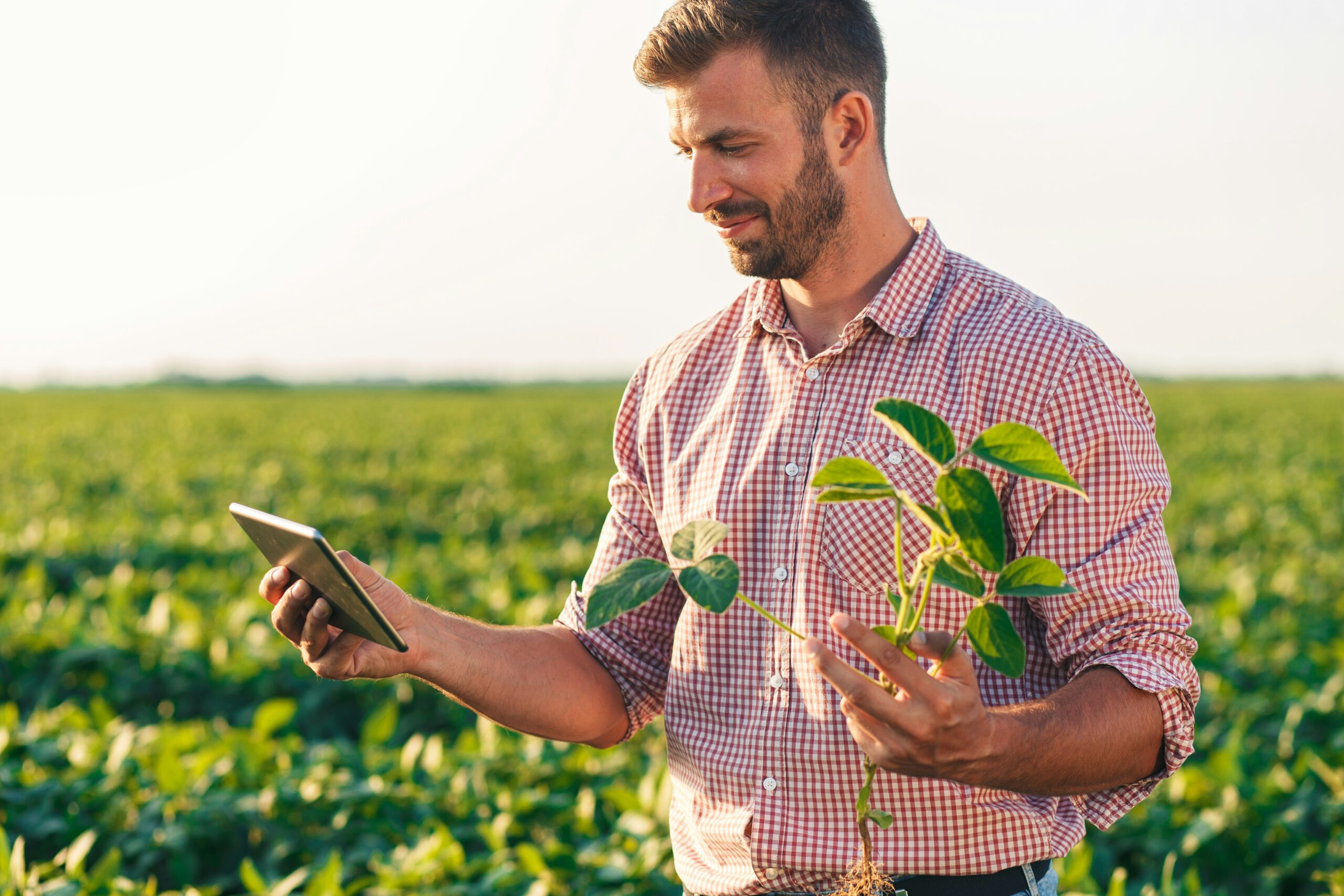
Digital agriculture is changing how farmers grow food, manage land, and increase yields in a fast-moving world. Today, smart tools, data-driven systems, and connected devices help farmers make better decisions with less guesswork. As a result, farms become more efficient, more sustainable, and more profitable. Moreover, digital agriculture supports food security while reducing waste and environmental impact. This transformation matters because global demand keeps rising, yet resources remain limited. Therefore, farmers now rely on technology to stay competitive and resilient in modern agriculture.
The Rise of Digital Agriculture in Modern Farming
Digital agriculture has grown quickly because technology has become more accessible and affordable. In the past, farmers relied solely on experience and observation. However, today they use sensors, software, and automation to track every part of the farming process. As a result, they can monitor soil health, weather patterns, and crop growth in real time. This shift helps farmers respond faster to challenges and improve outcomes.
At the same time, governments and private companies invest heavily in digital agriculture. Consequently, new platforms and tools continue to enter the market. Farmers now have access to mobile apps, cloud systems, and satellite data. Because of this, even small farms can adopt modern solutions. Therefore, digital agriculture is no longer limited to large operations, and its impact continues to expand worldwide.
Precision Farming and Data-Driven Decisions
Precision farming plays a central role in digital agriculture by using data to guide every decision. Farmers collect data from sensors, drones, and GPS systems to better understand their fields. Then, they apply water, fertilizer, and pesticides only where needed. As a result, they reduce waste and lower costs while increasing crop yields.
Moreover, data analytics tools help farmers predict trends and plan. For example, they can analyze weather patterns and soil conditions to choose the best planting time. In addition, machine learning models improve accuracy over time. As a result, farmers gain greater confidence in their decisions. Therefore, precision farming continues to drive efficiency and sustainability in digital agriculture.
Smart Equipment and Automation on Farms
Automation has become a key part of digital agriculture, especially with the rise of smart machinery. Modern tractors, harvesters, and irrigation systems now operate with advanced software and sensors. As a result, farmers can automate repetitive tasks, saving time. Furthermore, these machines operate with high precision, reducing human error.
In addition, autonomous equipment allows farmers to manage larger areas with fewer workers. For instance, self-driving tractors can plant and harvest crops without constant supervision. Meanwhile, automated irrigation systems adjust water levels based on real-time data. Because of these innovations, farms become more efficient and productive. Therefore, automation continues to reshape how farming operates in the digital agriculture era.
The Role of IoT in Digital Agriculture
The Internet of Things, or IoT, connects devices across the farm to share data instantly. Sensors placed in fields measure soil moisture, temperature, and nutrient levels. Then this data flows to a central system where farmers can easily analyze it. As a result, they gain a clear picture of their farm’s health at any moment.
Additionally, IoT systems improve resource management and reduce risks. For example, farmers can receive alerts about drought conditions or pest activity. Consequently, they can act quickly to prevent damage. As a result, IoT enhances decision-making and boosts efficiency. Therefore, it remains a critical part of digital agriculture and its ongoing growth.
Drones and Satellite Technology in Farming
Drones and satellite imagery offer farmers a powerful way to monitor crops from above. These tools capture detailed images that reveal issues such as disease, water stress, or uneven growth. As a result, farmers can identify problems early and take action before they spread.
Furthermore, aerial data supports better planning and resource use. For instance, farmers can map their fields and track changes over time. In addition, drones can spray crops with precision, which reduces chemical use. Because of these benefits, aerial technology continues to expand within digital agriculture. Therefore, it plays a vital role in improving farm efficiency and sustainability.
Sustainability and Environmental Benefits
Digital agriculture supports sustainable farming by reducing waste and conserving resources. Farmers use data to apply inputs more precisely, which lowers the use of water, fertilizers, and pesticides. As a result, they protect soil health and reduce environmental impact. Moreover, efficient practices help lower greenhouse gas emissions.
At the same time, digital tools promote long-term sustainability. For example, farmers can monitor soil conditions and adjust their practices to maintain soil fertility. In addition, crop rotation and conservation methods become easier to manage with digital systems. Because of this, digital agriculture aligns with global sustainability goals. Therefore, it helps create a more balanced and responsible farming system.
Challenges and Future Opportunities
Despite its benefits, digital agriculture still faces several challenges. Many farmers struggle with high initial costs and a lack of technical knowledge. In addition, limited internet access in rural areas can slow adoption. However, ongoing innovation continues to address these barriers. As technology becomes more affordable, more farmers can join the digital shift.
Looking ahead, digital agriculture will continue to evolve as new advancements emerge. Artificial intelligence, robotics, and blockchain will play a larger role in farming systems. Moreover, global collaboration will drive innovation and knowledge sharing. Because of this, the future of farming looks more connected and efficient than ever. Therefore, digital agriculture will remain a key driver of transformation in the agricultural industry.