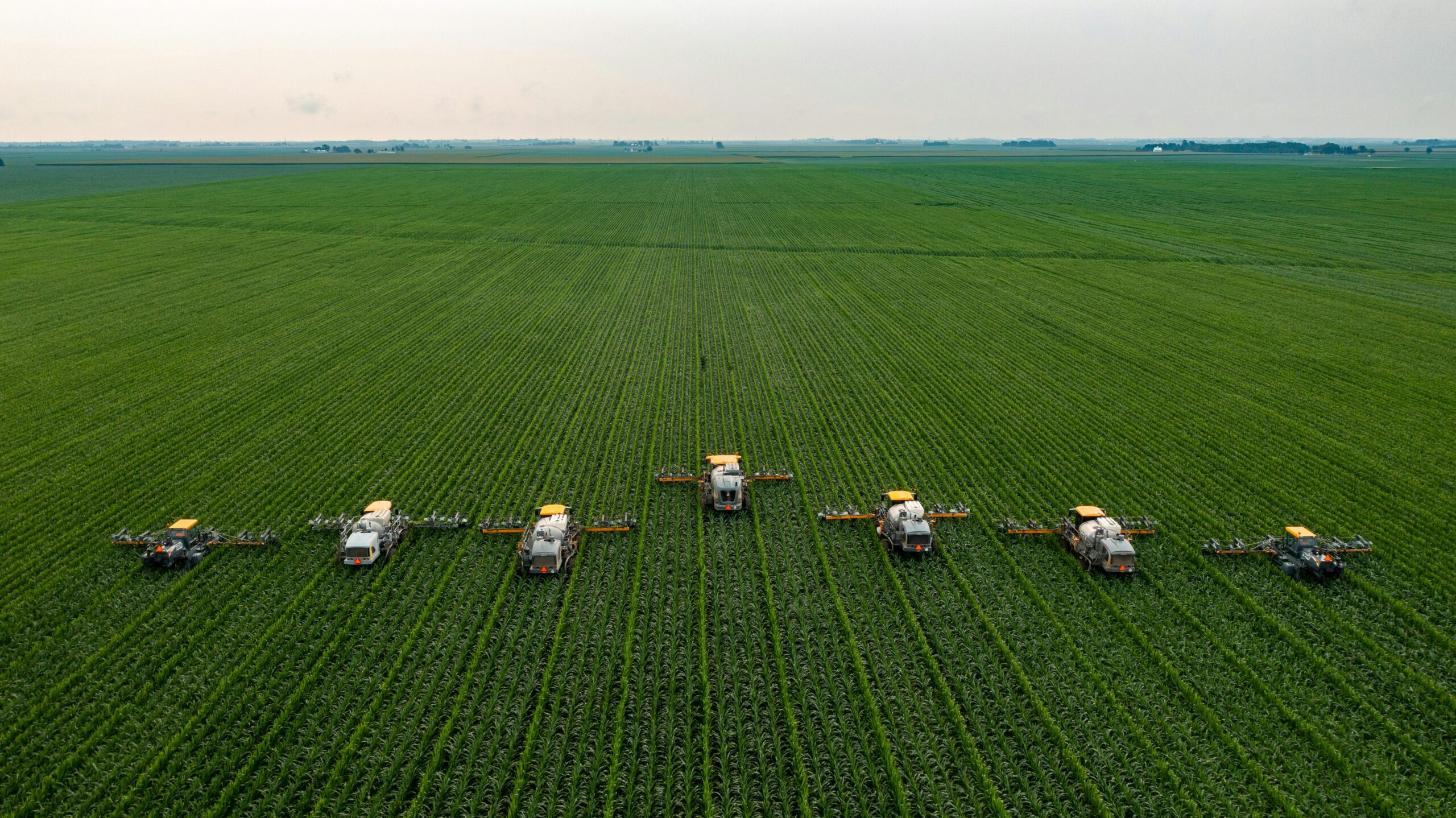
Grain farming plays a major role in agriculture and the global food system. Farmers produce wheat, corn, rice, barley, soybeans, and other grains for food, animal feed, fuel, and industrial products. However, growing a successful crop does not automatically create a profitable farming business. Farmers must manage production costs, market prices, weather risks, and operational decisions throughout each season. Therefore, understanding the economics of grain production helps explain how farms turn crops into sustainable income.
Agricultural profitability depends on the relationship between revenue and the total cost of production. Grain prices can change quickly because of supply, demand, trade, weather, and economic conditions. Meanwhile, farmers must pay for seed, fertilizer, fuel, equipment, labor, land, storage, and transportation. As a result, profitable grain production requires careful planning before planting begins. Farmers who understand their financial position can make better decisions and respond more effectively to changing market conditions.
Understanding the True Cost of Grain Production
Production costs form the foundation of grain farm economics. Farmers face direct expenses such as seed, fertilizer, pesticides, fuel, irrigation, and hired labor. In addition, machinery repairs and transportation costs can significantly affect the final cost of producing each bushel. Therefore, farmers need accurate records to understand where their money goes. Without reliable cost information, they may struggle to determine whether a crop generates a meaningful return.
However, direct expenses represent only part of the financial picture. Farmers must also consider land payments, equipment depreciation, insurance, interest, taxes, and other overhead expenses. These costs may continue even when crop prices decline. Consequently, a farm can produce a strong harvest while earning a weak profit. Careful cost management allows producers to identify unnecessary expenses while protecting the investments that support long-term productivity.
Crop Yields and Their Influence on Farm Revenue
Crop yield has a direct effect on agricultural profitability because farmers generally earn more when they harvest more grain from each acre. Good soil management, quality seed, proper fertilization, and effective pest control can improve production. Moreover, modern equipment and precision farming technologies help farmers use resources more efficiently. Higher yields can spread fixed expenses across more units of grain, which may reduce the production cost per bushel.
Still, maximizing yield does not always maximize profit. Farmers can spend heavily on fertilizer, chemicals, irrigation, or other inputs while gaining only a small increase in production. Therefore, successful producers focus on economically efficient yields rather than simply chasing record harvests. They compare the expected value of additional grain with the cost required to produce it. This approach helps farmers protect margins while maintaining productive fields.
Grain Prices and Market Conditions
Market prices strongly influence the economics of grain production. Grain values respond to domestic supply, international demand, weather events, transportation conditions, currency movements, and government policies. For example, a drought in a major producing region can reduce supply and support higher prices. Conversely, a large global harvest may create excess supply and place downward pressure on grain values. Therefore, farmers must follow market conditions closely.
At the same time, producers cannot control the price they receive in an open commodity market. Instead, they can improve how and when they market their grain. Some farmers sell portions of expected production before harvest, while others store crops and wait for stronger market opportunities. Additionally, understanding local basis levels and seasonal price patterns can improve selling decisions. Strong grain marketing can increase revenue without requiring farmers to produce additional acres or bushels.
Managing Inputs for Better Agricultural Profitability
Input management gives farmers an important opportunity to protect profit margins. Fertilizer, seed, crop protection products, fuel, and machinery expenses can consume a large share of farm revenue. Consequently, producers must evaluate whether each input contributes enough value to justify its cost. Applying more fertilizer, for instance, may increase yield under certain conditions. However, unnecessary applications can raise expenses without producing enough additional grain to cover the investment.
Technology can support more precise input decisions. Soil testing, GPS-guided equipment, yield mapping, sensors, and variable-rate systems allow farmers to apply resources where crops need them most. As a result, producers may reduce waste while maintaining or improving productivity. Better input efficiency also supports soil health and environmental responsibility. Therefore, precision management can strengthen both short-term agricultural profitability and the farm’s long-term economic position.
Weather Risk and Financial Uncertainty
Weather remains one of the largest risks in grain farming. Drought, flooding, excessive heat, frost, storms, and poorly timed rainfall can reduce yields within a short period. Farmers may invest significant amounts of money before knowing what weather conditions the season will bring. Therefore, grain production always involves financial uncertainty. Even experienced farmers cannot completely eliminate the risks created by changing environmental conditions.
Nevertheless, producers can use several management strategies to reduce their financial exposure. Crop insurance can protect part of the expected revenue when major losses occur. In addition, crop rotation and diversified production can reduce dependence on a single commodity. Farmers may also maintain financial reserves for difficult seasons. Consequently, strong risk management helps farms survive temporary setbacks and continue operating when weather or market conditions become unfavorable.
Storage, Transportation, and Post-Harvest Economics
Harvest does not mark the end of grain production economics. After crops leave the field, farmers must decide whether to sell immediately or store their grain. Storage can provide flexibility because producers may wait for better prices instead of selling during heavy harvest periods. However, storage also creates costs for facilities, electricity, drying, handling, insurance, and interest. Therefore, farmers must compare potential price gains with the actual expense of holding grain.
Transportation also influences the final value farmers receive. Distance from elevators, processors, ports, feed operations, and ethanol plants can affect hauling costs and local grain prices. Moreover, transportation disruptions can weaken market access during critical periods. Efficient logistics can help producers reduce unnecessary expenses and reach stronger markets. As a result, post-harvest planning becomes an important part of agricultural profitability rather than simply an operational concern.
Technology and the Changing Economics of Grain Farming
Agricultural technology continues to reshape grain production. Precision equipment, farm management software, drones, satellite imagery, and automated machinery give farmers access to more detailed information. Therefore, producers can monitor field conditions, measure performance, and identify problems earlier. Better information can improve decisions about planting, fertilization, irrigation, pest management, and harvesting. These improvements may lower production costs while increasing the value generated from each acre.
However, technology requires investment, and expensive tools do not guarantee higher profits. Farmers must evaluate whether new equipment or software will provide measurable economic benefits. For smaller operations, sharing machinery or using custom services may offer a better financial option than purchasing equipment. Consequently, technology decisions should support the farm’s specific scale and financial goals. Strategic adoption creates value when innovation improves efficiency rather than simply increasing expenses.
Building Long-Term Profitability in Grain Agriculture
Long-term grain farm profitability depends on more than one successful harvest. Farmers must protect soil productivity, control debt, maintain equipment, manage working capital, and prepare for changing markets. Furthermore, healthy soil can improve water retention and nutrient efficiency over time. Crop rotation and responsible field management can also support consistent production. These practices help farmers protect the productive resources that generate future revenue.
Ultimately, profitable grain farming combines agricultural knowledge with disciplined business management. Farmers cannot control every weather event or commodity price movement, but they can control many operational and financial decisions. Therefore, understanding costs, improving efficiency, managing risk, and making informed marketing choices remain essential. When producers treat every acre as both a biological system and an economic asset, they can build stronger farms that remain competitive through changing agricultural cycles.