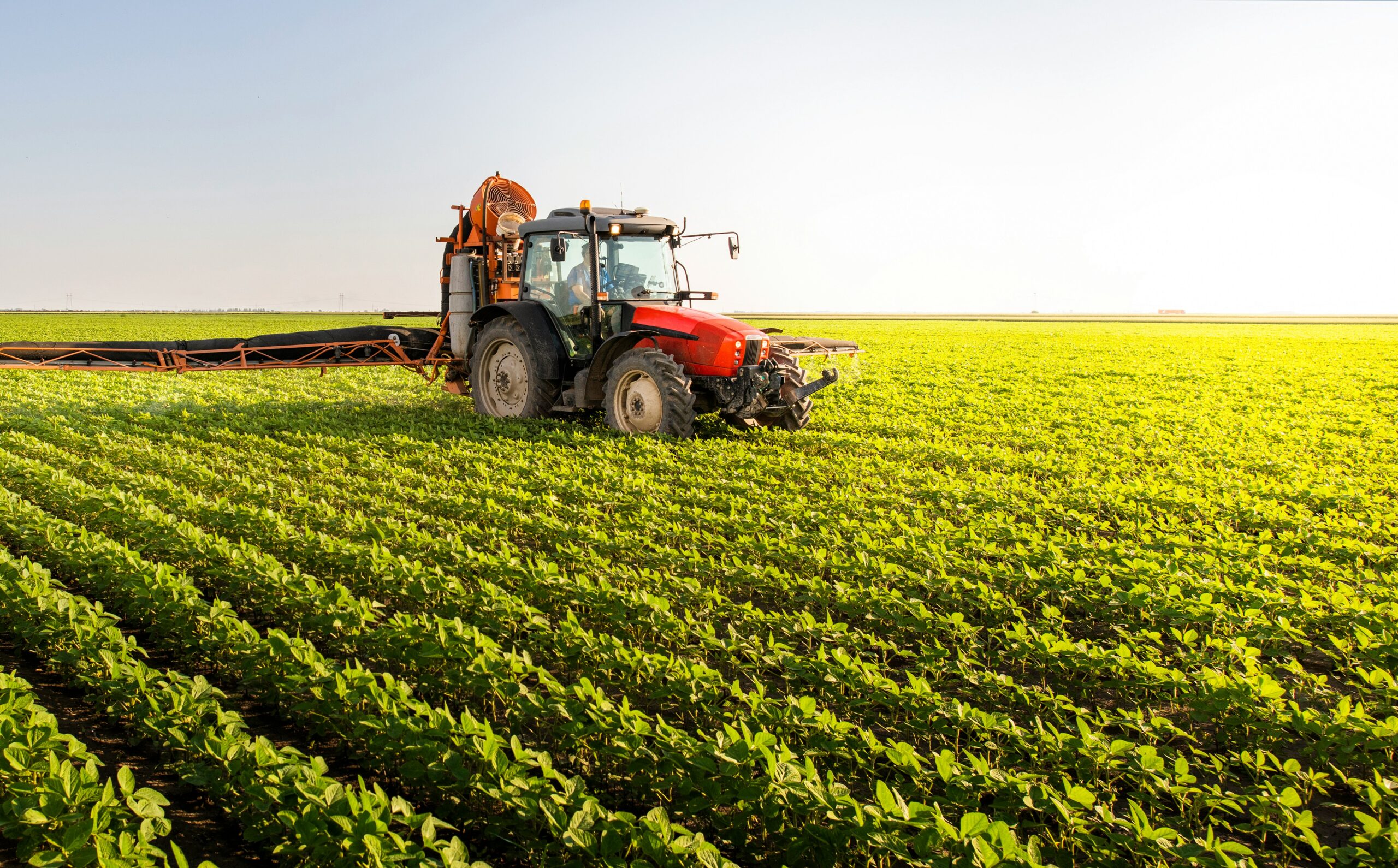
Agriculture has always helped societies grow, but today farmers face challenges that require new thinking. Climate change, rising food demand, and limited natural resources are changing the way people approach farming. Therefore, many farmers are moving toward sustainable farming methods that protect the environment while improving productivity. These approaches help farmers grow food responsibly and prepare for future challenges.
Modern agriculture is no longer focused only on producing larger harvests. Instead, farmers are looking for ways to create long-term value while protecting soil, water, and ecosystems. Additionally, new technologies and better farming practices allow producers to make smarter decisions. As a result, sustainable agriculture is becoming an important solution for a changing world.
Farmers today understand that healthy land creates stronger results. However, traditional farming methods can sometimes reduce soil quality and increase resource pressure. Therefore, many producers are adopting practices that restore natural balance and support long-term growth. These changes help farms remain productive while reducing environmental harm.
Furthermore, sustainable farming connects environmental care with economic success. When farmers use resources efficiently, they can reduce costs and improve their operations. Moreover, responsible farming practices help communities access reliable food supplies. This balance between productivity and protection creates a stronger future for agriculture.
Protecting Soil Health for Future Generations
Healthy soil is one of the most important foundations of successful farming. However, soil can lose its strength when farmers use harmful practices for many years. Therefore, protecting soil quality has become a major goal for modern agricultural systems. Farmers now focus on methods that maintain nutrients, prevent erosion, and support natural growth.
One effective approach is to improve soil naturally through better management practices. Farmers can use organic materials, crop rotation, and careful planting methods to maintain soil health. Additionally, these practices help increase soil strength and improve crop performance. As a result, farms can produce healthy crops while preserving valuable land resources.
Furthermore, soil protection helps farmers manage changing weather conditions. Strong soil can hold water better and support crops during difficult periods. Therefore, healthy soil creates more resilient farms that can handle environmental challenges. Moreover, protecting soil today helps future generations continue agricultural production.
Technology also supports better soil management. Farmers can now use digital tools to understand soil conditions and make accurate decisions. Additionally, data helps producers allocate resources only where needed. Consequently, modern soil management combines traditional knowledge with advanced solutions to create stronger farming systems.
Using Technology to Create Smarter Farms
Technology is transforming agriculture by helping farmers understand their fields in greater detail. However, innovation does not replace farmers because human experience remains essential. Instead, technology provides valuable information that helps farmers make better choices. Therefore, smart farming combines knowledge, experience, and digital tools to improve results.
Modern farmers use sensors, satellite images, and advanced equipment to monitor crops and resources. These tools provide information about weather, soil conditions, and plant health. Additionally, farmers can use this information to reduce waste and improve efficiency. As a result, technology allows farms to become more productive and environmentally responsible.
Furthermore, digital solutions help farmers manage resources more carefully. Water, fertilizer, and energy are valuable resources that require thoughtful use. Therefore, technology helps producers apply these resources more effectively. Moreover, better resource management reduces costs and supports sustainable production.
Artificial intelligence and data analysis are also creating new opportunities in agriculture. Farmers can use digital information to predict problems and plan. Additionally, these tools help producers respond quickly to changing conditions. Consequently, technology is helping agriculture become more flexible, efficient, and prepared for the future.
Reducing Waste and Improving Food Security
Food waste remains a major challenge worldwide. However, sustainable farming practices can help reduce losses and improve food availability. Farmers are now focusing on better production methods, improved storage, and efficient supply systems. Therefore, reducing waste has become an important part of creating a stronger food system.
Furthermore, sustainable farming helps communities produce food more responsibly. When farmers protect their land and resources, they can maintain production over time. Additionally, efficient farming methods allow more food to reach consumers. As a result, sustainable agriculture supports both environmental protection and global food security.
Farmers also play an important role in reducing postharvest waste. Proper storage and transportation methods help protect crops and maintain quality. Therefore, investing in better systems can prevent valuable food from being lost. Moreover, these improvements create financial benefits for farmers and businesses.
Additionally, consumers can support sustainable agriculture through their choices. When people understand where food comes from, they can make more responsible decisions. Consequently, cooperation between farmers, businesses, and consumers creates a more efficient food system.
Balancing Profitability and Environmental Responsibility
Many people believe that environmental protection and business success cannot coexist. However, sustainable farming shows that farmers can achieve both goals. By using resources wisely and improving efficiency, producers can reduce costs and maintain strong profits. Therefore, sustainable practices are becoming a smart business choice for modern farms.
Furthermore, sustainable farms often become stronger over time because they protect the resources they depend on. Healthy soil, clean water, and efficient systems create lasting advantages. Additionally, consumers increasingly support businesses that care about environmental responsibility. As a result, sustainable agriculture can improve both reputation and financial stability.
Farmers also benefit from new market opportunities created by responsible production. Many consumers want food produced through methods that support environmental health. Therefore, sustainable farming can help producers connect with growing markets. Moreover, responsible practices can create stronger relationships between farmers and communities.
Additionally, government programs and agricultural organizations are supporting sustainable development. These efforts provide education, resources, and opportunities for farmers who want to improve their methods. Consequently, collaboration helps more producers adopt practices that benefit both business and the environment.