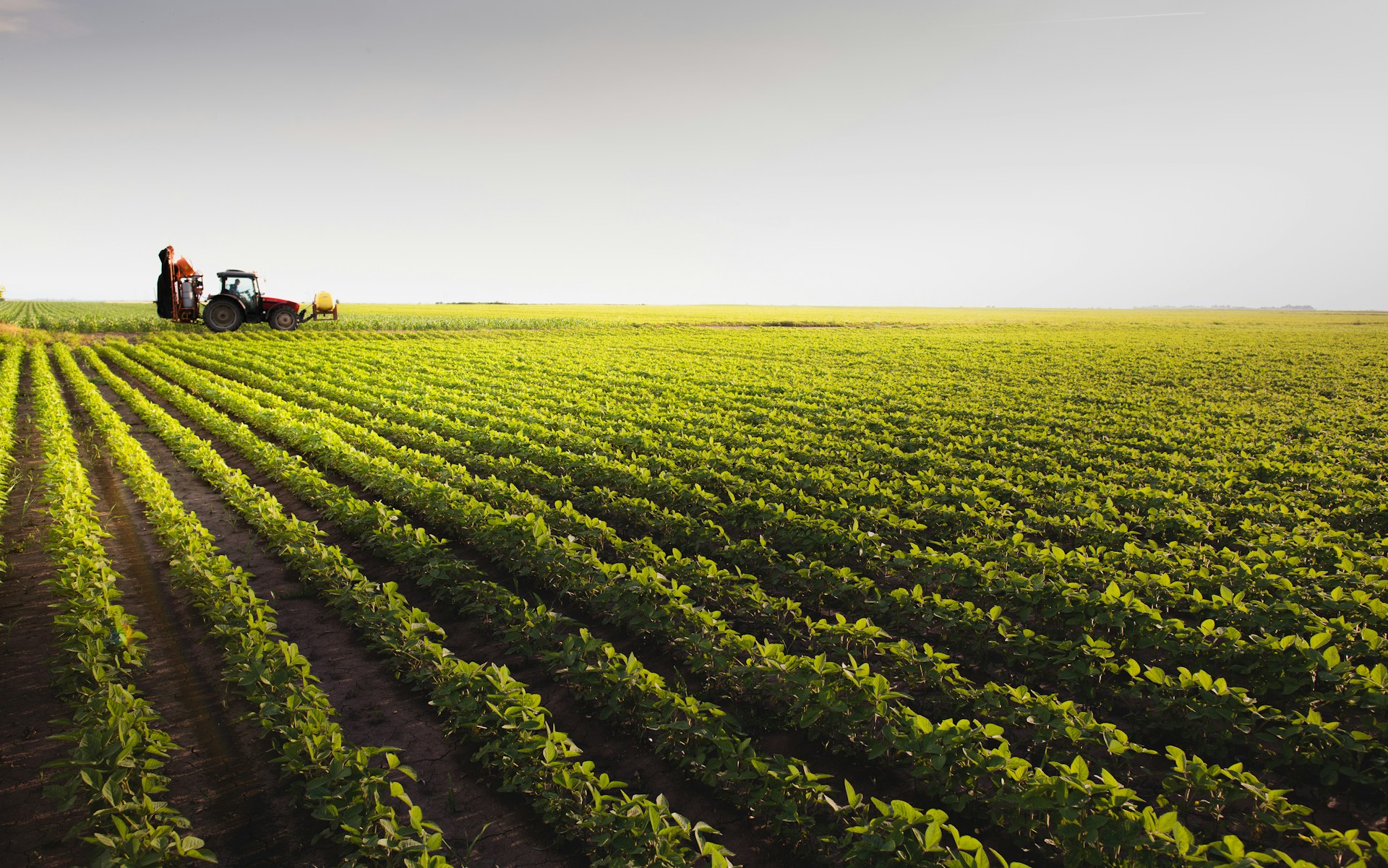
Agriculture is entering a new era where farmers must produce more food while protecting the natural systems that make farming possible. As climate challenges grow and resources become more limited, growers are searching for smarter solutions that support both people and the planet. Many farmers now focus on eco-friendly farming methods to improve soil quality, reduce waste, and build stronger agricultural systems. These approaches show that farming can remain productive while respecting the environment and preparing for future needs.
Understanding the Shift Toward Responsible Growing
For generations, agriculture has played a central role in supporting communities around the world. However, traditional farming methods have sometimes placed heavy pressure on land, water, and ecosystems. Today, farmers face new challenges, including unpredictable weather, changing market needs, and increasing demand for food. Therefore, many growers are moving toward practices that create a healthier balance between production and environmental care.
Sustainable agriculture provides a path forward by encouraging careful resource use and long-term planning. Instead of focusing only on immediate results, farmers can develop systems that protect their land for future seasons. Moreover, these practices often improve farm efficiency by reducing unnecessary costs and helping crops become more resilient. As a result, responsible farming continues to gain attention among growers, researchers, and communities.
Building Healthier Soil Through Natural Solutions
Healthy soil forms the foundation of successful agriculture. When soil contains strong nutrients and active natural organisms, crops can grow better and handle difficult conditions more effectively. Because of this, many farmers are adopting methods that improve soil structure instead of depending only on external inputs. Composting, crop rotation, and cover crops are examples of approaches that support natural soil processes.
In addition, protecting soil helps prevent erosion and improves water retention. Farmers who care for their land can reduce the loss of valuable nutrients while creating stronger growing conditions. Furthermore, healthy soil supports biodiversity by providing a better environment for beneficial insects and microorganisms. Over time, these improvements create more reliable farms that can continue producing food under changing environmental conditions.
Technology Helping Farms Make Smarter Choices
Modern technology has changed the way many farmers manage their fields. Digital tools, sensors, and advanced data systems allow growers to understand crop conditions with greater detail. As a result, farmers can make better decisions about irrigation, planting, and resource use. These innovations help reduce waste while improving farm productivity.
However, technology works best when combined with farming experience. Local knowledge remains important because every region has different soil types, weather patterns, and growing conditions. Therefore, farmers can use digital solutions as helpful guides while still relying on their understanding of the land. This combination creates a more flexible and efficient approach to agriculture.
Protecting Water and Supporting Natural Diversity
Water plays a vital role in food production, yet many regions face increasing water challenges. Sustainable farmers are finding ways to use water more carefully through improved irrigation systems and conservation techniques. Consequently, these practices help protect water supplies while allowing crops to receive the moisture they need.
Biodiversity also strengthens agricultural systems by creating healthier connections between plants, animals, and natural habitats. When farms support diverse ecosystems, they can encourage pollination, improve soil health, and reduce dependence on harmful pest control methods. Moreover, protecting natural diversity helps maintain balance within the environment. Sustainable farming is not only about growing crops, it is about creating a relationship between agriculture and nature.
Communities Supporting Agricultural Progress
Farmers rarely create lasting change by working alone. Instead, progress often develops through partnerships among growers, scientists, educators, businesses, and local organizations. Together, these groups exchange ideas, develop practical solutions, and encourage better farming decisions. As a result, sustainable agriculture communities continue to grow and help farmers discover new ways to overcome challenges.
Education plays a major role in expanding sustainable practices. When farmers receive access to training and research, they can adopt new techniques with greater confidence. Likewise, consumers influence agricultural development by supporting food systems that value environmental responsibility. Therefore, cooperation across different groups helps create a stronger connection between farms and the people who depend on them.
Improving Food Production Without Harming Nature
One of the biggest goals of modern agriculture is finding a balance between higher production and environmental protection. Farmers must meet growing food demands while avoiding practices that damage natural resources. Because of this, sustainable methods focus on improving efficiency while maintaining healthy ecosystems.
Additionally, sustainable approaches can provide economic advantages for farmers. When growers reduce waste, improve soil conditions, and manage resources carefully, they can create more stable operations. Over time, these benefits help farms remain competitive and prepared for future challenges. Sustainable agriculture proves that environmental care and successful production can work together.
Preparing Agriculture for Future Challenges
The future of farming will require creativity, adaptation, and cooperation. Climate changes, population growth, and resource concerns will continue to influence agricultural decisions around the world. Therefore, farmers must explore new strategies that help them remain productive while protecting essential resources.
Research and innovation will continue to shape the next generation of agriculture. New tools, improved farming techniques, and better knowledge sharing can help growers respond to changing conditions. In addition, governments, businesses, and communities can support farmers by creating opportunities for sustainable development. Together, these efforts can create a stronger food system that benefits both people and the environment.
Growing a More Resilient Agricultural Future
Sustainable farming offers a practical way to protect resources while supporting global food needs. Through regenerative crop management, farmers can improve land health, strengthen ecosystems, and create farming systems that last for generations. This approach encourages growers to work with natural processes while using modern ideas to improve efficiency. As agriculture continues to change, responsible practices will remain essential for building a more secure future.
The journey toward sustainable agriculture requires continued effort from everyone involved in the food system. Farmers, consumers, researchers, and communities all contribute to meaningful progress. By supporting smarter growing methods and respecting natural resources, society can help create an agricultural future that is productive, balanced, and ready for new challenges.