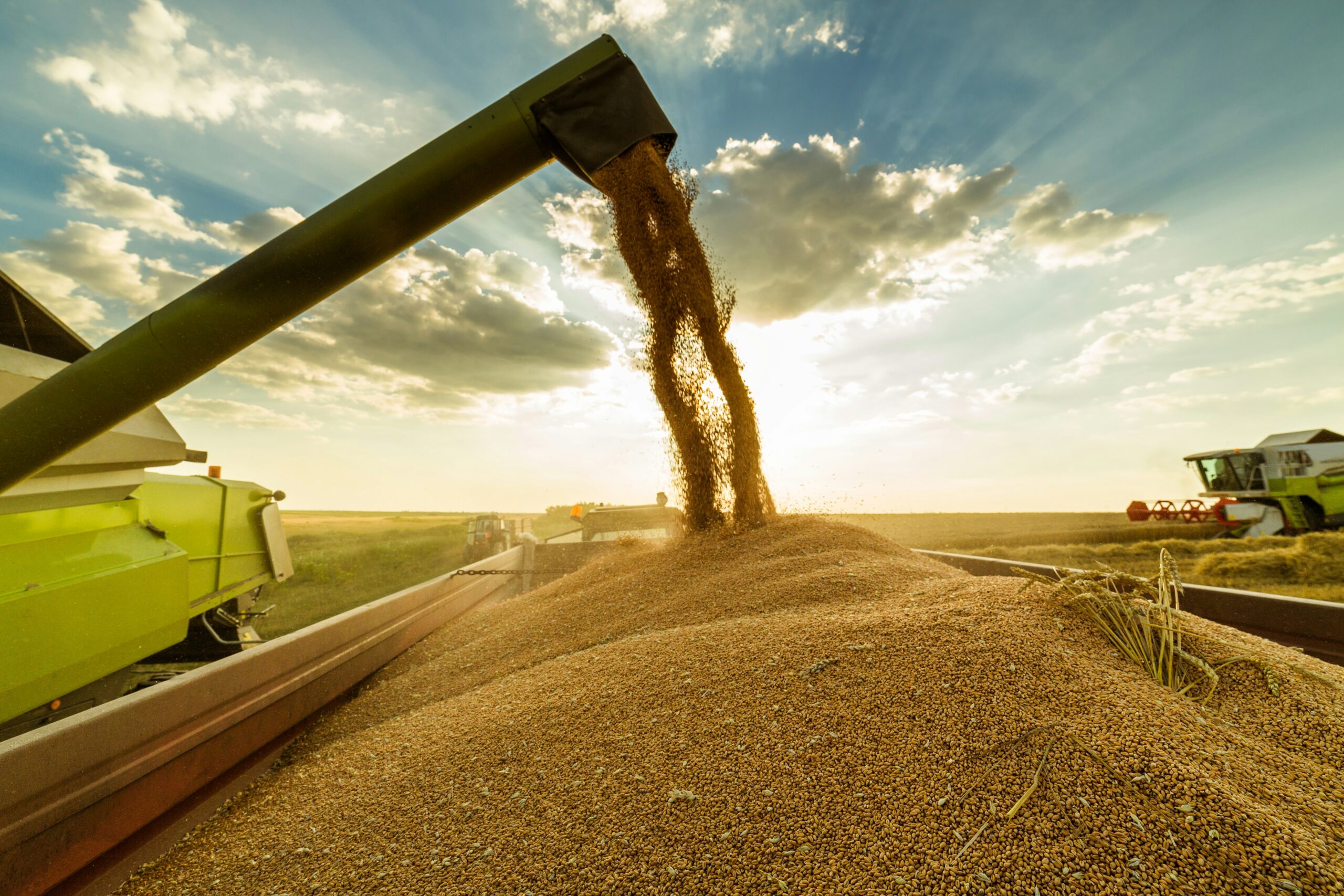
Grains are among the most important agricultural products in the world because they support food systems, livestock production, and international trade. Crops such as wheat, rice, corn, and barley play a major role in feeding billions of people. Therefore, the grain economy connects farmers, businesses, consumers, and governments through a complex but essential process. Understanding this journey helps explain how grain moves from fields to markets and creates economic value.
Moreover, the grain economy is not only about growing crops. It includes every stage involved in producing, handling, storing, processing, and selling grain products. Each step influences the final value of the harvest. As a result, farmers and agricultural businesses must carefully manage production decisions, market conditions, and supply chain activities to achieve long-term success.
The Production Stage Begins With Smart Farming
The journey of grain starts in the field, where farmers make important decisions that influence the quality and quantity of the harvest. Selecting suitable seeds, preparing healthy soil, and managing crops effectively are essential steps in successful grain production. Therefore, modern farmers focus on improving productivity while maintaining responsible farming practices.
Furthermore, technology has changed how farmers produce grain. Modern equipment, improved crop varieties, and better farming techniques allow producers to increase efficiency. Farmers can now monitor field conditions, manage resources carefully, and respond quickly to challenges. As a result, agricultural innovation helps create stronger grain production systems that support both farmers and consumers.
The Importance of Farm Management and Efficiency
Successful grain production requires careful planning and effective management. Farmers must consider weather conditions, soil quality, input costs, and market demand when making decisions. Therefore, efficient farm management plays a major role in determining whether a grain operation becomes profitable or struggles.
Additionally, farmers must balance productivity with sustainability. Using resources wisely helps reduce costs and protects the land for future seasons. For example, proper soil management and responsible water use improve long-term production potential. Consequently, efficient farming practices create stronger foundations for the entire grain economy.
Harvesting and Post-Harvest Handling Add Value
Harvesting is a critical stage because grain quality depends heavily on how it is collected and handled. Farmers must harvest at the right time to maintain grain quality and reduce losses. Therefore, proper timing and careful equipment operation are important factors in protecting the value of the crop.
Moreover, post-harvest activities such as drying, cleaning, and storage have a direct impact on profitability. Poor handling can lead to spoilage, reduced quality, and financial losses. As a result, farmers and storage operators must use effective methods to protect grain after it leaves the field. Good post-harvest management ensures that more of the harvest reaches the market in valuable condition.
Storage Systems Protect Grain Value
Storage is one of the most important parts of the grain economy because it allows producers to maintain supply throughout the year. Without proper storage, large amounts of grain can be damaged by moisture, pests, and changing environmental conditions. Therefore, reliable storage facilities are essential for protecting both food supplies and farmer income.
Furthermore, modern storage systems help farmers make better business decisions. When farmers can safely store grain, they have more flexibility to sell when market conditions are favorable. Consequently, storage becomes more than a protection method; it becomes a tool for improving profitability and market opportunities.
Processing Turns Grain Into Valuable Products
The grain economy extends beyond farming because processing creates additional value. Raw grains are transformed into products used for food, animal feed, and industrial purposes. Therefore, processing facilities play an important role in connecting agricultural production with consumer needs.
In addition, processing improves the usability and market value of grain products. Milling, packaging, and product development allow businesses to create a wide range of goods. As a result, the grain industry supports many economic activities beyond the farm. Processing creates jobs, increases market opportunities, and strengthens the overall agricultural economy.
Transportation and Trade Connect Global Markets
Transportation is a major part of the grain economy because grain often travels long distances before reaching consumers. Efficient transportation systems help move grain from farms to storage facilities, processing plants, and international markets. Therefore, strong logistics networks are necessary for maintaining a stable supply chain.
Moreover, global trade allows countries to exchange grain based on production levels and consumer demand. Some regions produce more grain than they need, while others depend on imports to meet food requirements. Consequently, international trade creates economic connections between agricultural communities around the world. Reliable transportation and trade systems help ensure that grain reaches the places where it is needed most.
Market Prices Influence Farmer Profitability
The profitability of grain production depends greatly on market conditions. Grain prices can change because of weather events, global demand, production levels, and economic factors. Therefore, farmers must understand market trends and make strategic decisions about selling their crops.
Furthermore, access to market information helps farmers improve their financial planning. When producers understand pricing patterns and demand changes, they can make better choices about storage, contracts, and sales timing. As a result, market knowledge becomes a valuable resource for improving income and reducing financial risks.
Technology Is Creating New Opportunities in the Grain Industry
Technology continues to reshape the grain economy by improving efficiency and transparency. Digital platforms, data analysis, and smart farming tools help farmers and businesses make better decisions. As a result, technology is becoming an important factor in increasing productivity and improving connections throughout the supply chain.
Additionally, digital tools help create stronger relationships between producers, buyers, and consumers. Farmers can access market information, track production data, and improve business planning. Consequently, technology allows the grain industry to become more connected and responsive to changing demands.
Sustainability Shapes the Future of the Grain Economy
The future of the grain economy depends on sustainable practices that protect resources while maintaining productivity. Farmers, businesses, and policymakers are focusing more on methods that reduce environmental impact and improve efficiency. Therefore, sustainability has become an important part of long-term agricultural success.
Moreover, sustainable grain production benefits both the environment and the economy. Healthy soil, efficient resource use, and responsible farming methods help create stable production systems. As a result, sustainability supports future generations by ensuring that grain production remains productive and reliable.